Outsourcing Jewelry CAD Design Services: A Buyer's Guide to Hiring the Right Studio
Learn how to outsource jewelry CAD design services and choose the right studio for your needs. This guide covers key factors to evaluate, including design quality, technical expertise, turnaround time, pricing, communication, and production-ready CAD files.
.png)
To hire the right studio for jewelry CAD design services, judge it on its files, not its pictures. Ask for a native file and a photo of a cast piece made from it, compare quotes as cost per approved design across per-piece, project, and retainer pricing, and pick a location for its working hours and enforceable terms as much as its rate. That is the whole method, and the rest of this post is how to run it.
This guide assumes you have already decided to outsource to a studio rather than hire in house or use a freelancer. It is written for the person signing the purchase order, not the person learning CAD for jewelry design.
Judge A CAD Studio's Portfolio By Its Files, Not Its Renders
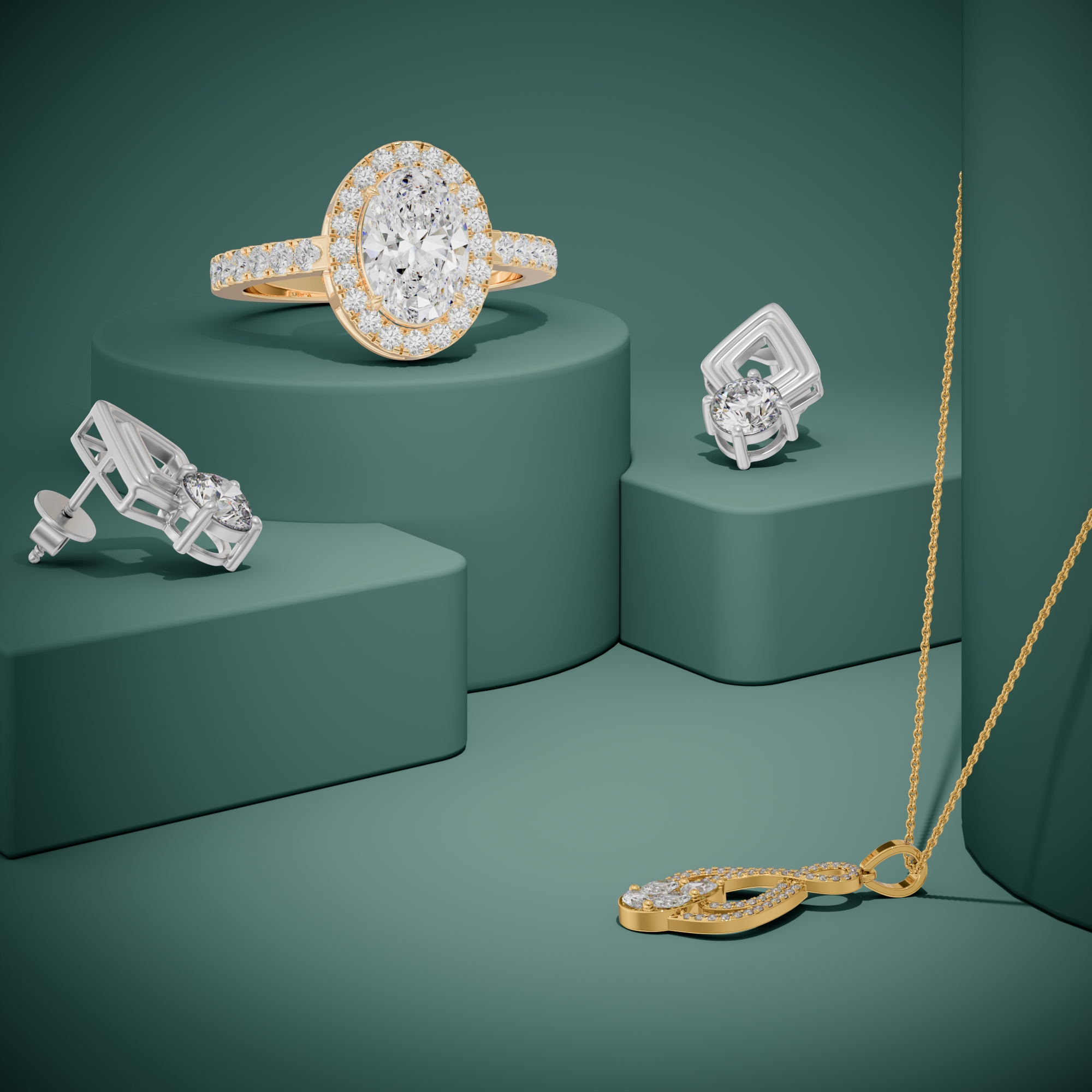
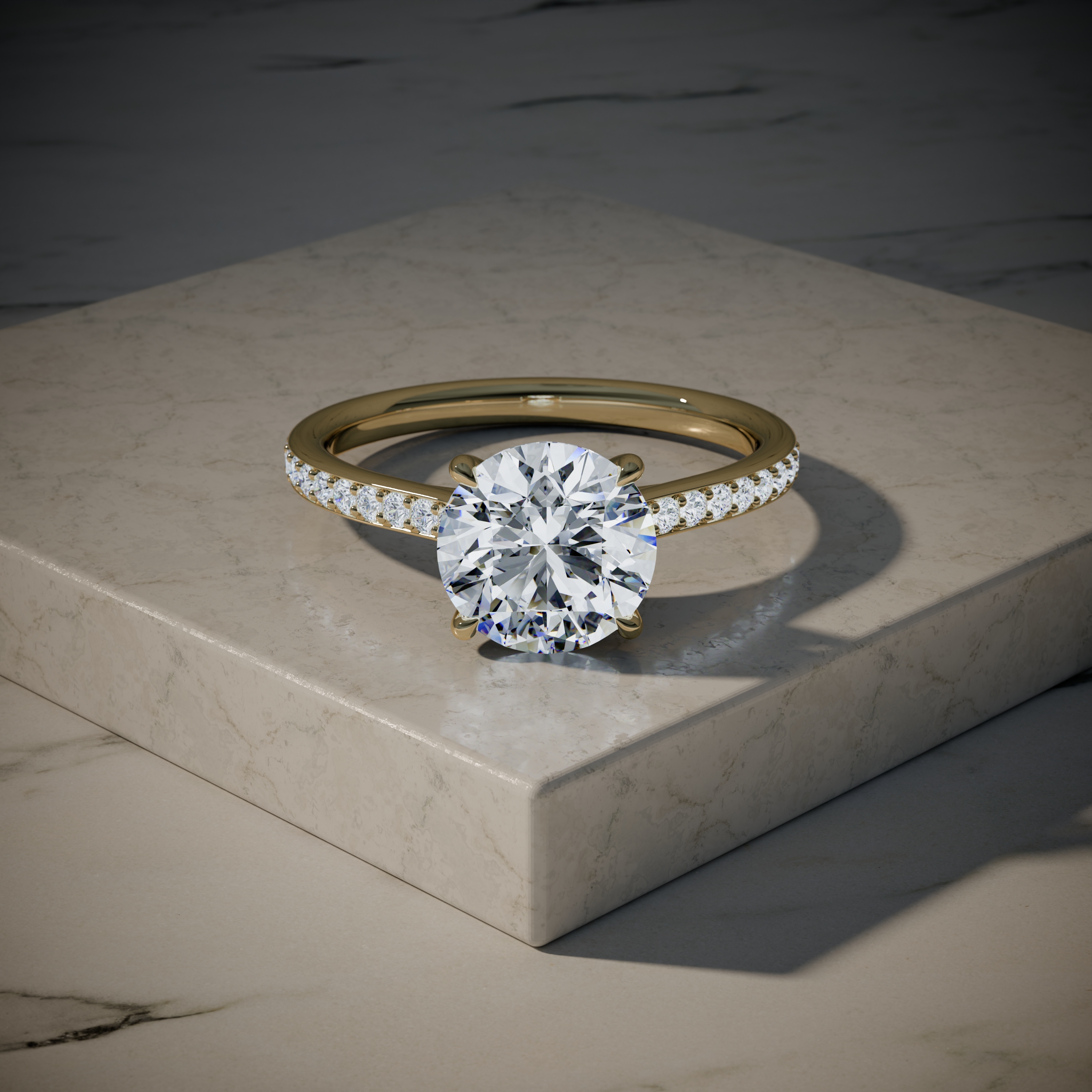
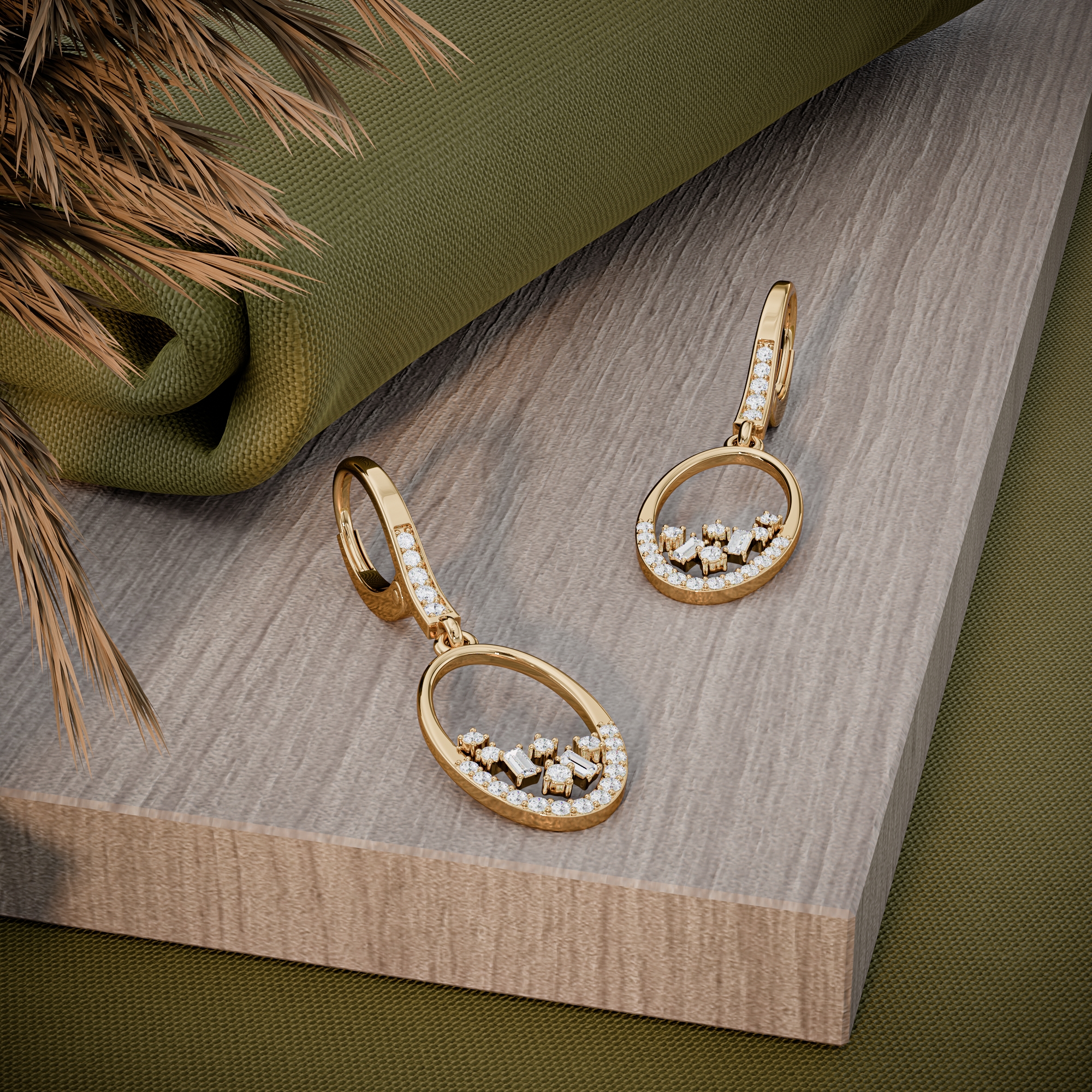
A portfolio of renders proves rendering, not CAD. Studio lighting on a white background flatters any geometry. A wall too thin to cast, a surface left open, or a stone seat that will not hold a stone all look fine in a finished image. We receive CAD files that render cleanly and still need repair before they would survive a caster, so a polished gallery tells you less than it seems to.
Ask every studio on your shortlist for three things:
- Cast proof. Photos of finished metal pieces next to the render of the same file. This is the only part of a portfolio that shows the files went to metal and came out as drawn.
- A sample file. One native file from the studio's own library, such as a 3DM from Rhino or Matrix. Open it, or have your caster open it. Check that the surfaces are closed, the seats are cut to the stones, and the walls and prongs meet the minimums your caster sets.
- Their hardest piece. Variety matters less than whether the studio has built the kind of complexity you sell.
Complexity shows in specific places. Look for these in what the studio sends:
- Pave fields with hundreds of seats, placed and spaced by hand
- Moving parts, such as hinged bangles, articulated earring drops, and box clasps
- Fit-critical pieces, such as bands made to stack against a matching engagement ring
- Size families, one design delivered across ring sizes and stone sizes without remodeling
- Organic or engraved texture, which takes modeling time a bench gets for free
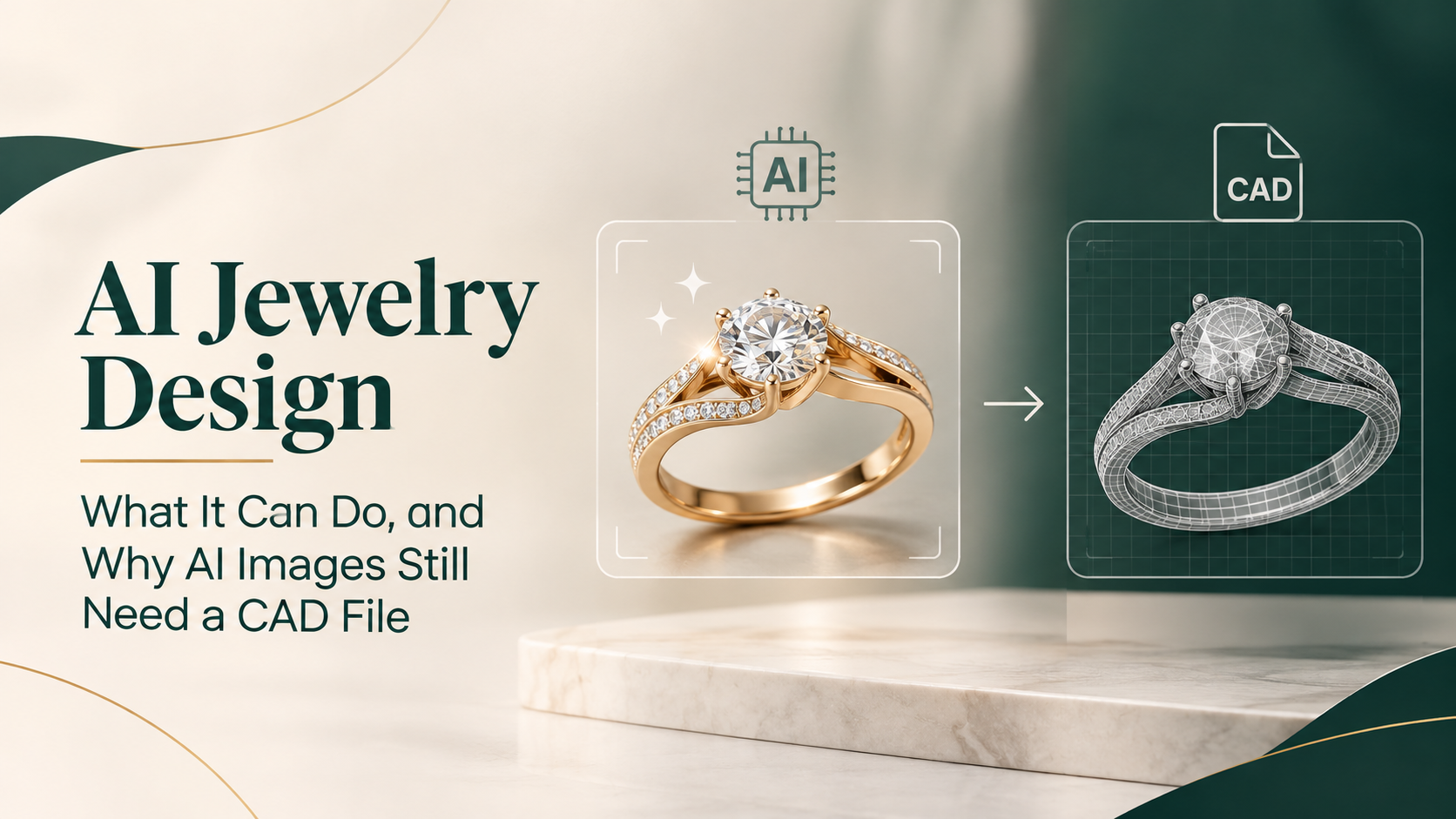
Ask to see gray model or wireframe views as well as finished renders. A studio that is proud of its geometry will show it bare.
Per Piece, Project, Or Retainer: How Jewelry CAD Design Services Charge
The pricing model decides your real cost more than the headline rate does. Few jewelry CAD studios publish a price list at all, so expect to get a quote after you send a brief. What you can control is which model you ask to be quoted on.
|
Model |
How it is charged |
Best fit |
Watch for |
|---|---|---|---|
|
Per piece |
One quote per design, approved before work |
Custom one-offs, uneven volume |
What counts as a revision |
|
Project |
One price for a defined set of designs |
A capsule collection with a launch date |
Scope added after sign-off |
|
Retainer |
A committed fee for capacity or a design count |
A steady pipeline of new designs |
Paying for capacity you do not use |
Published figures are rare, but one US manufacturer prices all three openly on its packages page (checked October 2026). A project package starts at $1,900 for up to three designs converted to CAD files and renderings, with three physical samples. Retainers run $25,000 for made-to-order production work and $50,000 or more for full line development. Those bundle samples and manufacturing, so they are not CAD-only rates. They do show where each model sits.
To compare quotes fairly, work out the cost per approved design. Add the quoted fee, any revisions beyond the included rounds, and any repair your caster charges for a rejected file, then divide by the designs you actually approved. A cheap per-piece quote with heavy rework can cost more than a project fee with counted rounds.
At 3D Jewelry Model, modeling is a separate fee quoted per design when a client has no CAD file. Nothing is charged before you approve the quote. Orders under $500 are due on approval, and larger projects are paid 50 percent upfront and 50 percent on delivery.
Five Questions To Settle Before The First File
Get each answer in writing. The terms matter more than the portfolio once work starts.
- What counts as a revision? A change to the brief is new work. A fix to something the studio got wrong is not. Ask how many rounds are included and what the next one costs.
- What do you hand over? The native file and a neutral export such as STEP or STL. A studio that sends only an STL has sold you a mesh you cannot easily edit.
- Who owns the file? Paying for a model does not by itself transfer the copyright in the US. Ask for a written assignment, and read who owns a commissioned CAD file before you sign.
- What does your turnaround guarantee actually promise? "Overnight jewelry CAD design" can mean many things. Ask when the clock starts (on upload, or on brief approval), whose business days count, and what you get back if a date is missed.
- Who checks the file before I see it? Someone other than the modeler should open it, measure it, and confirm it matches the brief.
What A Cross-Border CAD Brief Needs On Top Of The Usual
Most of a good brief is the same wherever the studio sits: reference views, stone sizes and counts, metal, finished dimensions, and the caster's limits. What a CAD designer needs from you at each stage covers that in full. Hiring internationally adds a few lines that a local studio would assume.
- Ring size as a measurement. The US, the UK, mainland Europe, and India each use a different ring size scale. State the inner diameter in millimeters, and name the scale your size came from.
- Units throughout. Millimeters for every dimension, including stone sizes and band width.
- Karat and alloy color. Write 14k white or 18k yellow rather than "gold". Karat changes the weight of the casting, which matters if weight is a cost limit.
- The caster's name. A studio that knows who will grow and cast the file can design to that shop's limits instead of generic ones.
- What the file is for after casting. If the same file will become your product images, say so. A file with stones as separate objects and named metal parts goes straight to CAD jewelry design and rendering without cleanup.
CAD Design Services In India Or Abroad: What Changes Besides The Rate
Rate is the obvious difference, and the hardest one to compare honestly. No published source gives a like-for-like CAD price by country, so the only fair test is to send the same brief to an Indian studio and an international one and compare the quotes as cost per approved design.
The rest of the difference is practical:
- Time zone. India Standard Time is UTC+5:30 with no daylight saving. That is 9.5 hours ahead of New York in summer and 10.5 in winter, and 4.5 hours ahead of London in summer. Notes sent at the end of a US working day can come back by the next morning, which is what most "overnight" offers rely on. The cost is a narrow window for live calls.
- Payment. Ask which methods the studio takes and who pays the transfer fees. We take cards, PayPal, and wire transfer, and any international studio should name its own methods before you approve a quote.
- Enforceable terms. Ask which country's law governs the NDA and the assignment, and where you would have to bring a claim. A contract you cannot enforce is a courtesy, not a protection.
- Physical proof. You cannot walk into the workshop and hold a casting. Cast proof and a sample file carry more weight when the studio is far away.
We work from Surat, Gujarat, and every file reaches us by upload, the same arrangement as any studio abroad. An NDA is signed before any file is opened, the client keeps ownership of the design, and white-label delivery is available. Those are the terms to ask any international provider to match in writing.
When An Outside CAD Studio Is The Wrong Hire
Outsourcing is not always the right call, and three situations argue against it.
Your caster already has CAD in house. Keeping design and casting with one company gives you one party to hold responsible when a piece does not fit. Split them, and a fit problem becomes an argument between two vendors about whose file or whose casting was wrong.
You design live, every day. If your process is a designer and a modeler working through changes on a call, a studio 10 hours away will slow you down. Hire locally or bring the skill in house.
CAD is the main thing you are buying. We are a rendering studio first. Modeling is an add-on we quote when a client has no file, and we do not publish a modeling price or turnaround. If your purchase is a pipeline of manufacturing files, shortlist studios that lead with CAD, and send us the finished files for images.
Shortlist Three Studios And Send Them The Same Brief
Pick three jewelry CAD design services whose cast proof matches the complexity you sell. Send each one the identical brief and ask for a quote under the pricing model you plan to use. Compare the answers to the five questions as closely as the prices, and pay for one real piece from your top choice before committing to a project or retainer.
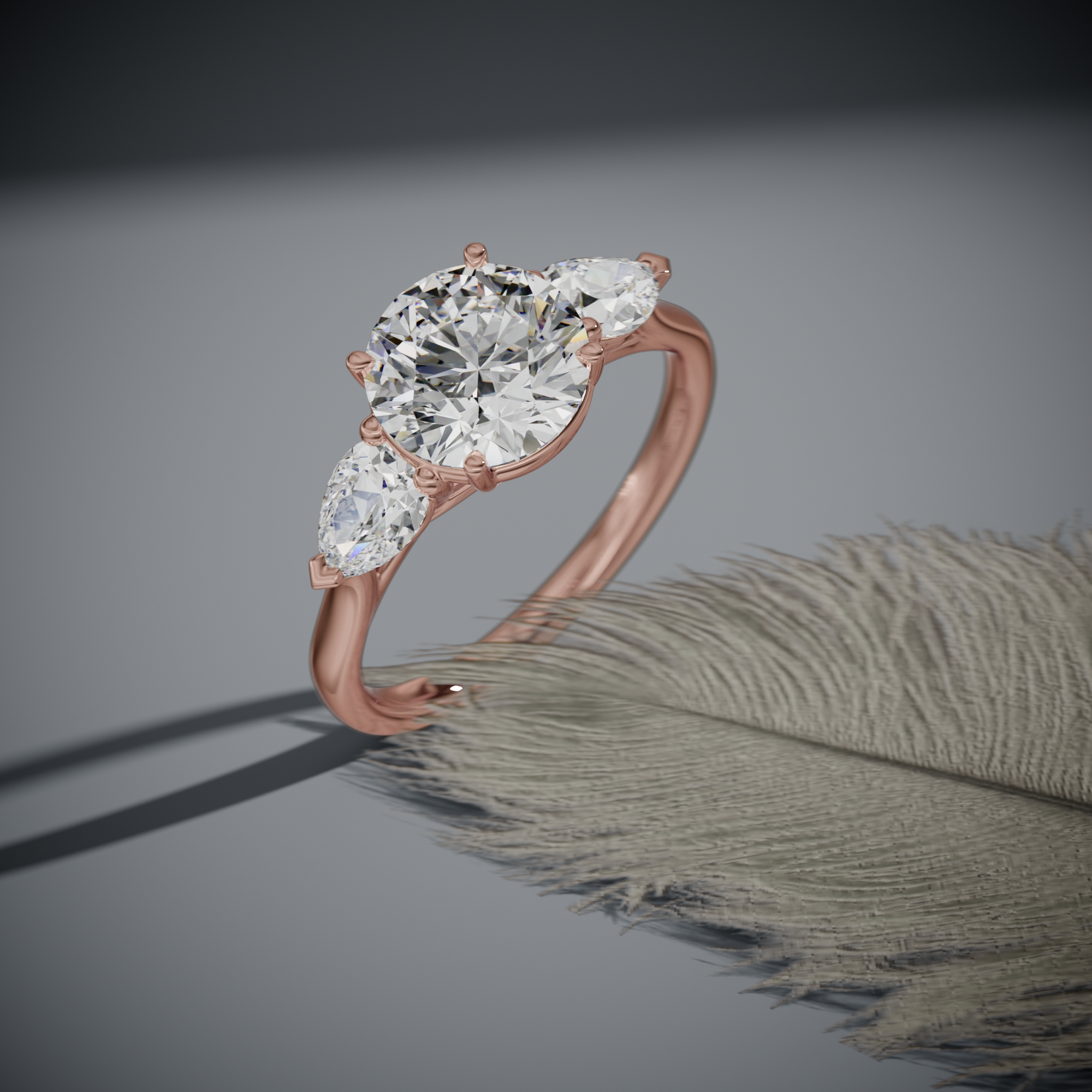
When that file comes back, render it before you sign anything larger. A macro render shows uneven prongs, rough seats, and faceted curves from a poor export that a small preview hides. It will not measure a wall, so keep your caster's check as well. We will render one CAD file as a free sample, at full quality and with no payment details asked, which makes it a cheap second opinion on the studio you are about to hire.
Curious how this works in practice? See the process, browse the portfolio, check pricing, or see all jewelry rendering services.