



Ray Tracing
Also called raytracing, path tracing
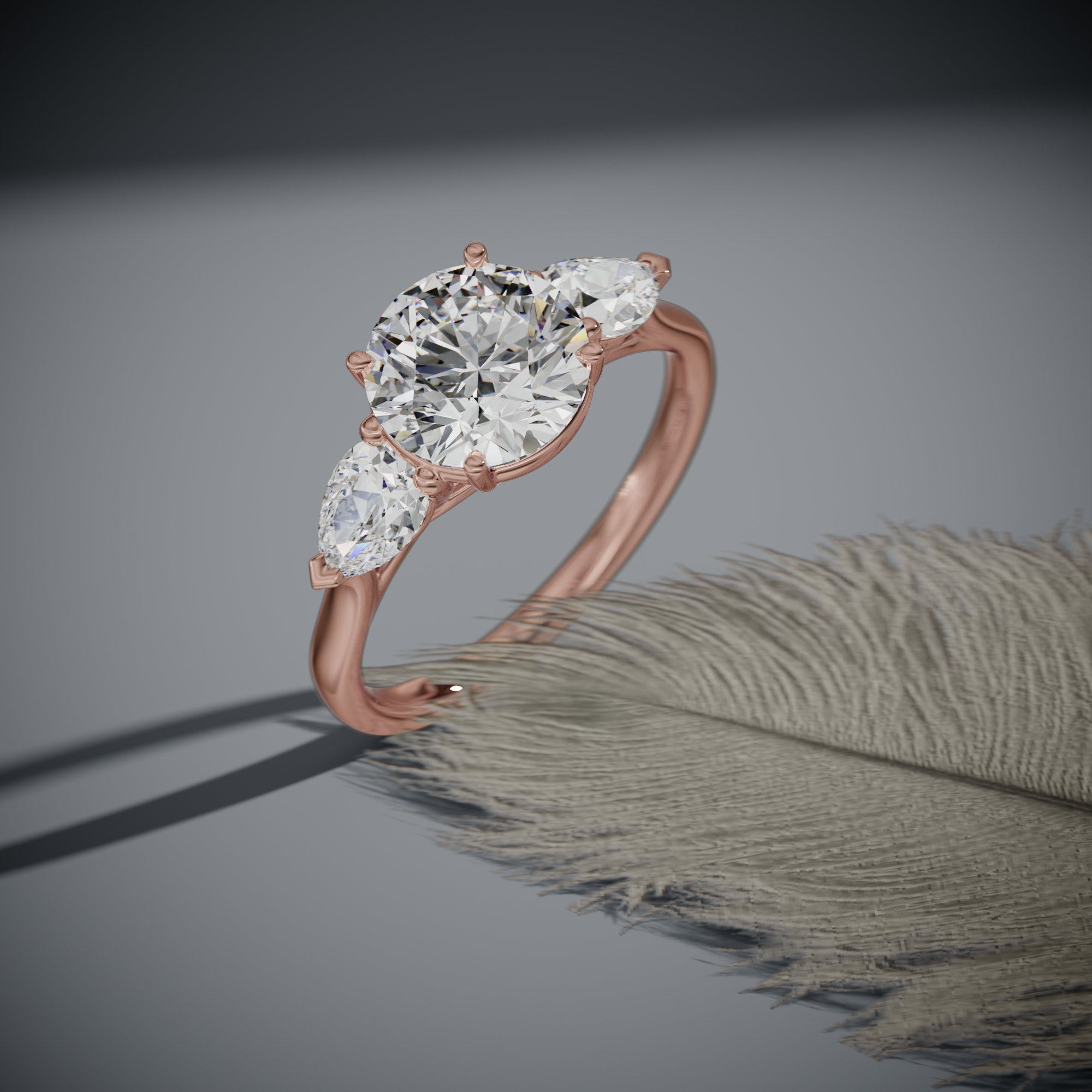
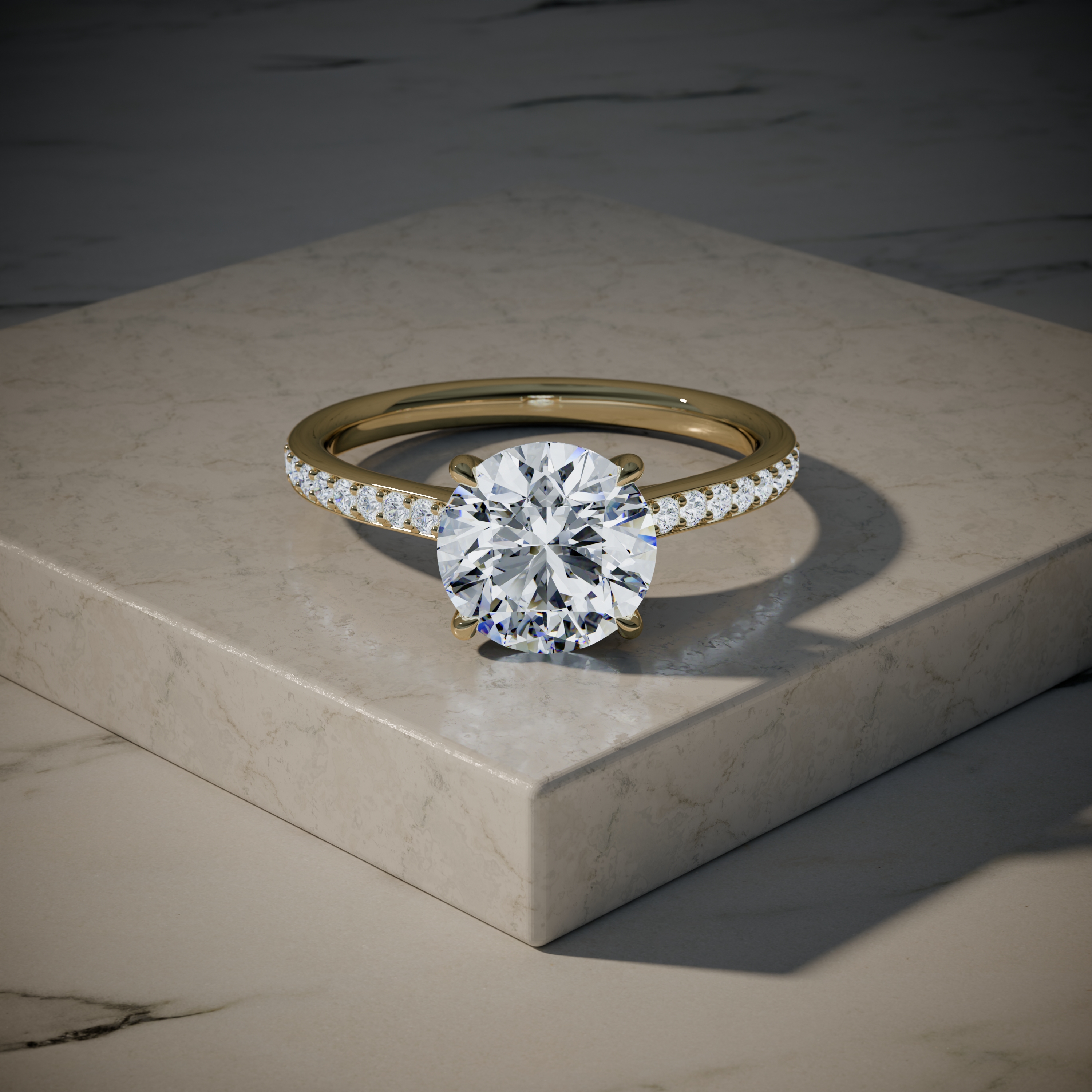
Ray tracing is a rendering method that follows individual rays of light through a scene, calculating how each one reflects, bends, and scatters before it reaches the camera. It produces accurate shadows, reflections, and refraction, which is what makes metal and gemstones look real.
In other words, the software simulates how light actually travels instead of guessing at the result, so reflections and sparkle fall where physics puts them.
How it works
The renderer sends a ray out from the camera through every pixel of the image and follows it into the scene. When the ray hits a surface it does what light would do: bounce off polished gold, pass into a diamond and bend, split into colours, bounce again.
Each ray gets traced through many bounces before its colour is decided. Do that for millions of pixels and you get an image built from simulated light rather than painted shading.
Why jewelry needs it
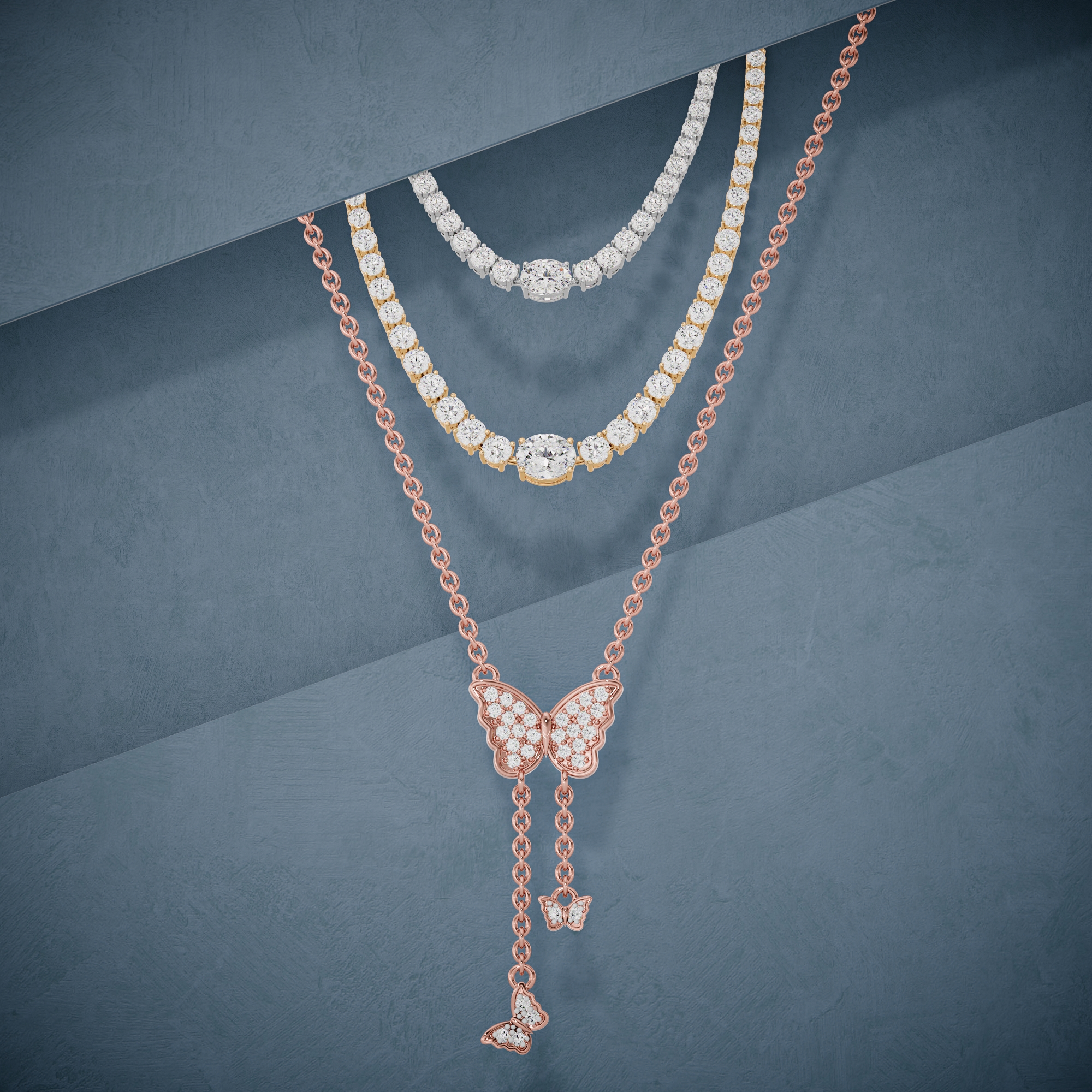
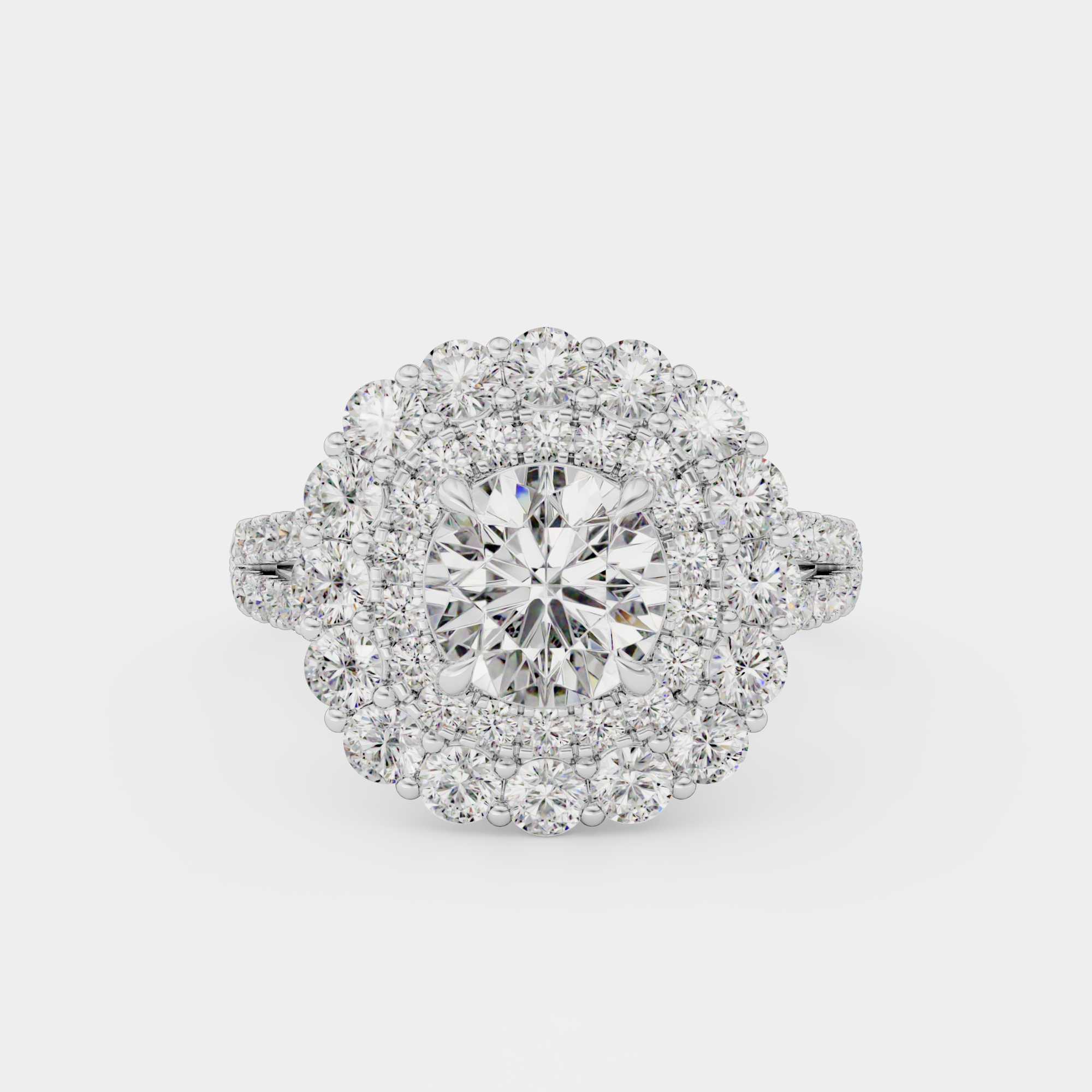
Jewelry is the hardest case for a renderer, because it is almost entirely reflection and refraction. There is very little plain surface to fall back on. A gold band shows the room around it. A brilliant cut diamond returns light through dozens of internal bounces.
Faster shading methods approximate all that, and on jewelry the approximation is obvious: dead stones, flat metal, sparkle that sits in the wrong places. Ray tracing is what puts the fire back into a stone and the depth back into a polished shank.
It costs render time, which is the tradeoff. That time is why studio hardware and a render farm matter to your turnaround.
Questions about Ray Tracing
Is ray tracing needed for jewelry renders?
For photorealistic results, yes. Jewelry is mostly reflection and refraction, and cheaper shading methods cannot reproduce how light behaves inside a gemstone or across polished metal.
What is the difference between ray tracing and rasterisation?
Rasterisation draws surfaces quickly and estimates lighting, which suits games. Ray tracing simulates the light itself, which is slower but far more accurate for reflective and transparent materials.