Photorealistic Rendering
Also called photoreal rendering, photorealistic 3D rendering, CGI product imagery
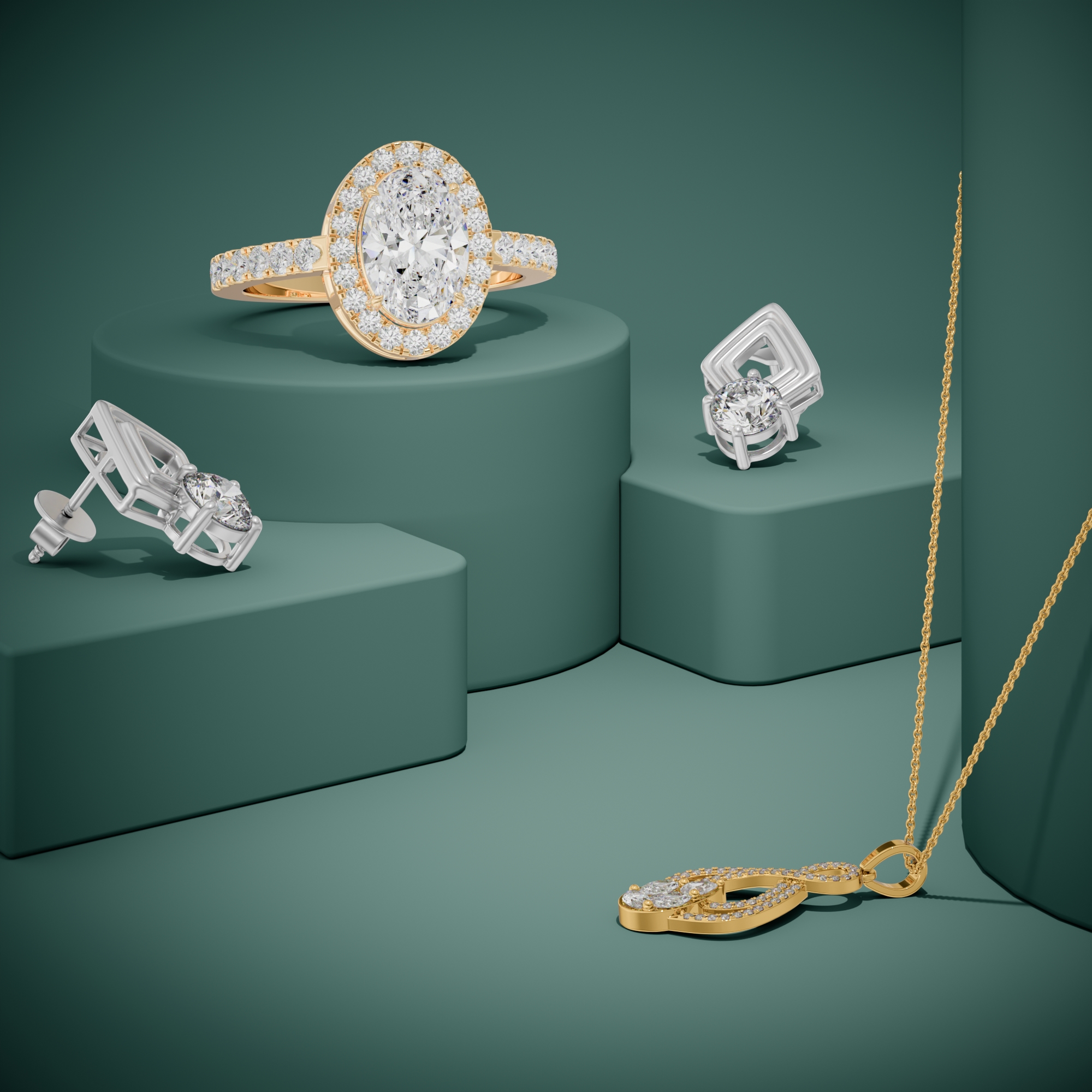
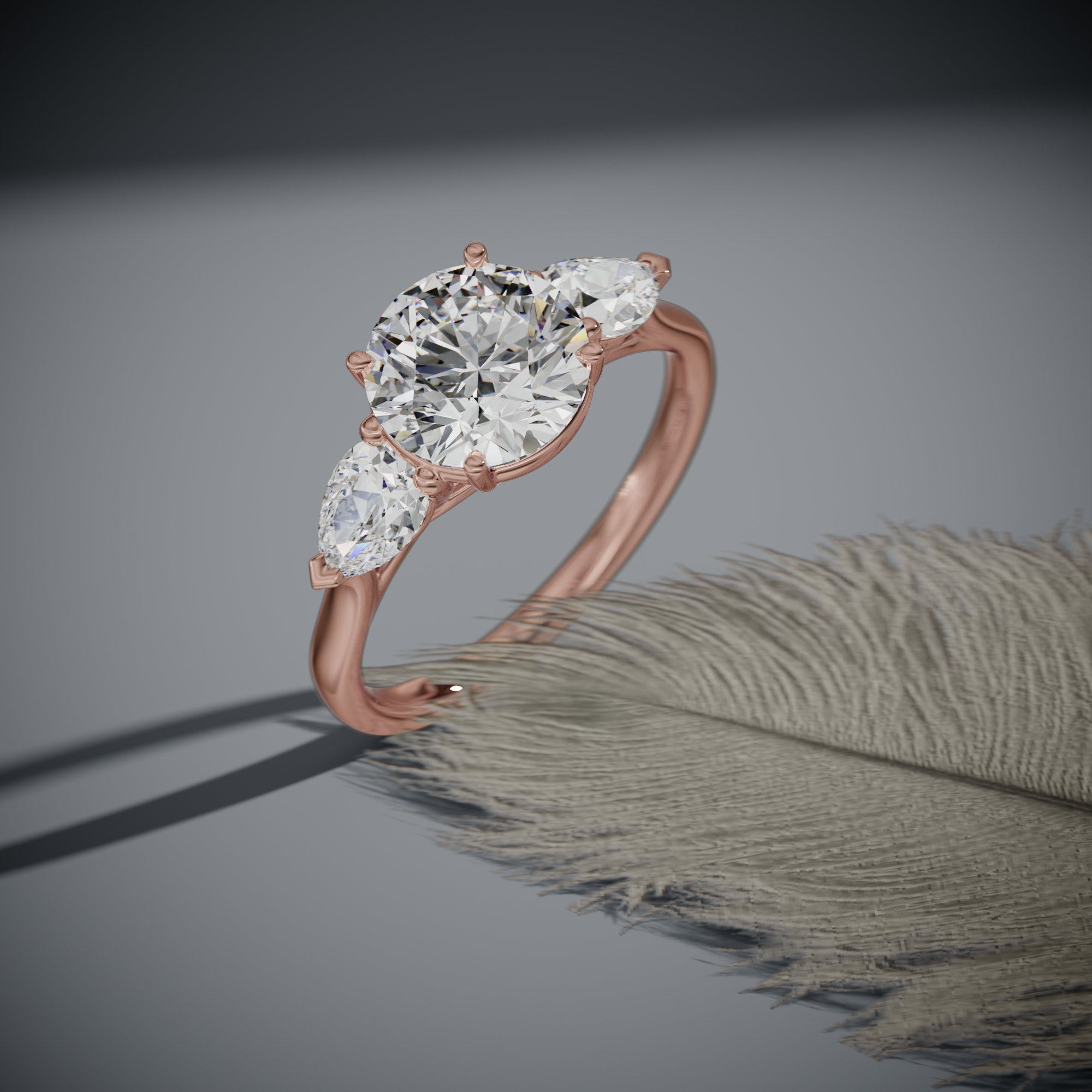
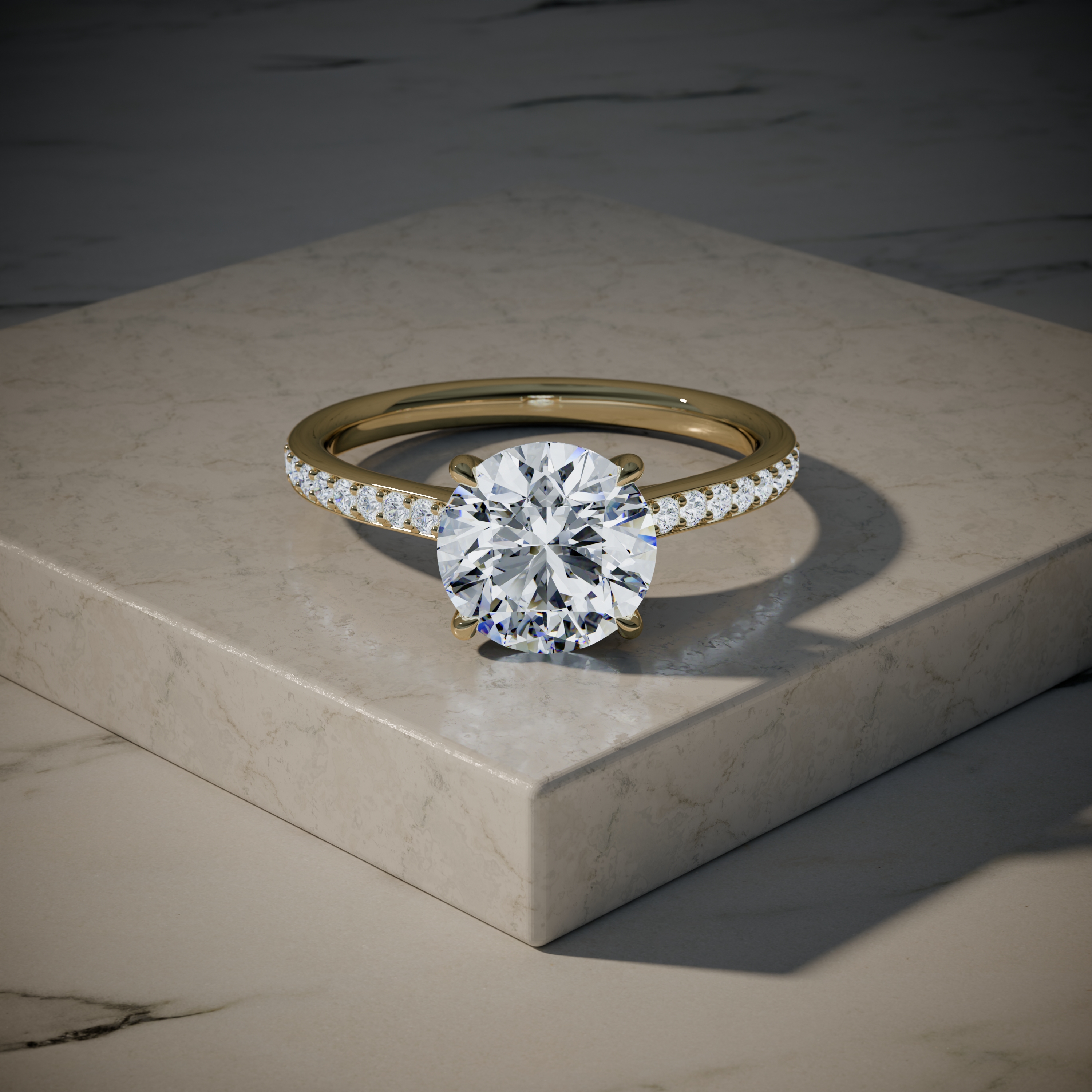
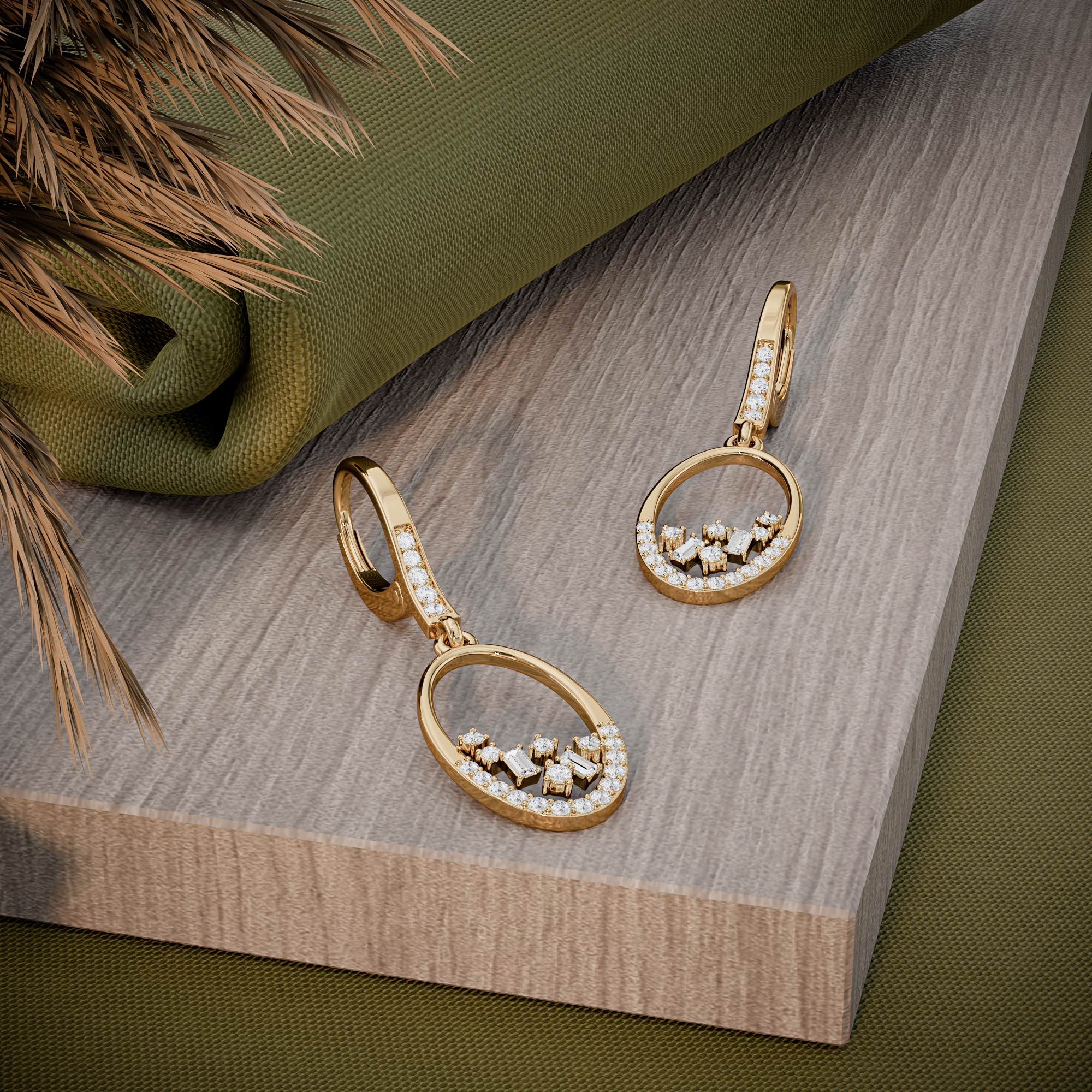
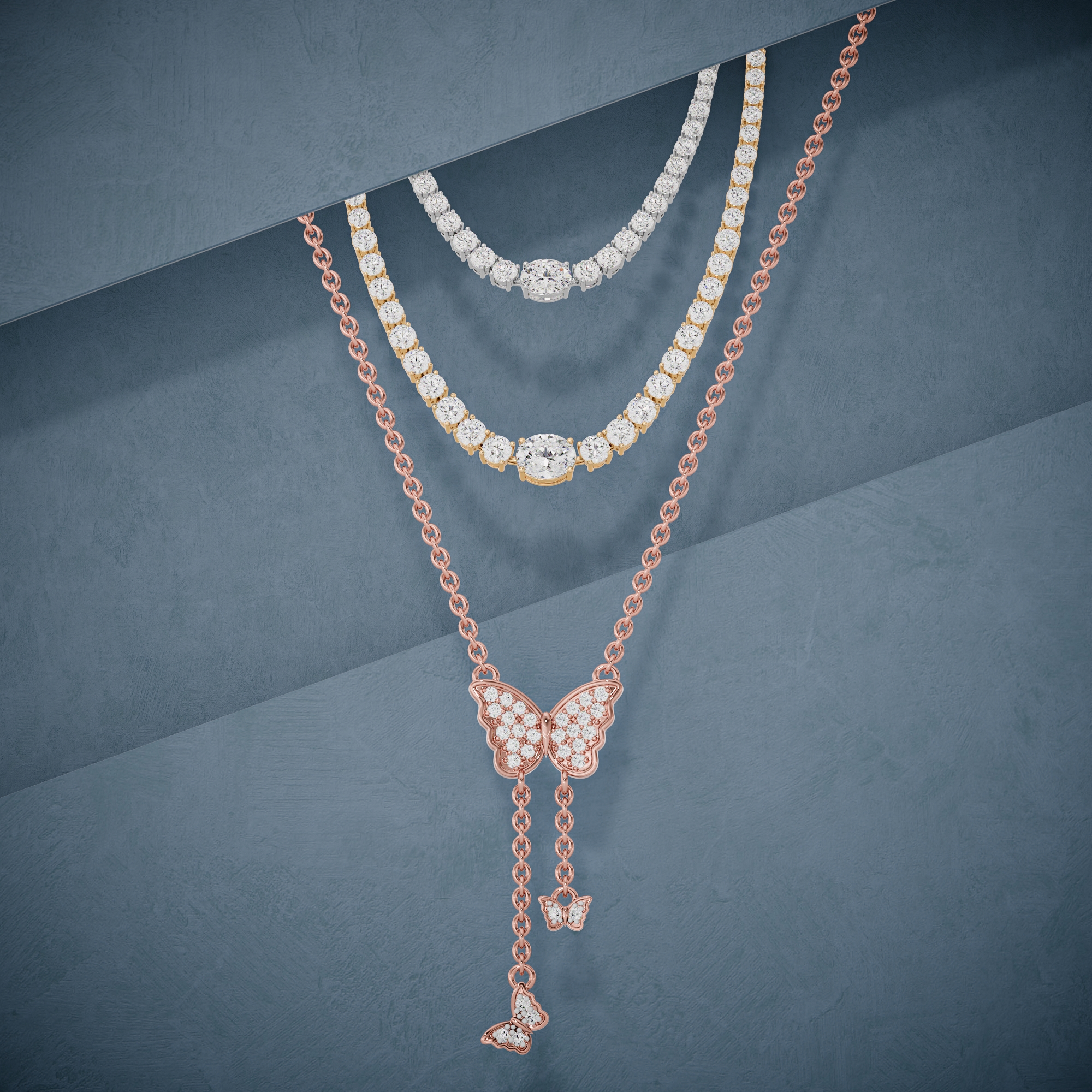
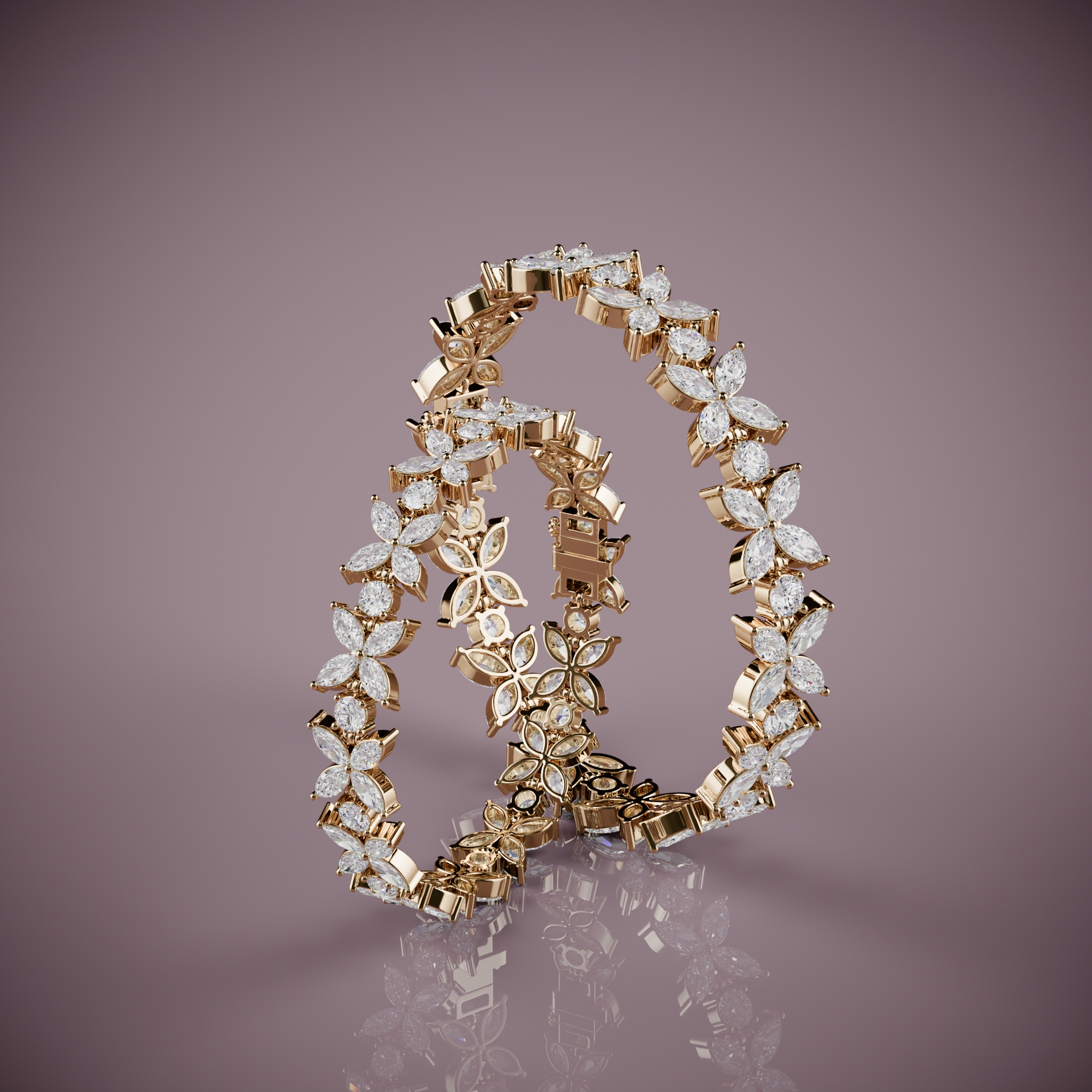
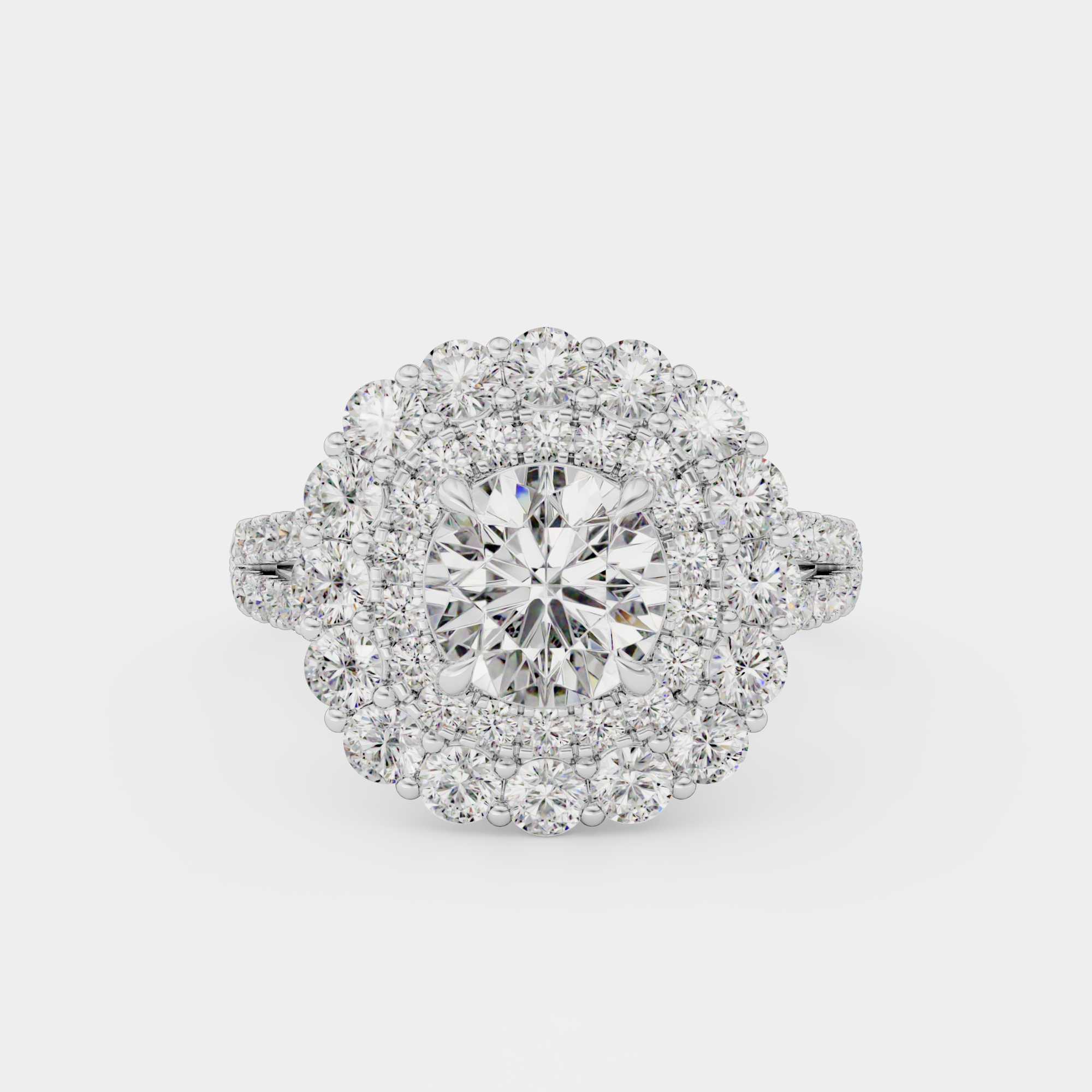
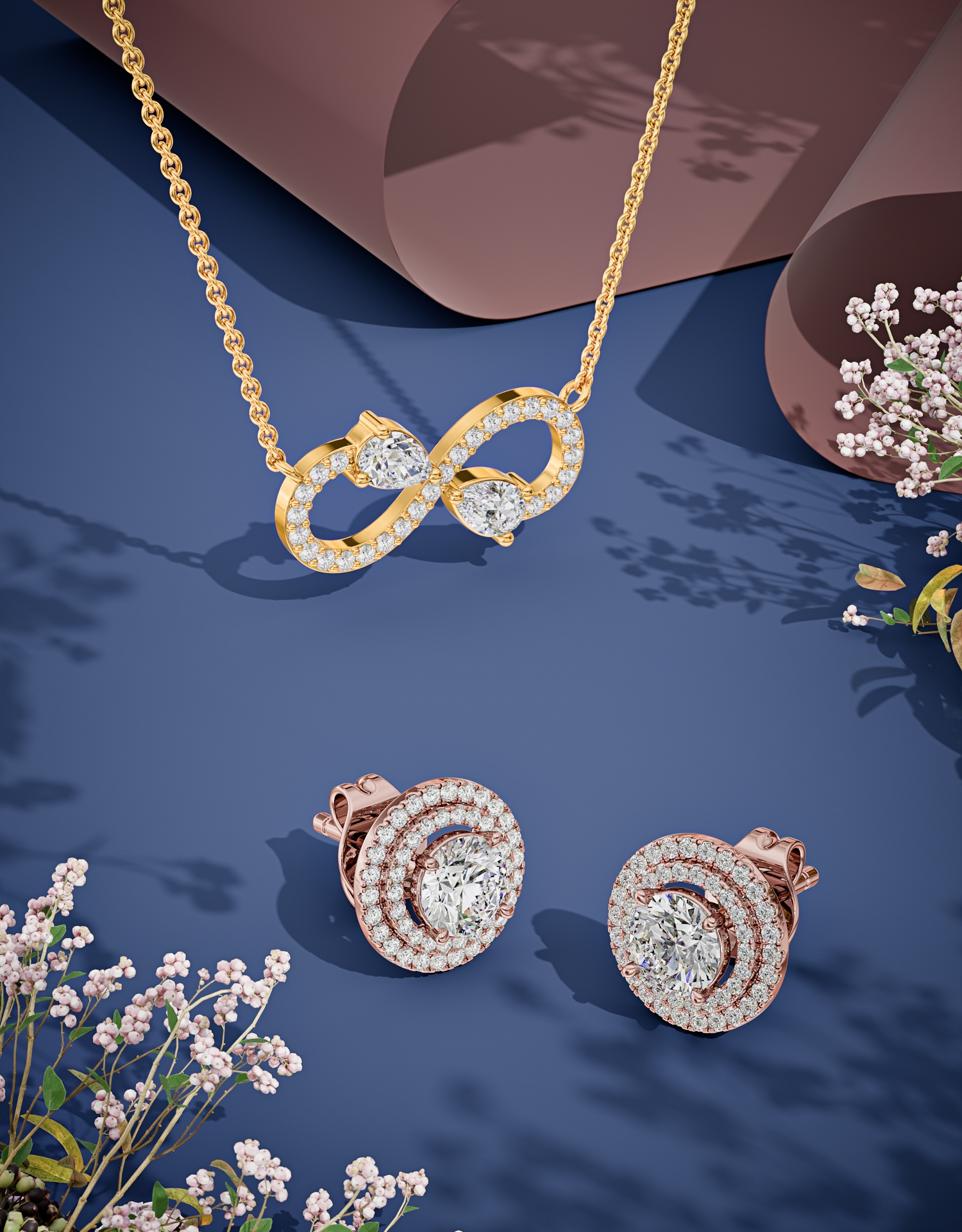
Photorealistic rendering is the process of turning a 3D model into an image that reads as a photograph rather than a computer drawing. It uses simulated light, physically accurate materials, and camera behaviour so that metal, stones, and shadows respond the way they do in a real studio.
In other words, the computer builds a photograph of something that was never photographed, close enough that a customer cannot tell the difference.
What makes a render photorealistic
Three things have to be right at once. The geometry has to be accurate, so proportions match a real piece. The materials have to behave physically, so gold reflects like gold and a diamond refracts like a diamond. And the lighting has to be a real studio setup rather than a lamp pointed at the object.
Get one of those wrong and the eye catches it straight away, even if the viewer cannot say why. A perfect model under bad lighting still looks like CGI.
- Accurate geometry, with true metal thickness and stone sizes
- Physical materials, tuned per metal colour and per stone type
- Studio lighting, usually driven by an HDRI environment
- Ray traced light, with bounced light included
- Camera settings: focal length, depth of field, and framing that match product photography
Why jewelry sellers use it instead of photography
You need product images before you have a product. Photography needs a finished piece, which means casting, setting, and finishing something you have not sold yet. Rendering needs only the CAD file.
It is also consistent. Every image sits on the same white background with the same lighting, so a collection of forty listings looks like one catalogue instead of forty different shoots. And a metal change is a material swap, not a second sample.
That is the point of delivering 9 HD images and 3 videos from one file, in rose, white, and yellow gold. One design becomes three listings without three castings.
What you get from us
Send a CAD file in 3DM, STL, OBJ, or STEP and tell us the metal, the stone types, and the sizes. We sign an NDA before your files are opened.
Back comes 9 HD images and 3 videos per file, in the three gold colours, on a white background and ready to load straight onto a product page or a marketplace listing. Standard turnaround is 24 to 48 hours, and two revision rounds are included.
Pricing is one flat $15 per CAD file, a launch offer against the regular $30. No per-image charges and no tiering by complexity.
Questions about Photorealistic Rendering
Are photorealistic renders good enough to sell from?
Yes. They are used as the main product images on ecommerce stores and marketplace listings every day. Delivery is on a white background, sized and ready for a product page.
Can a customer tell a render from a photo?
Usually not, when the model is accurate and the materials are set up properly. What gives a render away is nearly always wrong proportions or lazy lighting, not the technique itself.
How much does a photorealistic jewelry render cost?
One flat $15 per CAD file, a launch offer against the regular $30. That covers 9 HD images and 3 videos in rose, white, and yellow gold, with two revision rounds.