Brilliance
Also called light return, brightness
Brilliance is the white light a diamond or gemstone returns to the eye after bouncing around inside it. It comes mostly from how well the pavilion facets are angled, which is why cut quality affects brilliance more than any other factor.
What makes a stone bright
Light that enters the crown should hit the pavilion facets at an angle steep enough to reflect back up and out of the table. When the pavilion is cut too shallow or too deep, light passes through the bottom instead and is lost.
Brilliance is usually described alongside two other effects: fire, the coloured flashes, and scintillation, the twinkle you see as the stone moves. Brilliance is the plain white component underneath both.
Why renders have to earn it
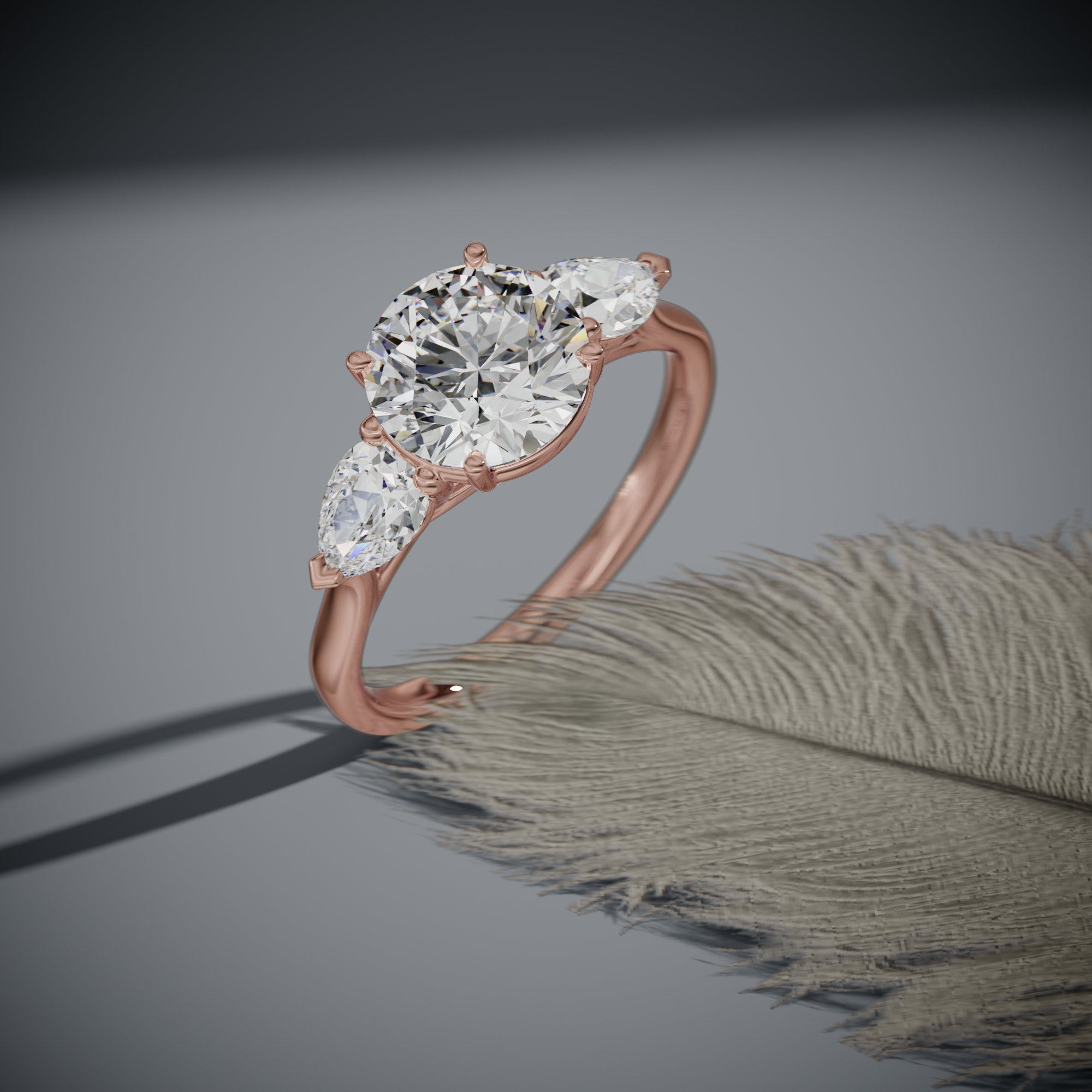
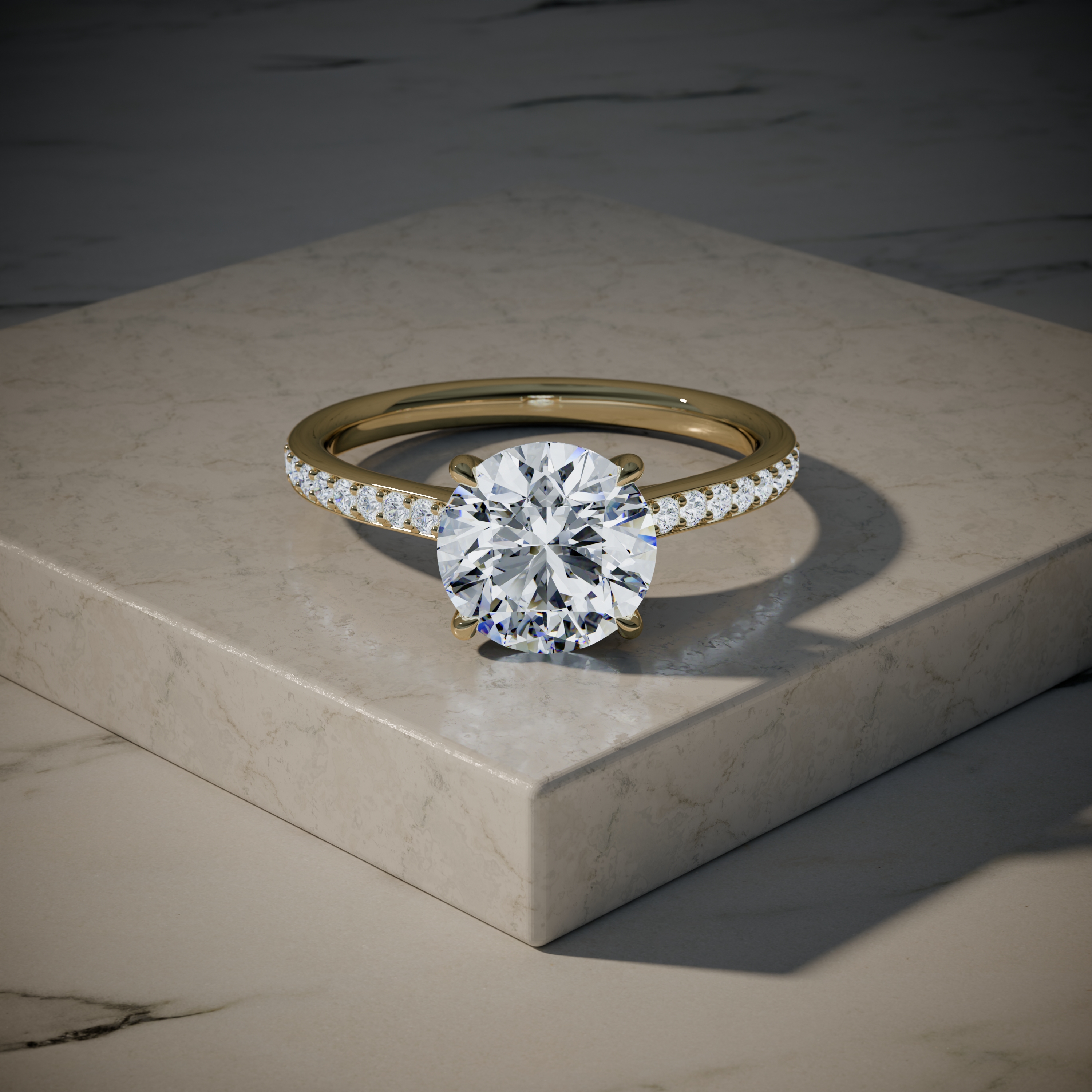
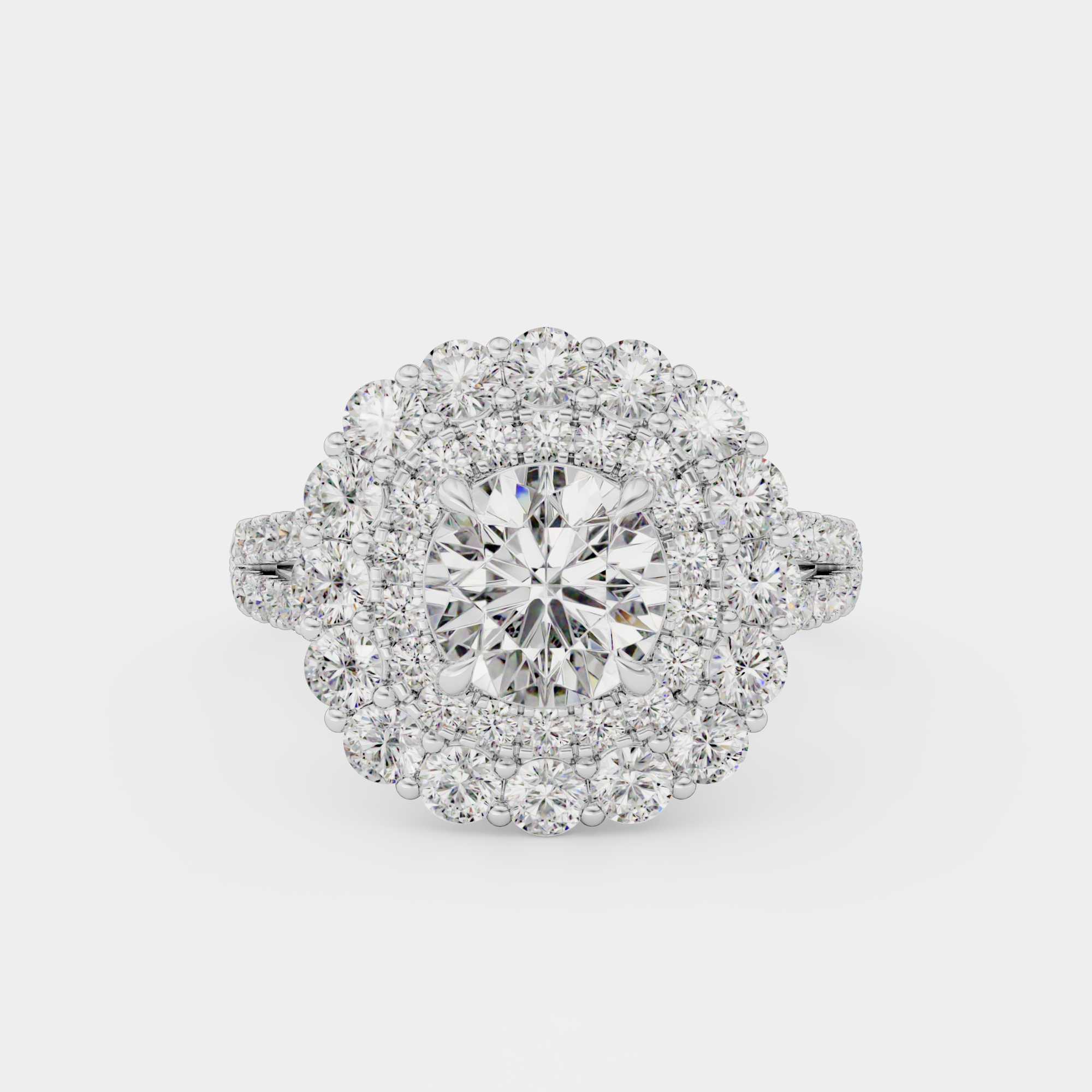
You cannot fake brilliance by making a stone brighter in editing. What reads as a real diamond is the pattern: dark facets next to bright ones, shifting as the angle changes. A uniformly bright stone looks like plastic.
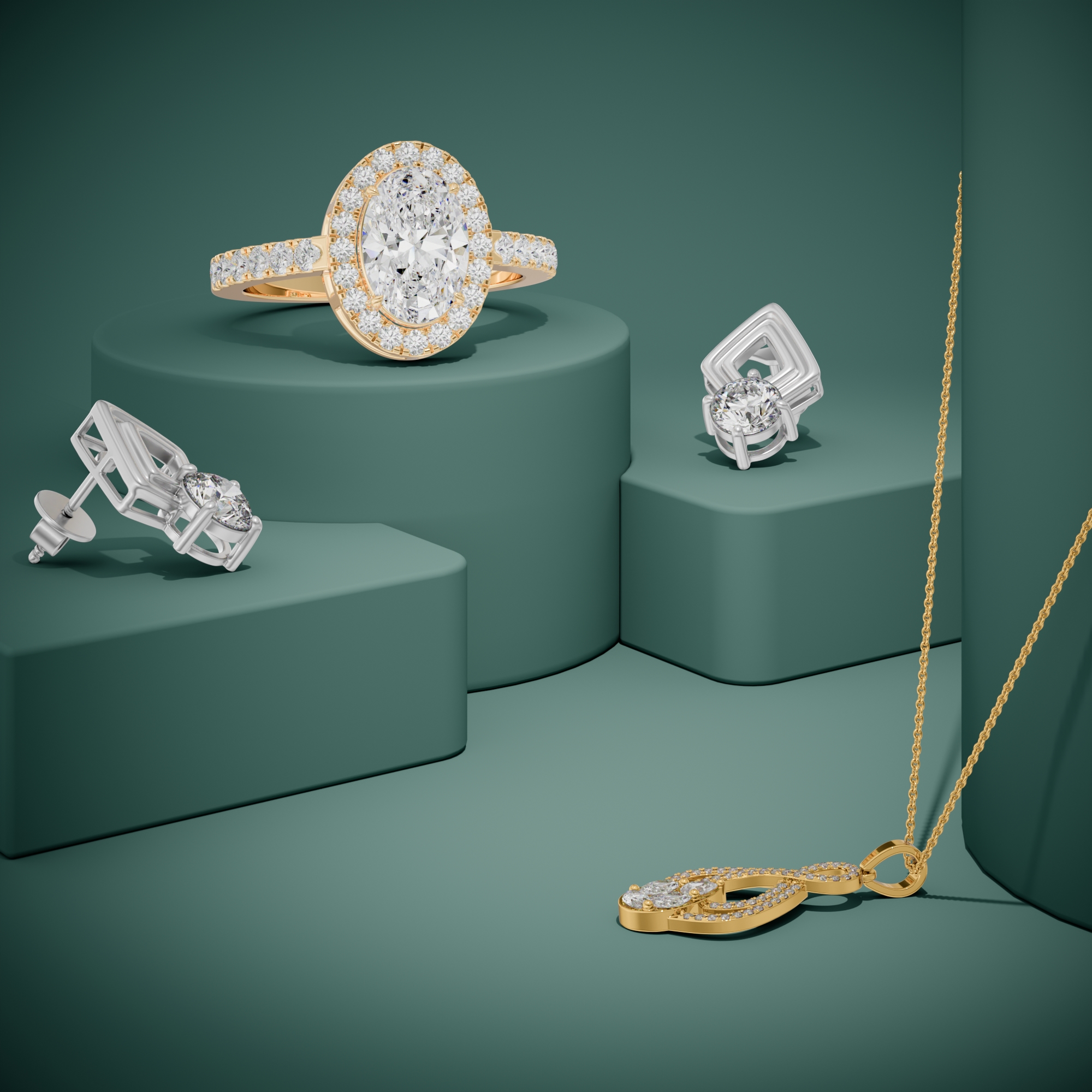
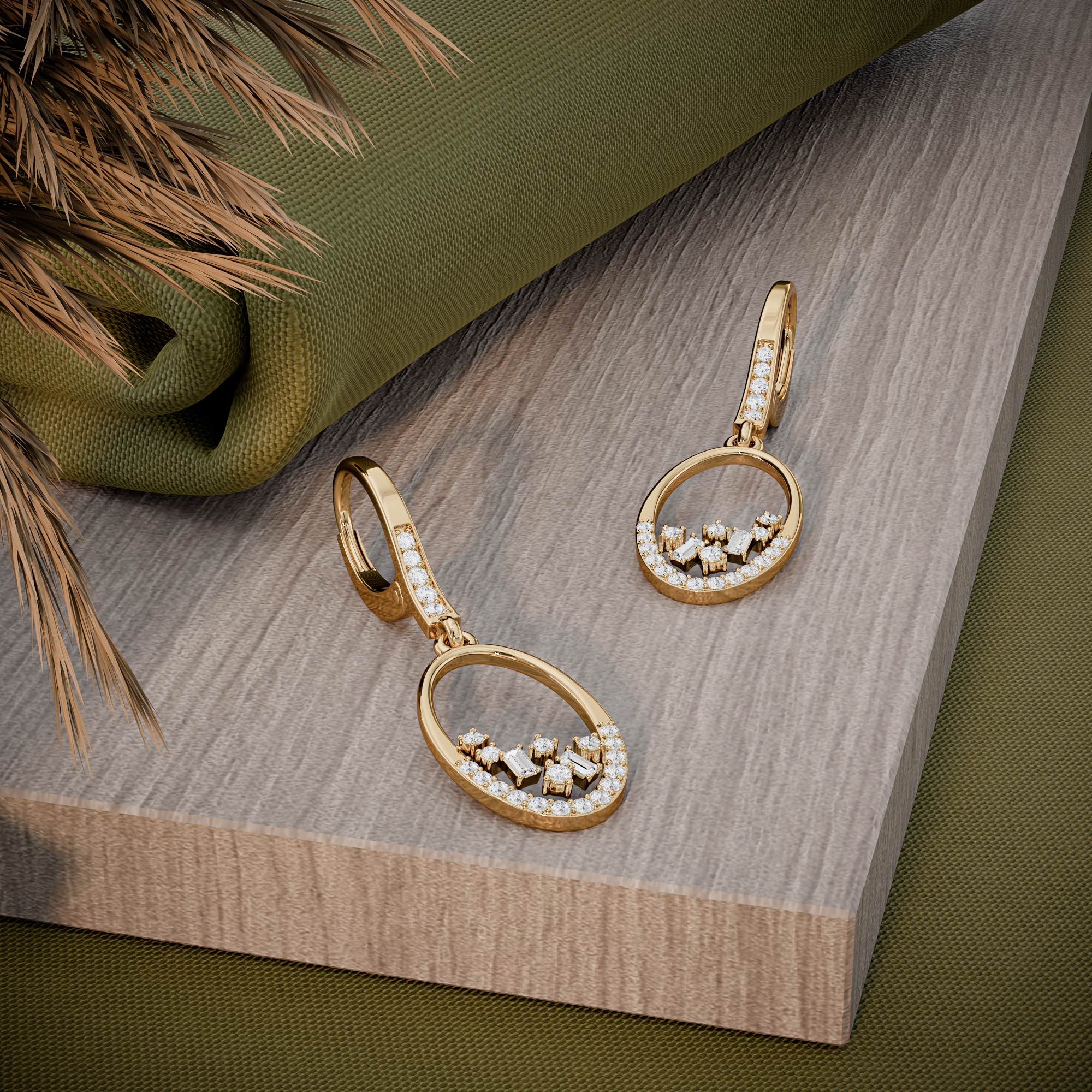
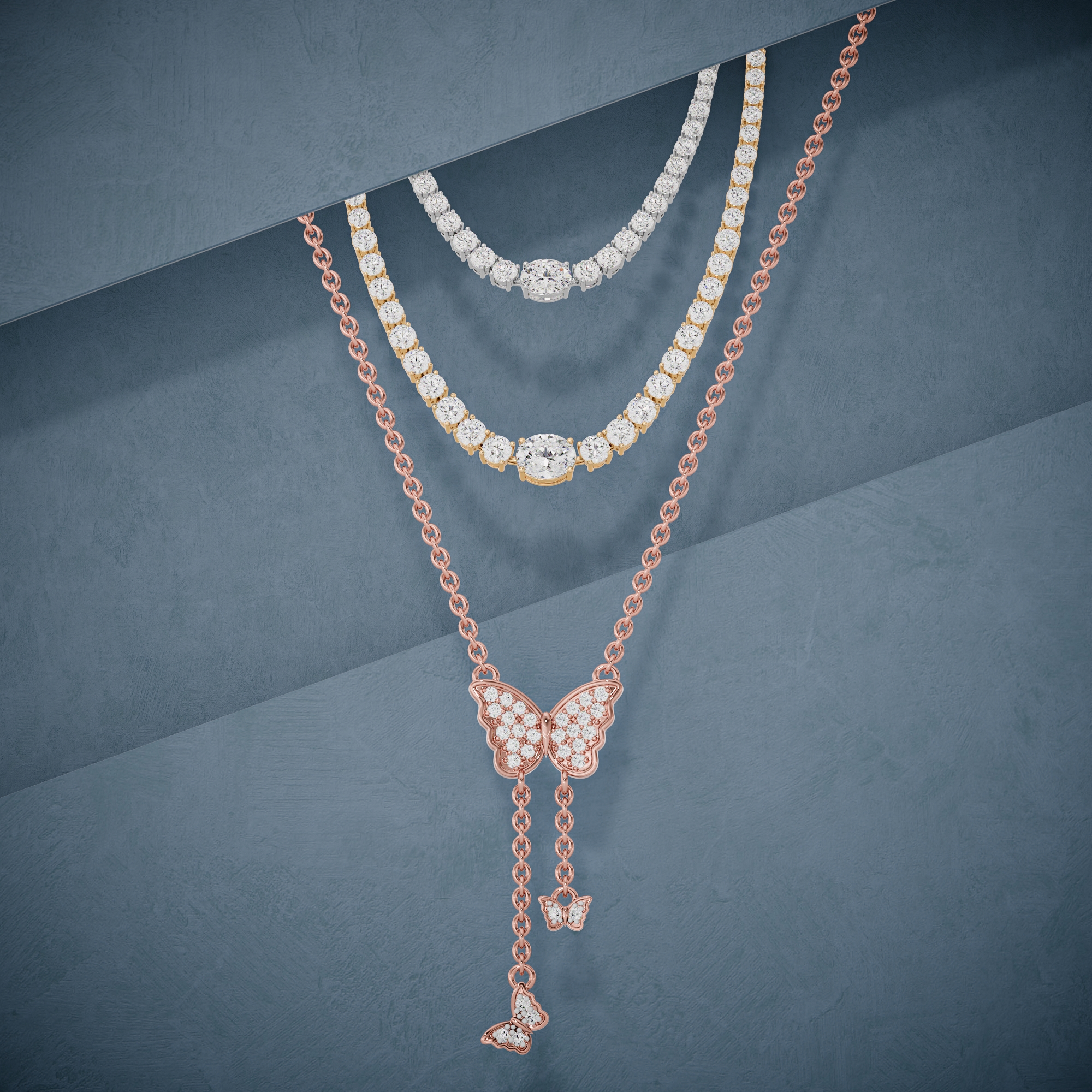
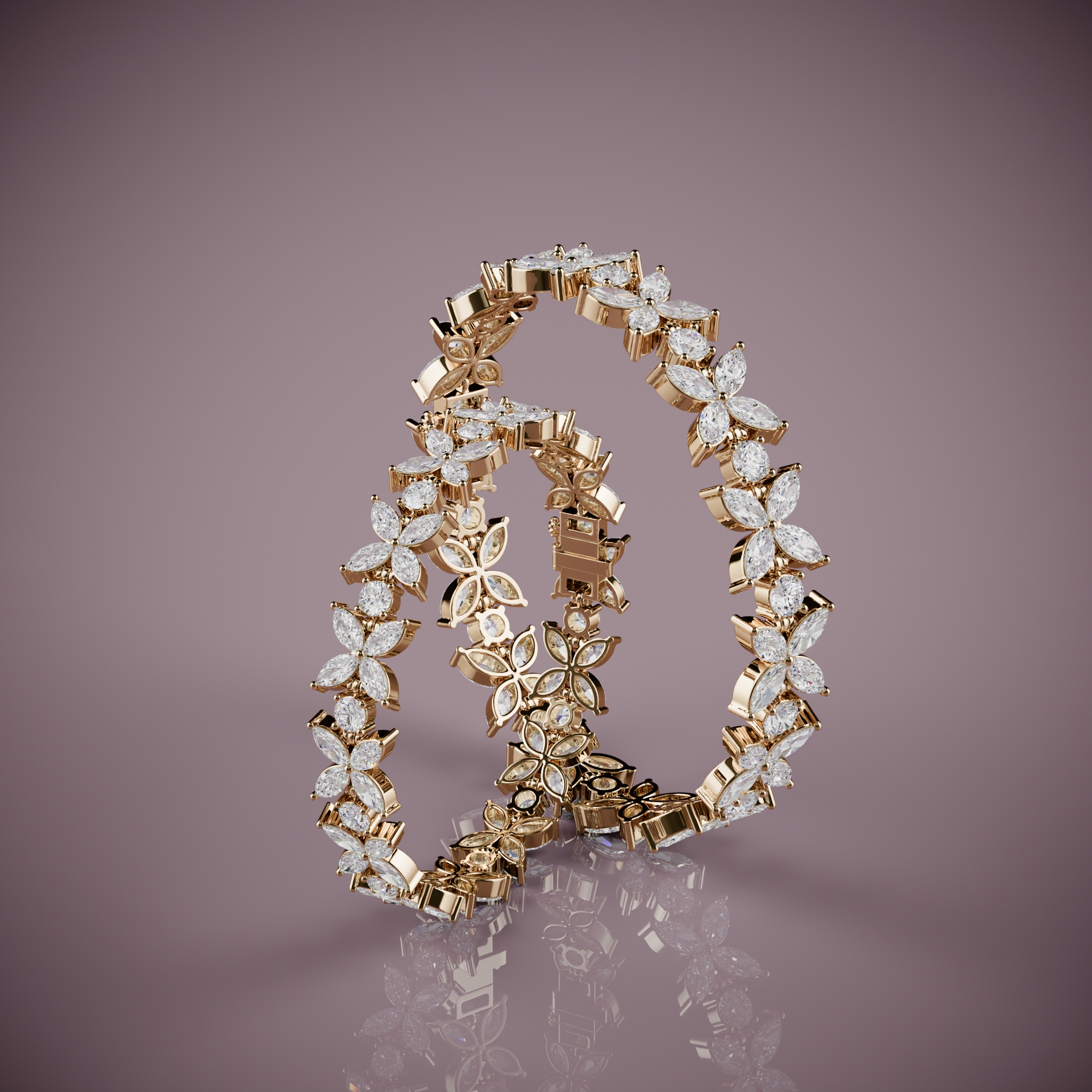
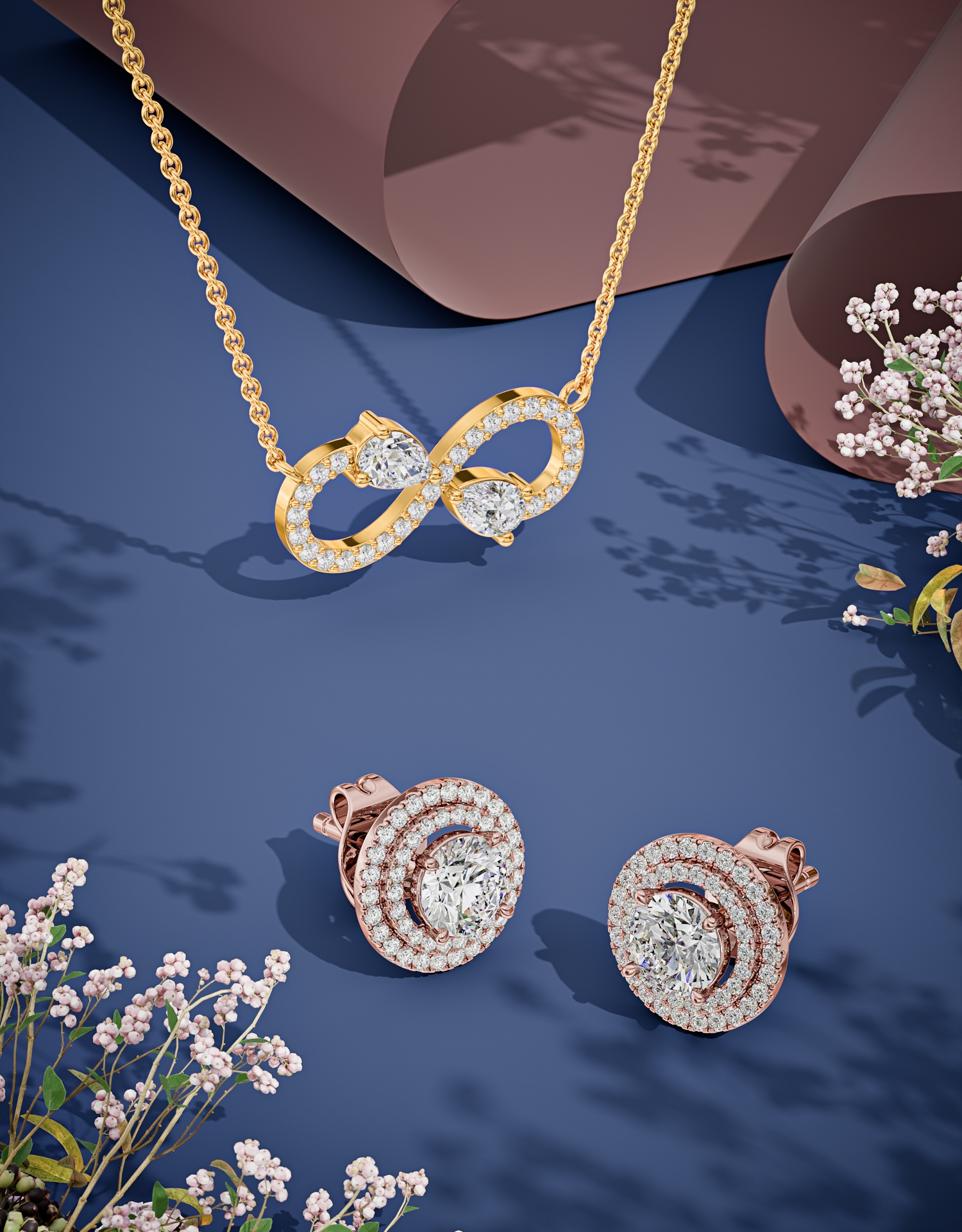
We use ray traced lighting so light actually travels through the modelled facets and comes back out, rather than painting a sparkle effect onto the surface. That pattern is the reason a render can sit next to a photograph without looking wrong.
Questions about Brilliance
Does a bigger diamond look more brilliant?
Not on its own. Brilliance comes from cut angles, so a small well cut stone can out shine a larger one that was cut badly.
Do lab grown diamonds have the same brilliance?
Yes. Brilliance depends on the cut and on the material's optical properties, and a lab grown diamond is the same material as a mined one.