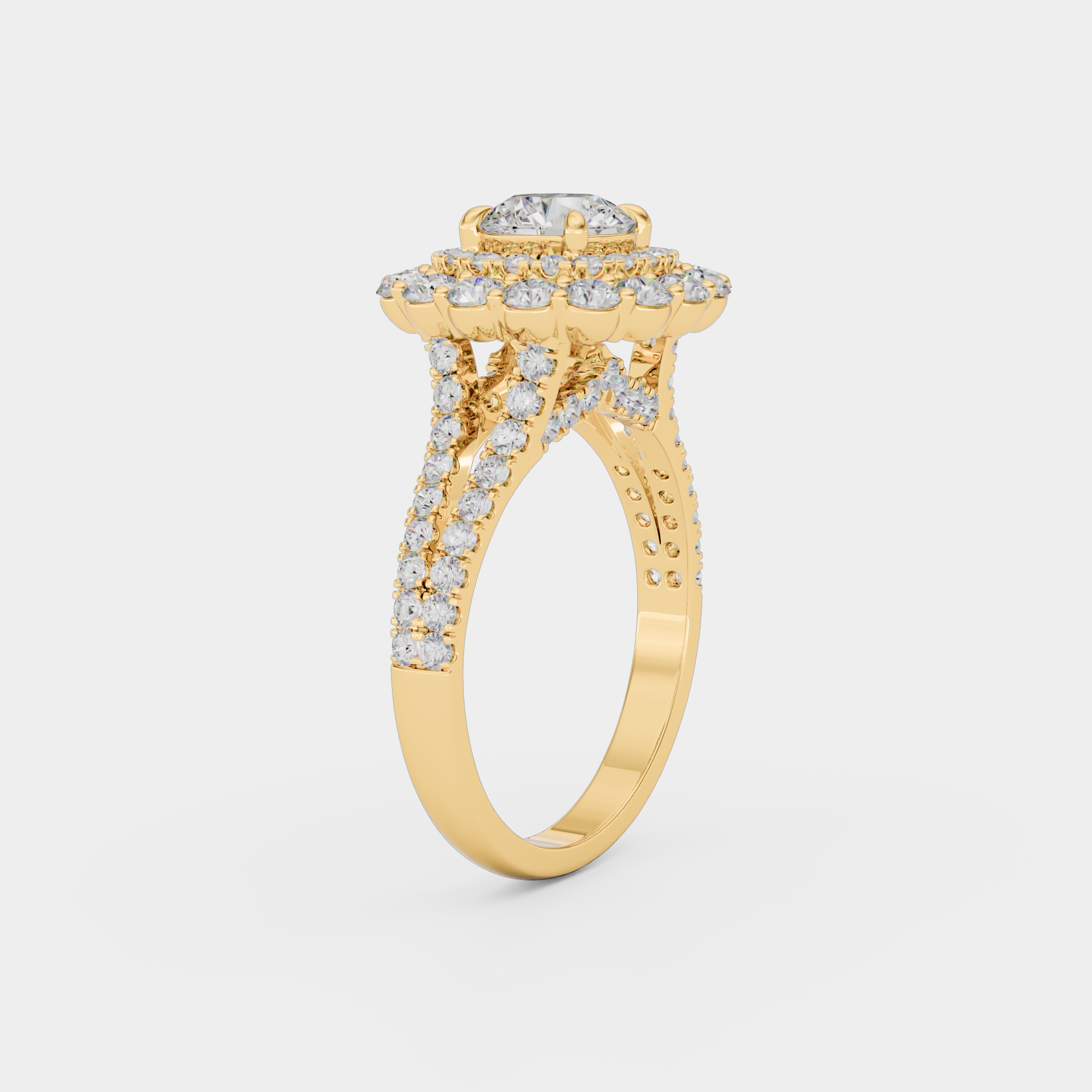
Reverse Engineering (Jewelry CAD)
Reverse engineering in jewelry is building a new CAD model from a piece that already exists, using measurements, photos, or a 3D scan instead of an original design file. It is how a discontinued style, an heirloom, or a design whose file was lost gets back into production.
In other words, the piece comes first and the file comes second. A modeler works backward from the metal to the geometry that would have made it.
How a jewelry piece is reverse engineered
The modeler needs the shape and the numbers. Photos give the shape. Calipers give the numbers. A 3D scan can give both at once, but it still needs a person to turn it into a usable file.
There are three common starting points. Measurements and photos from several angles suit simple pieces like bands and solitaires. A 3D scan suits organic or heavily detailed pieces, where hand measurement would miss too much. An existing mold or master model can be scanned in place of the finished piece.
A scan is not a finished file. It arrives as a polygon mesh that records every scratch, worn prong, and dent in the original. Polished gold and faceted stones also scan badly, because they reflect the scanner's light, so they are often coated with a matte spray first. The modeler uses the scan as a guide and rebuilds clean surfaces over it, then replaces each stone with true geometry at its measured size.
Whatever the route, send these measurements with your photos:
- Ring size, with the scale it came from, or inner diameter in millimeters
- Band width and thickness at the top and at the base
- Every stone size in millimeters, and the stone count
- Overall height of the setting from the finger
- Metal and karat, for example 14k yellow
Photo to CAD and Sketch to CAD are Different Jobs
Photo to CAD usually means reverse engineering: the photo shows a piece that exists, and the job is to match it. A photo has no scale, so it cannot supply dimensions on its own. It also hides whatever the camera could not see, such as the gallery under the center stone or the inside of the shank. Expect the modeler to ask for measurements and extra angles.
Sketch to CAD is forward design. When you convert a sketch to a 3D model, the drawing shows an idea, not an object, so the modeler has to make decisions the sketch leaves open: wall thickness, prong count, how the shoulders meet the head. A good sketch for CAD gives the main dimensions and a front, side, and top view.
Both end the same way, as a CAD file you approve before anything is cast or rendered. Both are modeling work, quoted separately from rendering.
When Reverse Engineering is Worth Paying For
Reverse engineering pays off when the file will be used more than once. A style you will reorder, resize, or offer in other metals earns back the modeling fee. So does a piece you need as a manufacturing file for a new caster.
It rarely pays off when you only want pictures of one piece. An estate piece or a handmade one-off has no CAD file, and modeling it purely to render it usually costs more than photographing it. Hand engraving and hammered textures make the gap wider, because matching their character takes modeling time a camera gets for free.
Check the rebuilt model against the original before you approve it. Ask for a render from the same angle as your reference photo and compare them side by side. For a piece that has to fit or match, have your caster print a resin copy and hold it next to the original, because a render will not show a band that is 0.2 mm too thin.
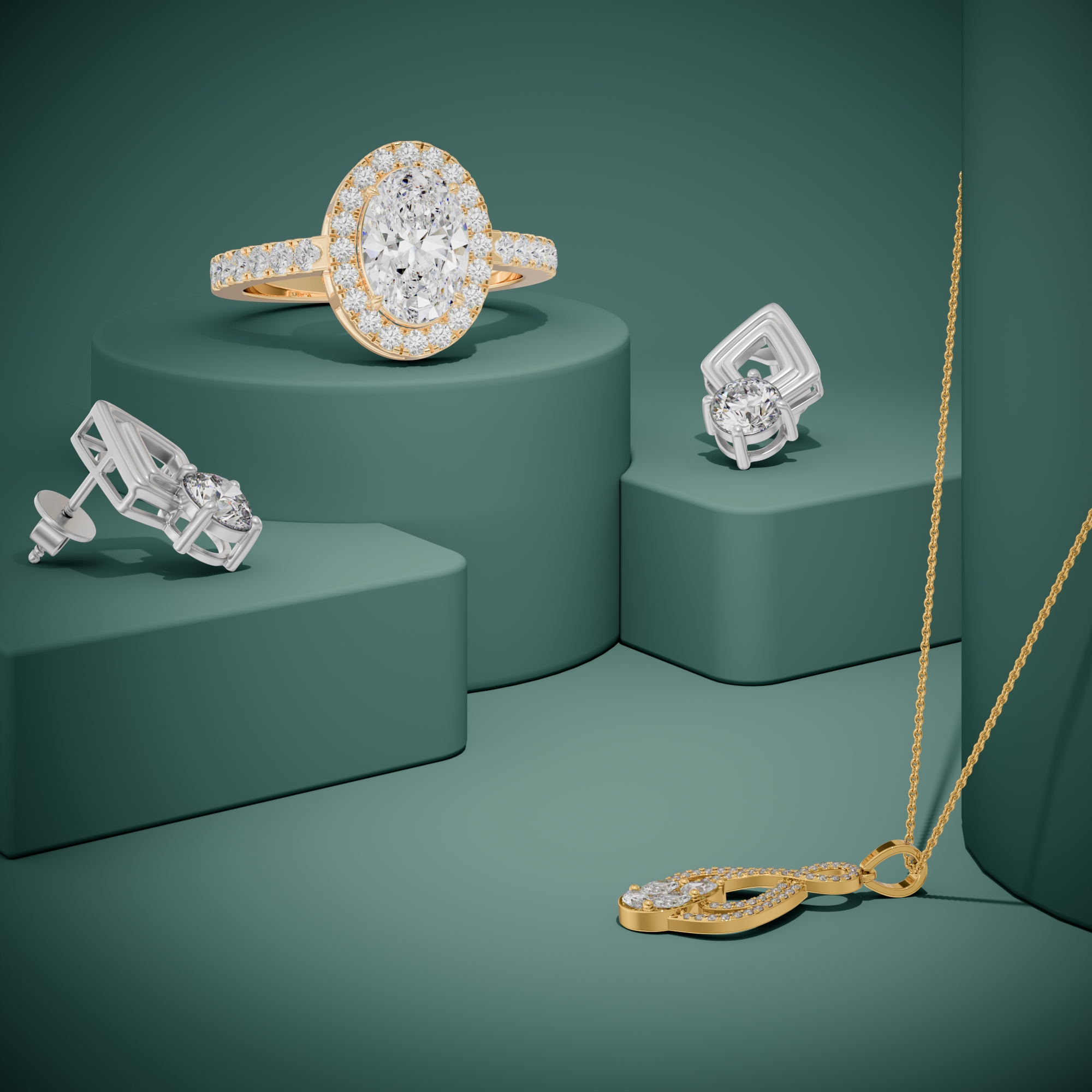
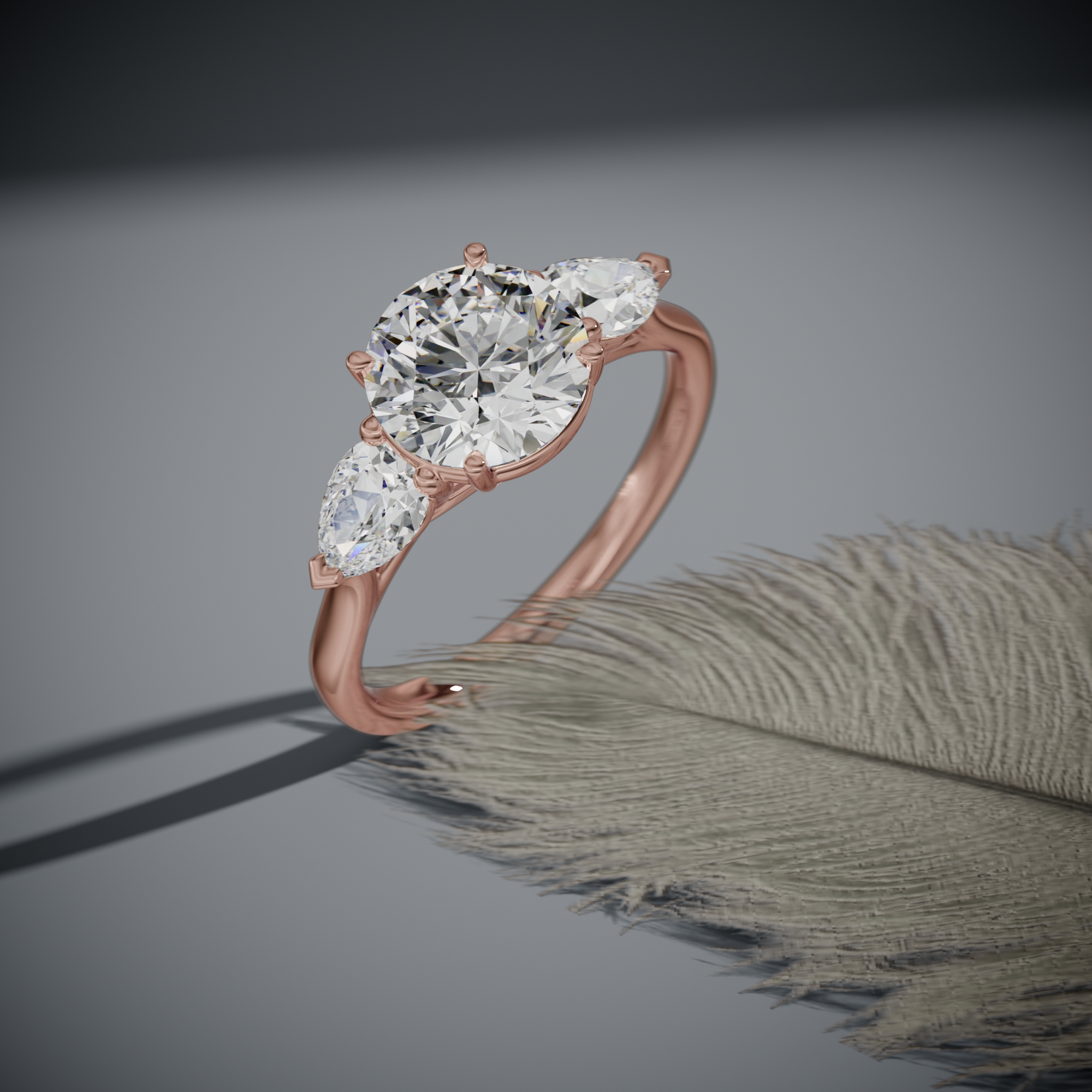
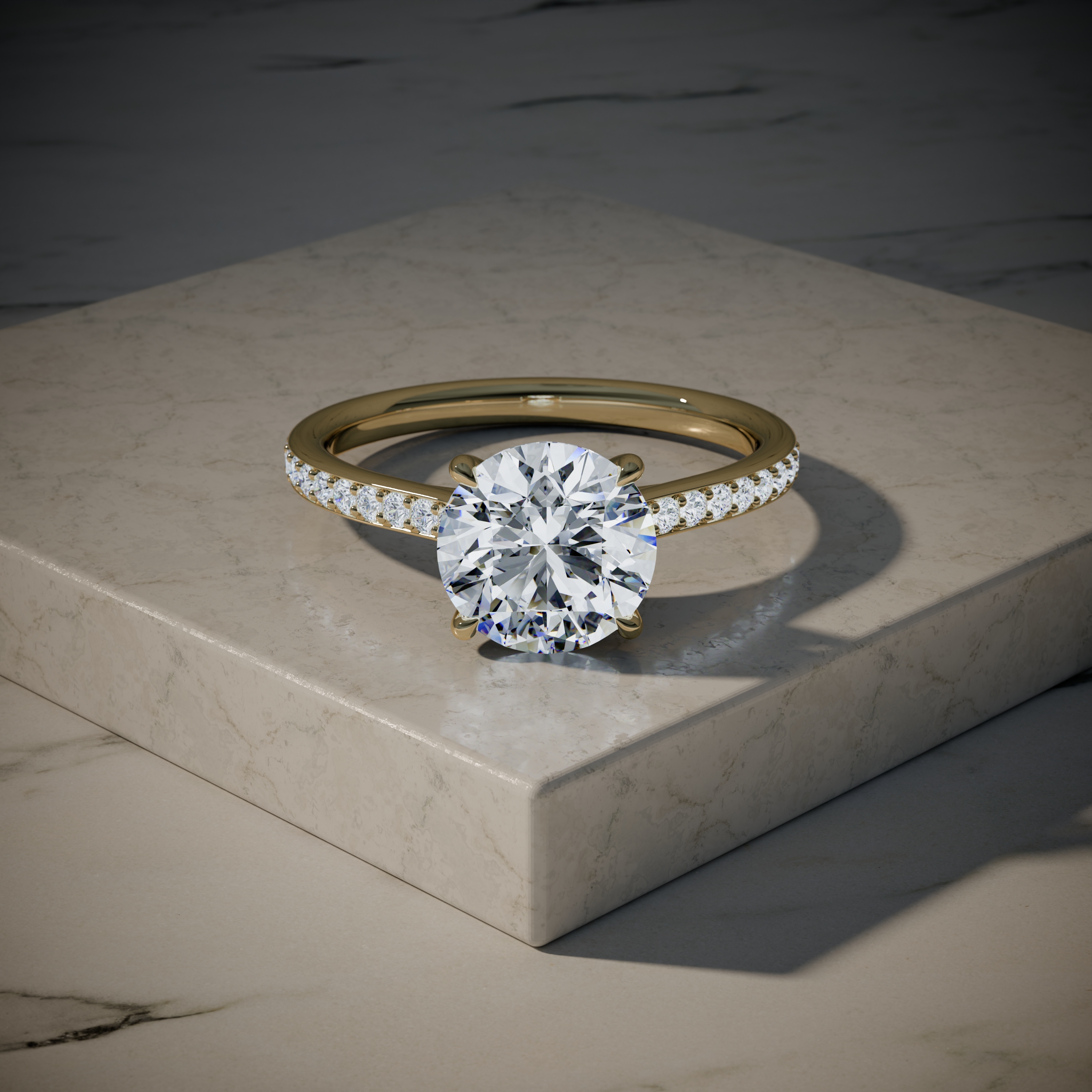
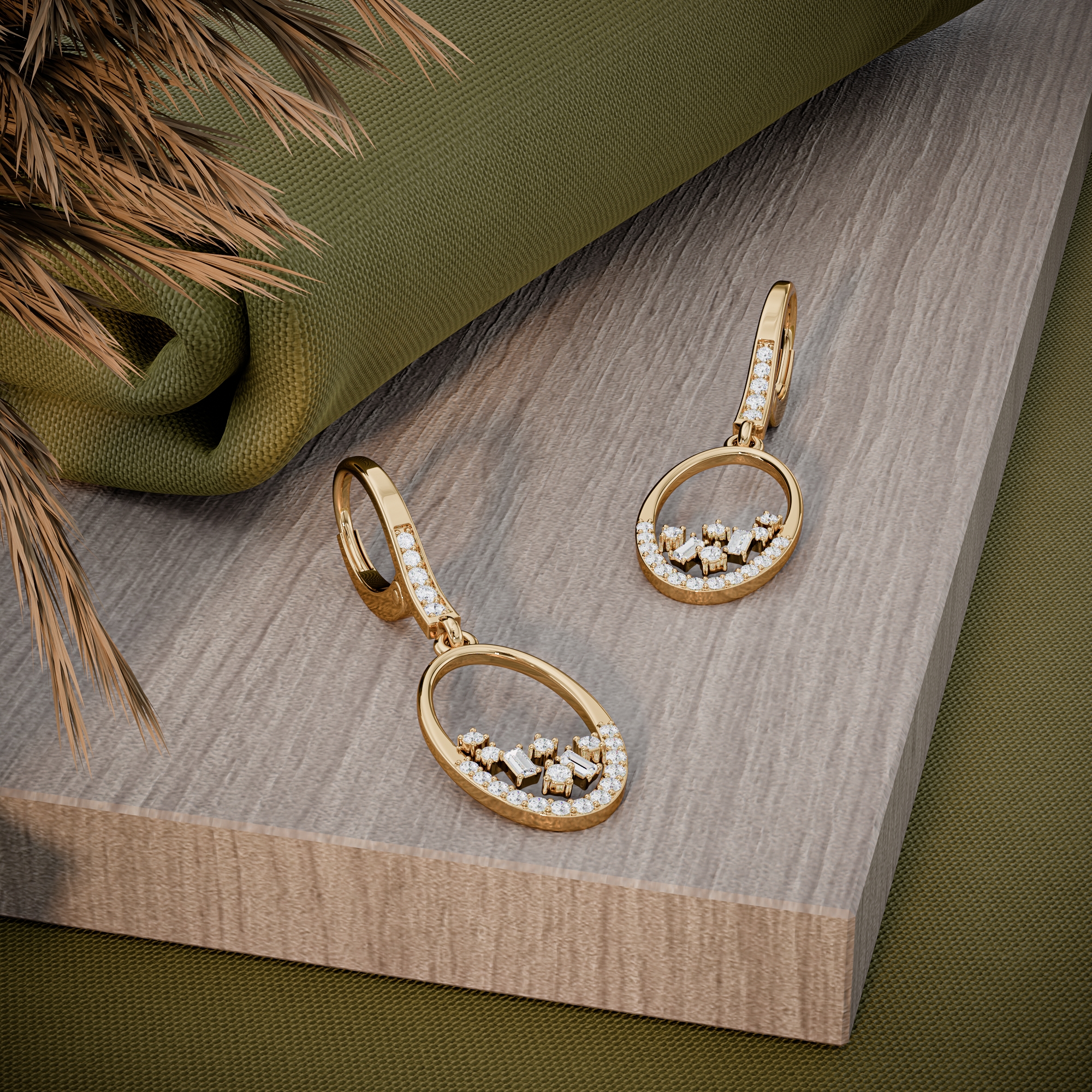
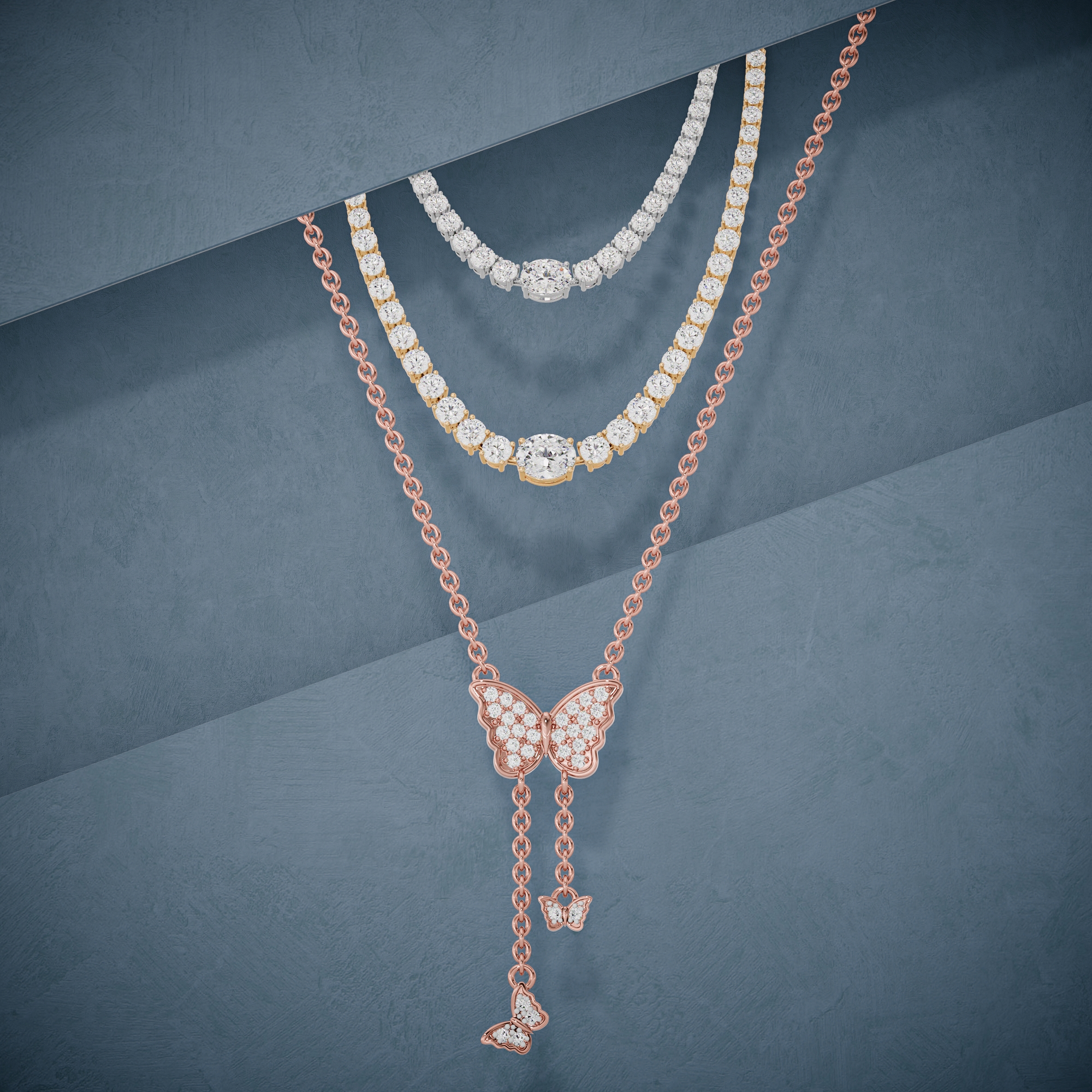
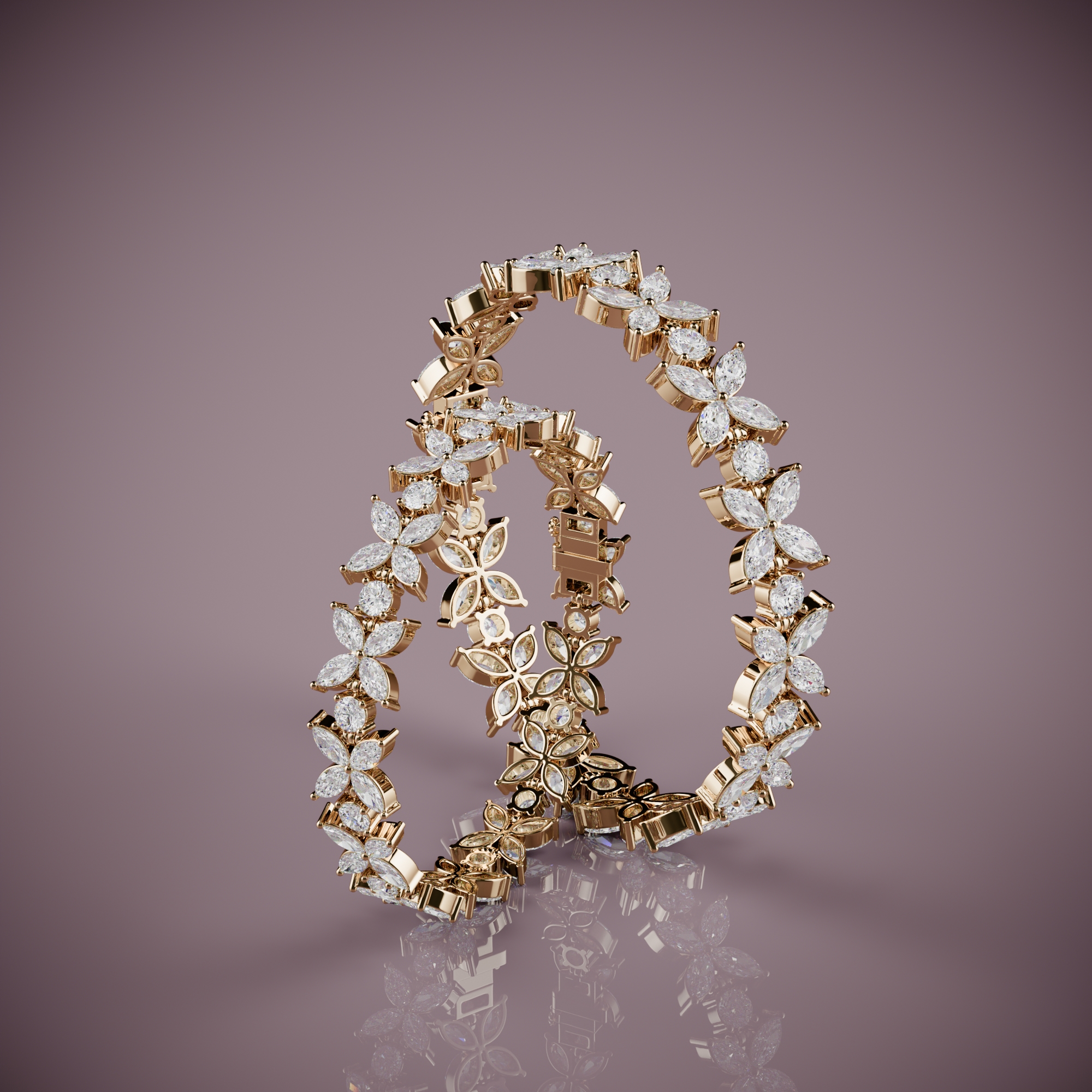
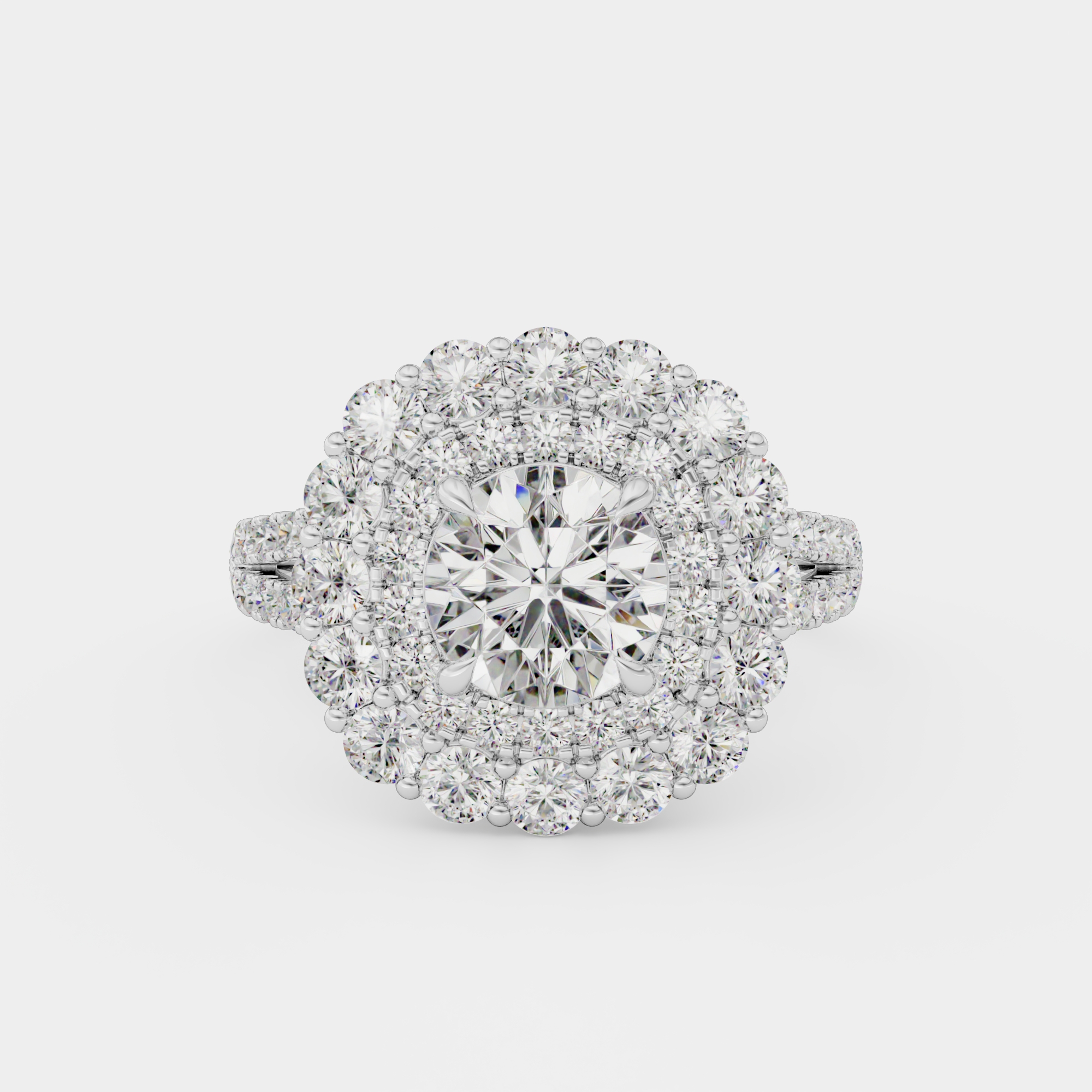
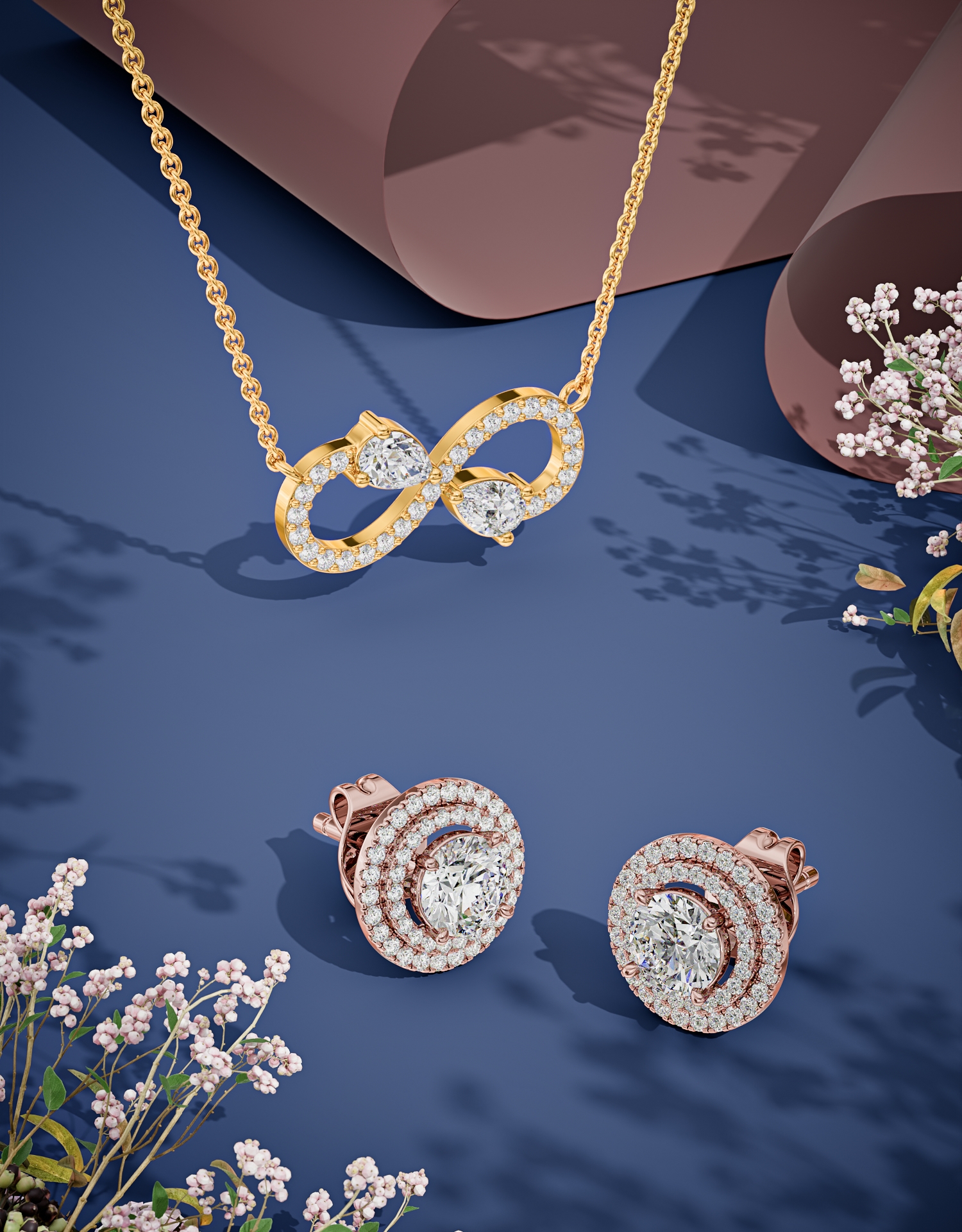
Once the model exists, it renders like any other file. When a client has only a photo or a sketch, we build the CAD model first for an added fee, then render it after you approve the model. From that one file, you get 9 HD images and 3 videos, in rose, white, and yellow gold.
Questions about Reverse Engineering
What is reverse engineering in jewelry?
It is rebuilding a CAD model from a piece that already exists. The modeler works from measurements, photos, or a 3D scan of the piece. The result is a new file that can be edited, cast again, or rendered.
What does photo to CAD mean?
It means turning a photo of a jewelry piece into a 3D CAD model. Because a photo has no scale and hides parts of the piece, the modeler also needs measurements and more than one angle. Without them, the file is an estimate of the piece, not a copy of it.
Can you convert a sketch to a 3D model?
Yes. A modeler builds the CAD file from the sketch, filling in the details a drawing leaves open, such as wall thickness and prong count. Front, side, and top views with the main dimensions give the most accurate result. You approve the model before it is cast or rendered.
Can a 3D scan of a ring be used directly?
Rarely as it is. A raw scan is a mesh that copies the wear and surface flaws of the original, and reflective metal and stones scan poorly. It is normally used as a guide for a clean rebuilt model.
Is it legal to reverse engineer a jewelry design?
It depends on whose design it is. Reverse engineering your own pieces, your own archive, or a piece the owner asks you to recreate is routine. Copying another brand's protected design can infringe its rights, so take legal advice before recreating anything you did not design.