Blender Software
Also called Blender 3D, Blender software, Cycles, Cycles render engine, EEVEE, open source 3D software.
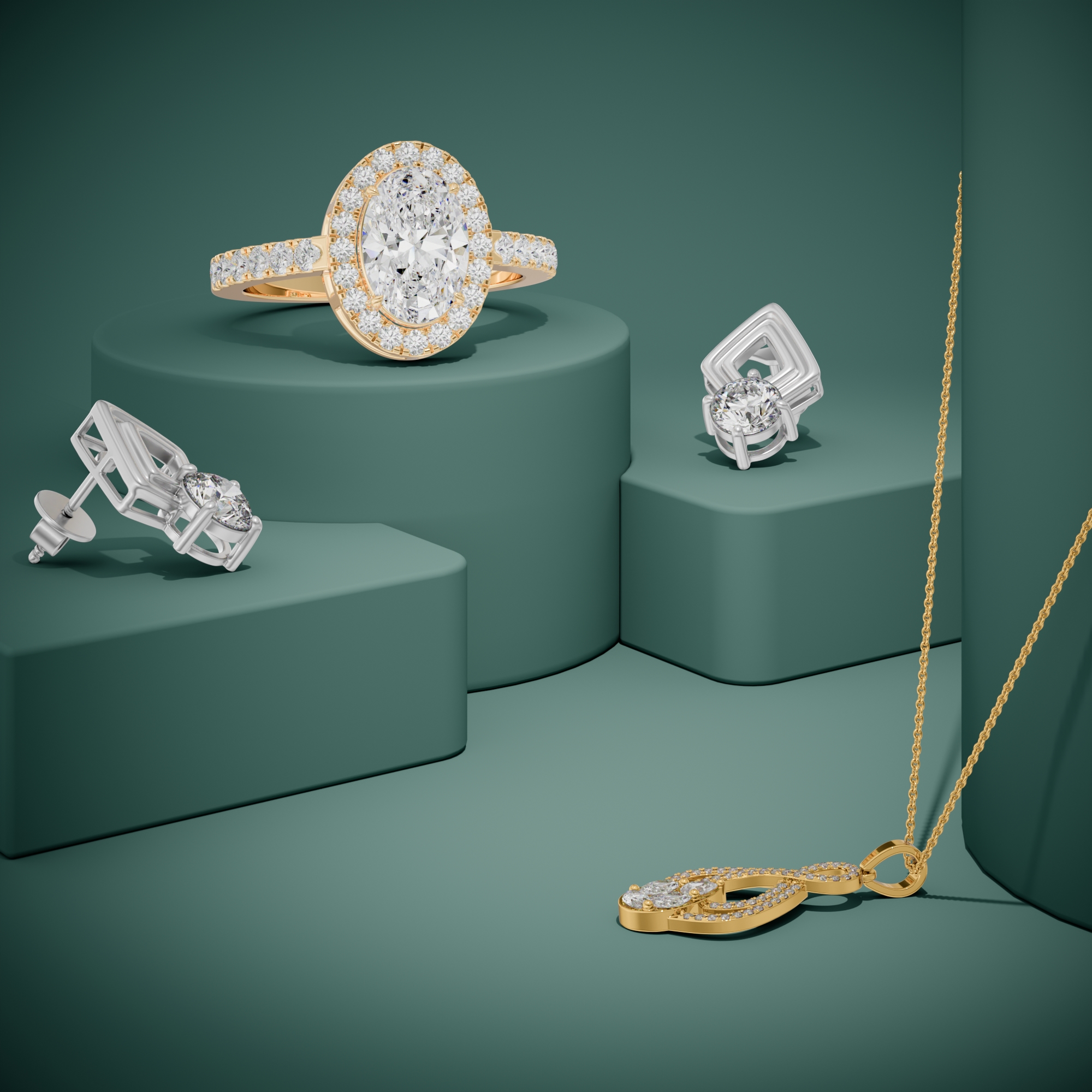
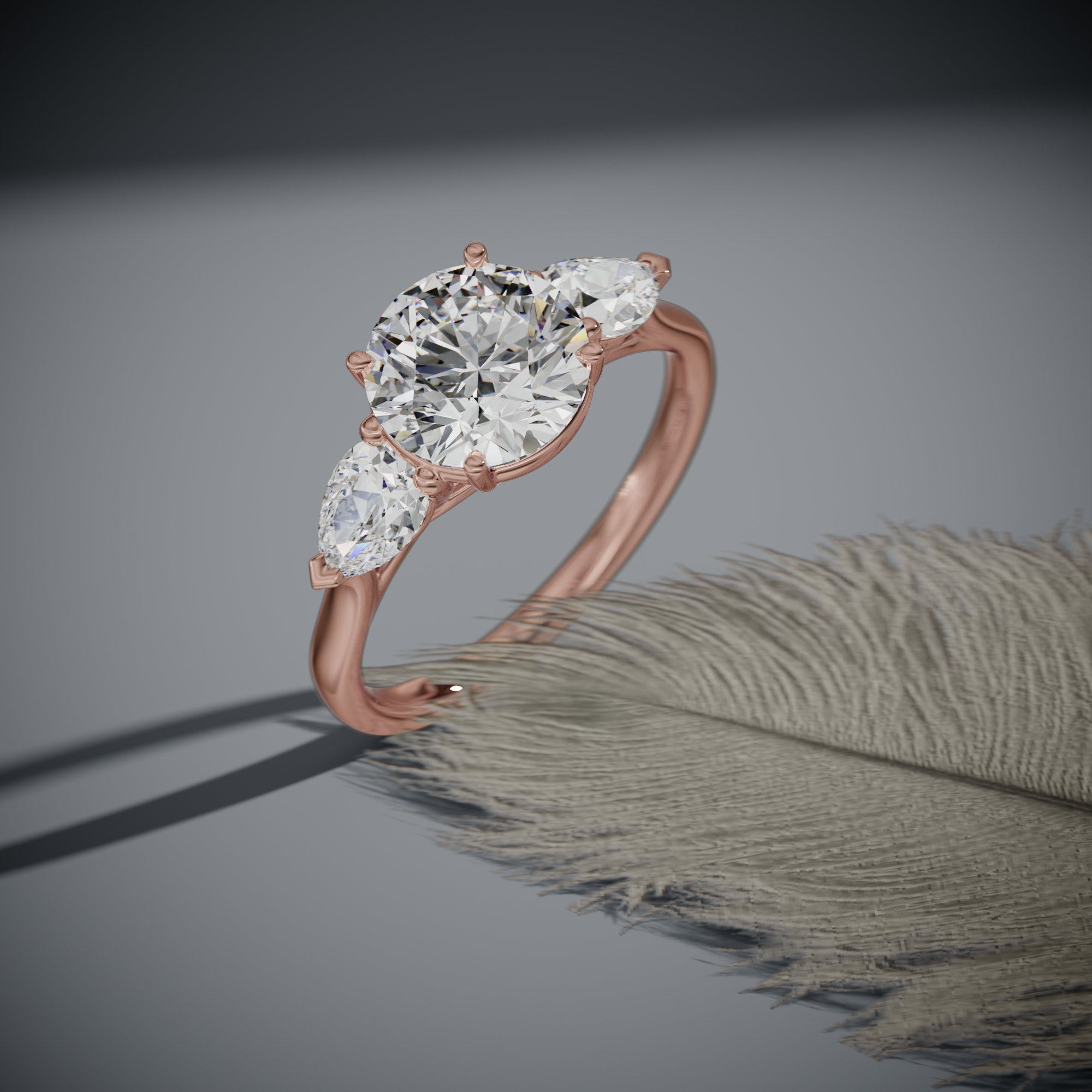
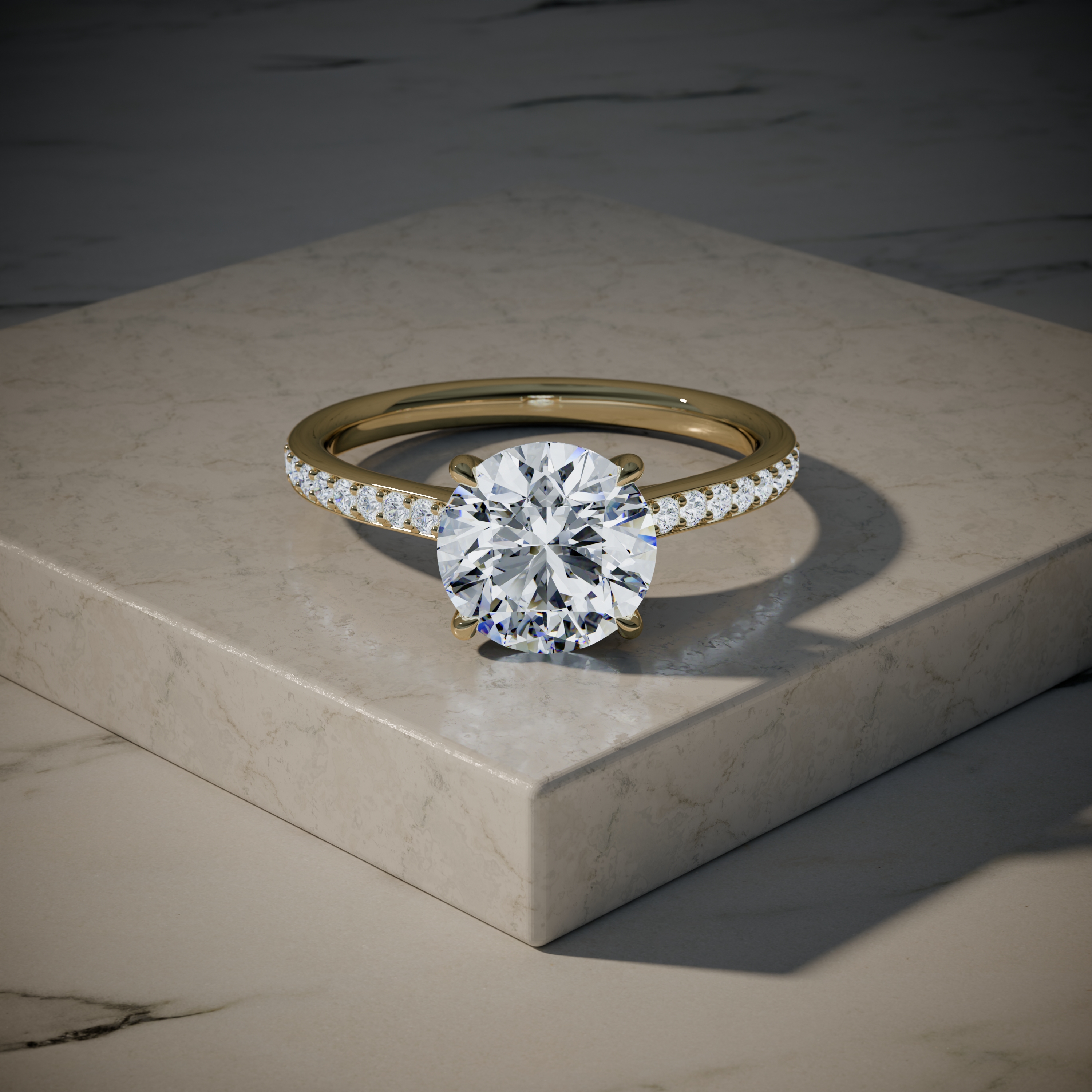
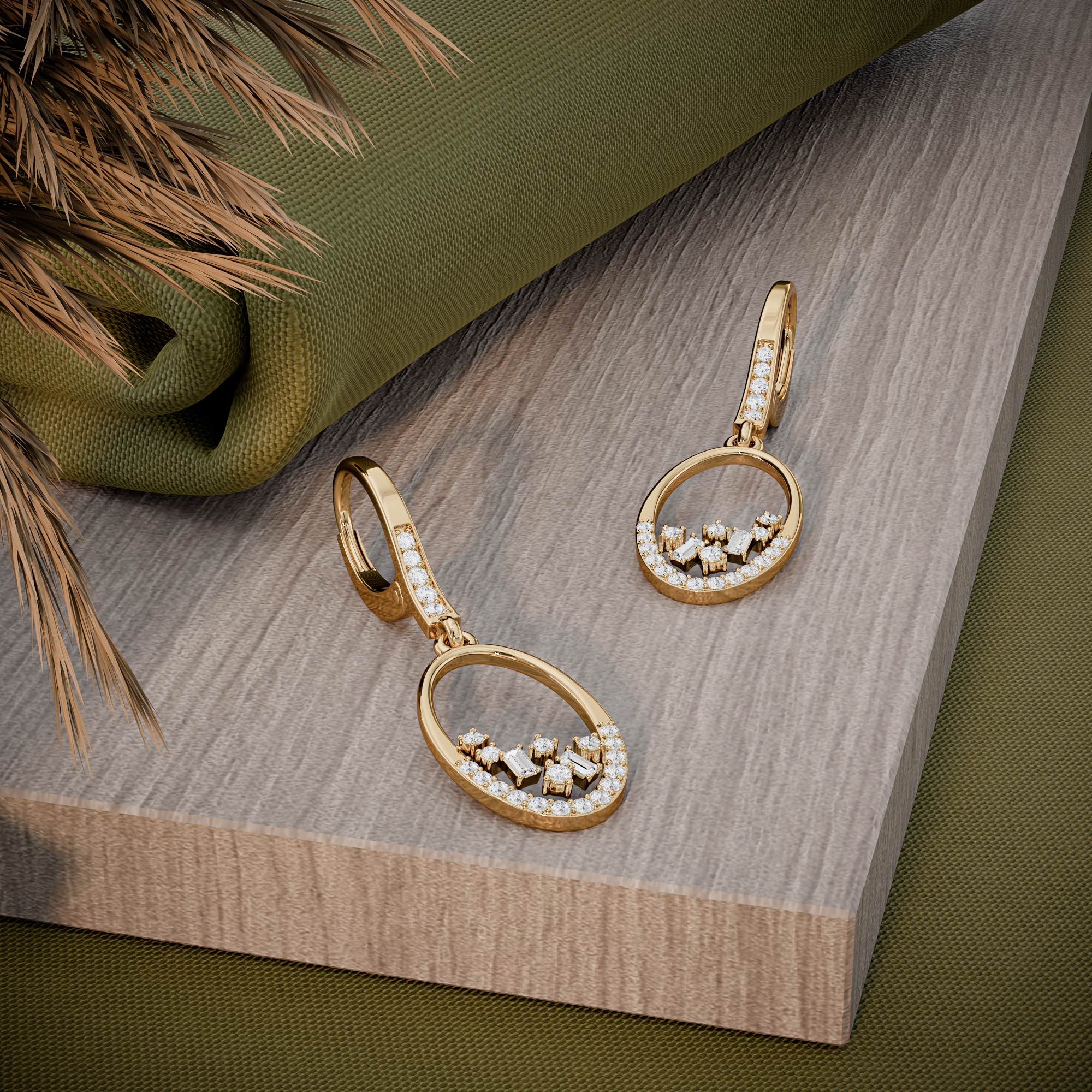
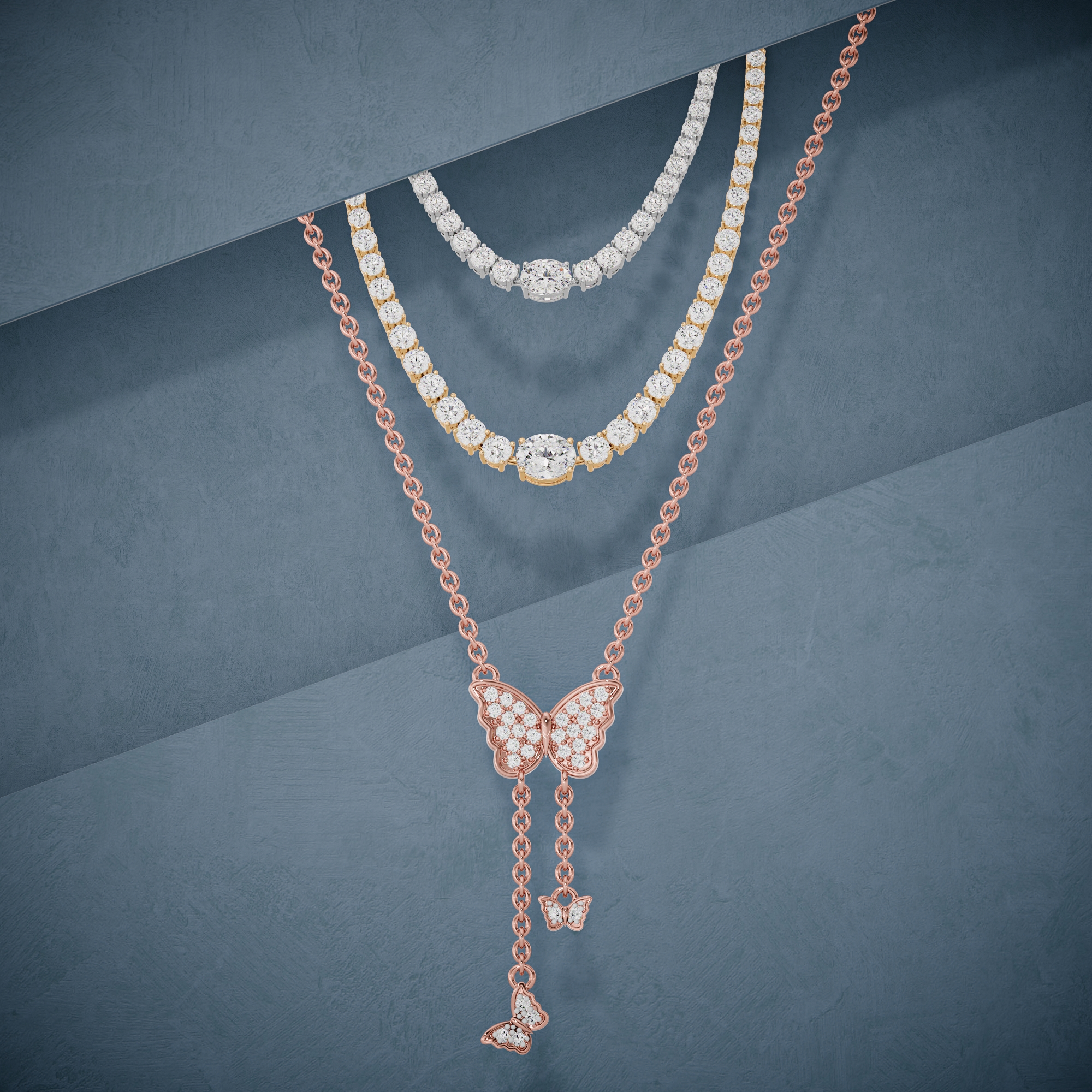
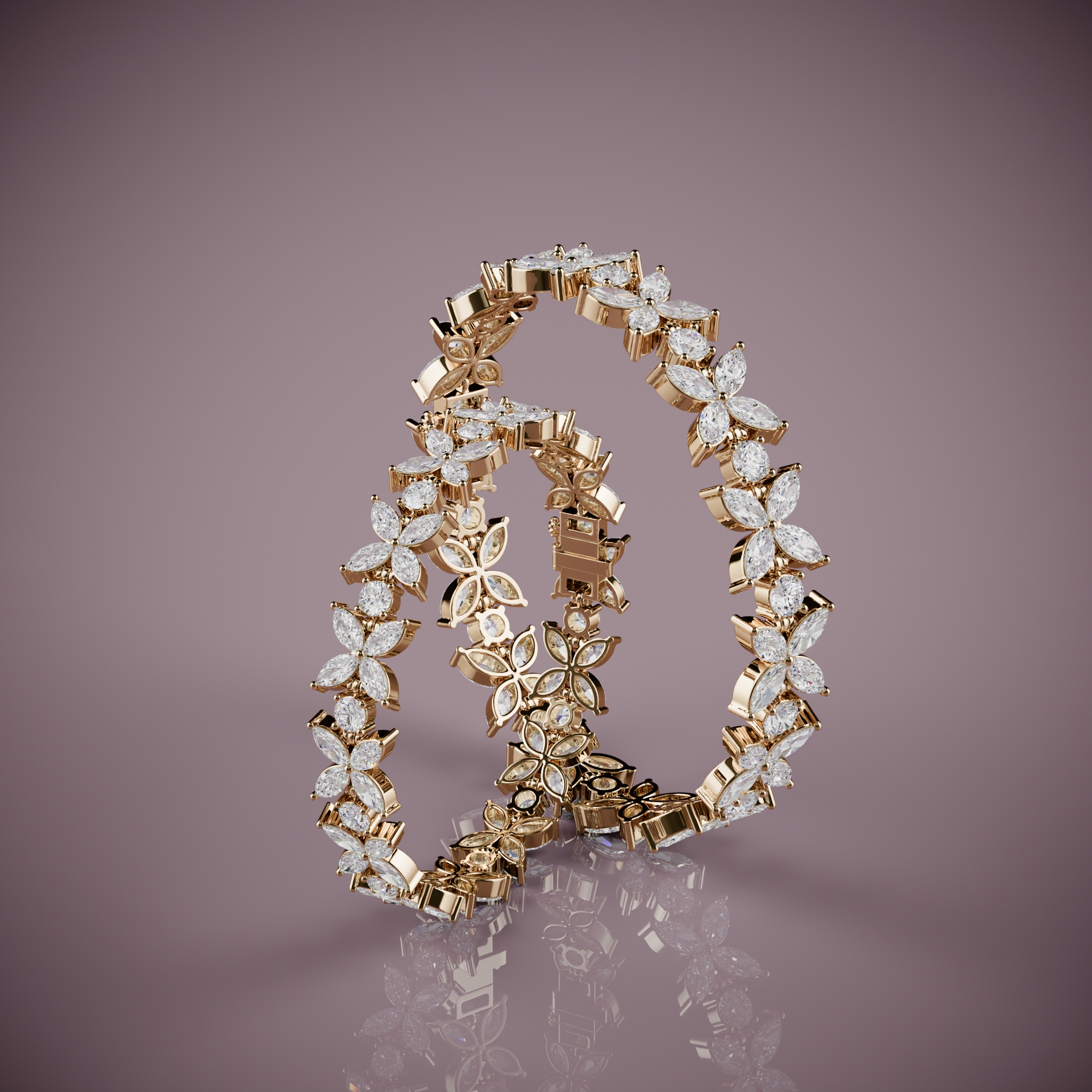
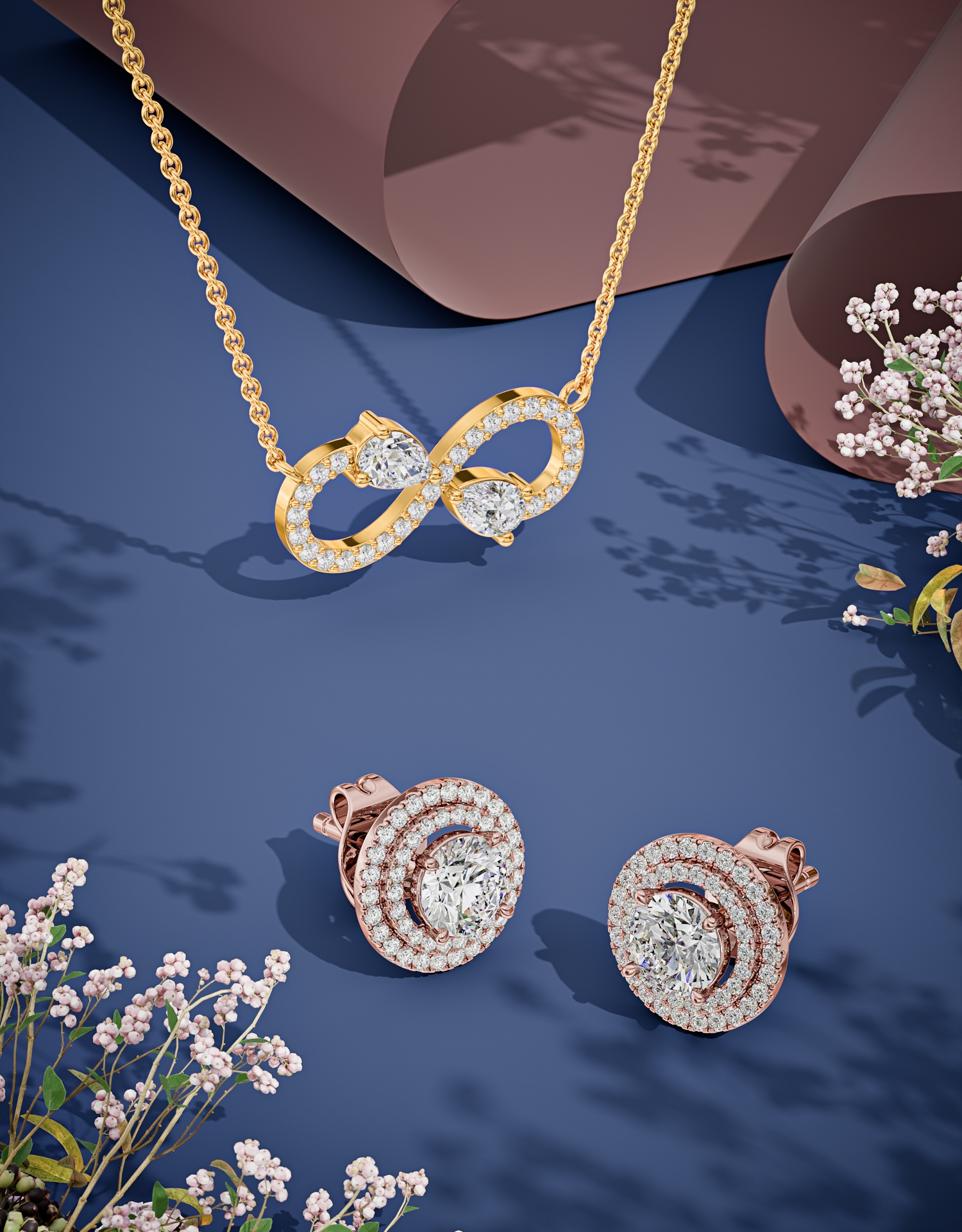
Blender is a free, open source 3D program that both models geometry and renders it, using its built-in path tracing engine Cycles. In jewelry it is used to build a piece and produce finished images from the same file, with no license cost.
Blender Software
What Blender is, and what Cycles is?
Blender is one program doing two jobs. It models geometry and it renders images, which is unusual on a list where most names do only one of those. That is why it turns up in jewelry conversations next to Rhino, which only models, and KeyShot, which only renders.
The rendering happens in one of two built-in engines. Cycles is the path tracer, the one that follows light through a scene ray by ray and produces the physically accurate image a stone needs. EEVEE is the real-time engine, fast enough to move around in but approximate, so for jewelry it is a preview tool rather than a delivery tool.
It is free in the plain sense of the word, not free for a trial period and not free with a watermark. The Blender Foundation releases it under the GNU General Public License and it is downloaded from blender.org. There is no seat count, no annual renewal, and no paid tier holding back the parts a jewelry render needs.
- Cycles: path traced, physically accurate, the engine used for final jewelry images
- EEVEE: real-time, approximate, useful for checking a camera angle
- Grease Pencil: 2D drawing and animation, unrelated to product rendering
Why Blender matters for a jewelry render?
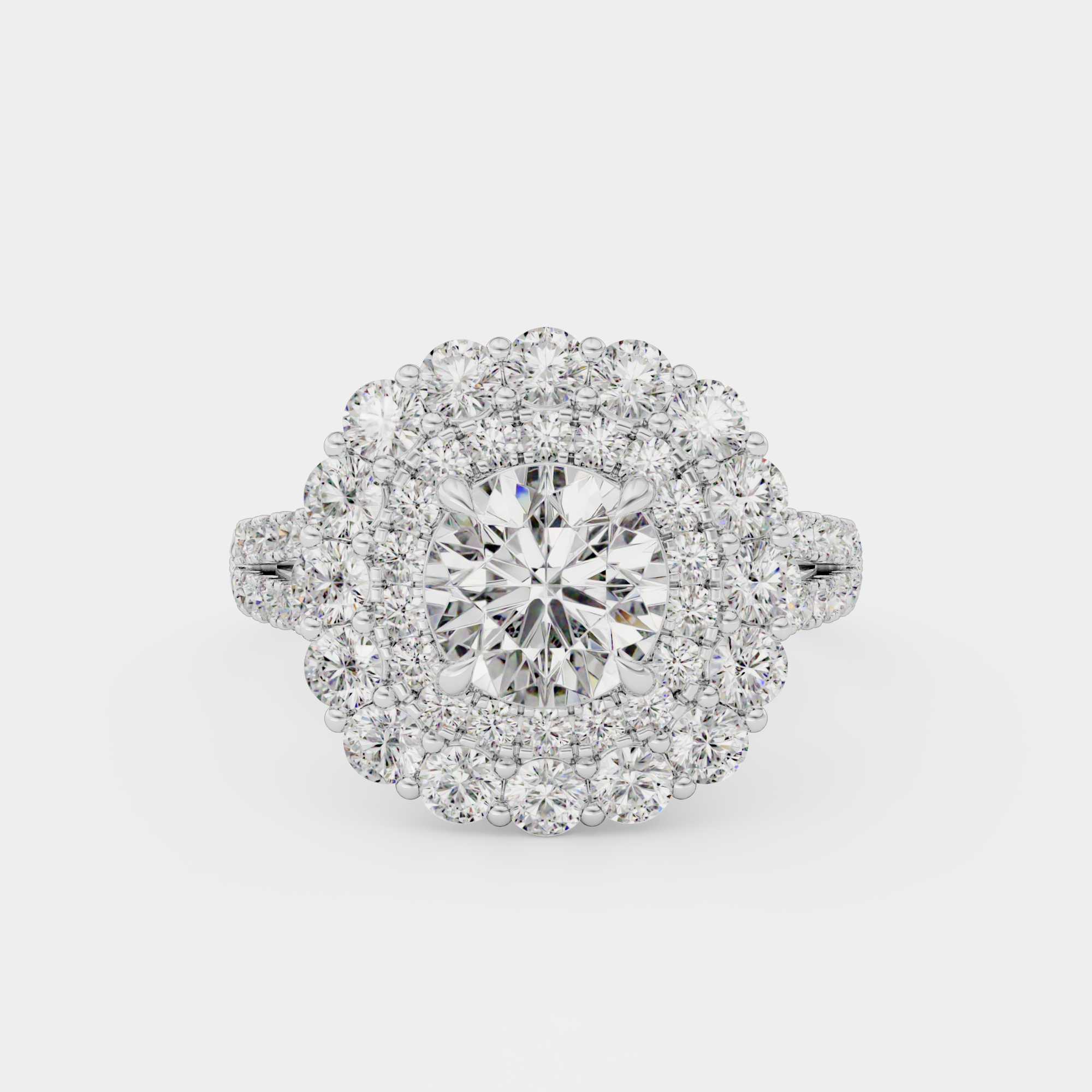
A jewelry render lives or dies on the stone, and the stone is the hardest thing in product rendering to get right. A diamond has an index of refraction of 2.417 and dispersion of 0.044. Light entering it bends hard, bounces many times inside, and leaves with red and violet separated, which is what fire is. Cycles handles all of that, which is the short answer to whether Blender is good enough.
The honest limit is caustics, the bright patterns light throws after passing through a curved surface. Cycles offers a fast caustics path built on manifold next event estimation, and Blender's own manual states the boundary plainly: "Only refractive caustics in the shadows of objects work." It adds that "MNEE Caustics only work if the caustic caster has smooth normals."
Read that against a brilliant cut. A faceted stone has no smooth normals, and the sparkle you want lands in the lit part of the frame rather than inside a shadow, so the shortcut does not apply. Cycles still gets there by brute force sampling, which costs render time rather than image quality. That trade is the honest version of "Blender is free".
Lighting is the other half, and there the gap closes completely. Polished metal shows you whatever is around it, so most jewelry lighting comes from an HDRI, a photograph of a real environment used as the light source. Cycles supports that the same way every paid engine does.
What we need if your model was built in Blender?
Send an export, not the .blend file. We render from 3DM, STL, OBJ, or STEP, and Blender writes STL and OBJ straight from its export menu. A .blend carries scene data that would be discarded anyway, because lighting and materials are rebuilt in our own render setup.
Check the mesh density before you export. Blender is a polygon modeler rather than a NURBS modeler, so curves are already stored as flat faces and the export freezes whatever resolution the model was built at. A shank that looked smooth in the viewport can show facets under a macro camera, and repairing that costs more than exporting it correctly the first time.
From one file you get 9 HD images and 3 videos, in rose, white, and yellow gold, at 3000 x 3000 px or larger and ready to drop into a product page. Most orders ship in 24 to 48 hours, at a flat $15 per CAD file.
Blender compared with the paid renderers
The difference is not image quality. Cycles produces jewelry images that hold up next to anything the paid engines produce, and across most of the distance between a bad render and a good one the engine is not the variable. Materials, lighting, and clean geometry are.
The difference is time. KeyShot imports CAD directly, ships a drag and drop material library, and updates its preview as you work, so you judge lighting by looking rather than by waiting. A KeyShot Studio Professional license costs $1,299 a year, checked August 2026. Blender asks for the same result in learning hours instead, and its interface assumes you intend to become a generalist 3D artist when jewelry work uses a small corner of what it does.
Which points somewhere uncomfortable for a rendering studio to say out loud. If you render most days, learn Blender and buy nothing. The arithmetic only runs the other way at low volume, where a license or an outsourced render costs less than the weeks it takes to get good.
Questions about Blender Software
Is Blender good enough for professional jewelry rendering?
Yes. Cycles is a physically based path tracer and produces publishable jewelry images. The two honest caveats are the learning curve and the caustics limit described above, which costs render time rather than image quality.
Where do you download Blender?
From blender.org, the Blender Foundation's own site. It is free there with no trial period, no watermark, and no paid tier, and installers are published for Windows, macOS, and Linux. Anywhere else charging for it is reselling something that is already free.
What are the alternatives to Blender for jewelry rendering?
KeyShot for standalone rendering, V-Ray or Octane as engines running inside a host program, and Rhino, Matrix, or MatrixGold for the modeling half. None of those are free. The choice usually comes down to what you already own and how many hours you can spend learning a new interface.
Does Blender do 2D as well as 3D?
It does, through a feature called Grease Pencil that draws and animates in 2D inside the 3D scene. It has nothing to do with product rendering, so it is not a reason to pick Blender for jewelry work either way.