Render Resolution (DPI vs PPI)
Also called dpi, ppi, image resolution
Render resolution is the pixel size of a rendered image, and it is what actually decides sharpness. PPI describes pixels per inch on a screen or in a digital file, DPI describes ink dots per inch on paper, and they are often used loosely to mean the same thing.
In other words, pixel count is the real number. PPI and DPI only tell you how big those pixels get printed or displayed.
The difference in plain terms
An image is a fixed grid of pixels, say 3000 by 3000. That count never changes. PPI is a note attached to the file saying how many of those pixels to pack into an inch when it is displayed or printed, so 300 PPI makes that image 10 inches across and 150 PPI makes it 20 inches.
DPI belongs to the printer, describing how many ink dots it lays per inch. Printers use several dots to build one pixel, which is why print DPI numbers run higher than image PPI numbers.
For web use PPI does nothing at all. A browser reads pixel count and ignores the tag entirely, which is why a 72 PPI file and a 300 PPI file of the same pixel size look identical online.
What resolution ecommerce actually needs
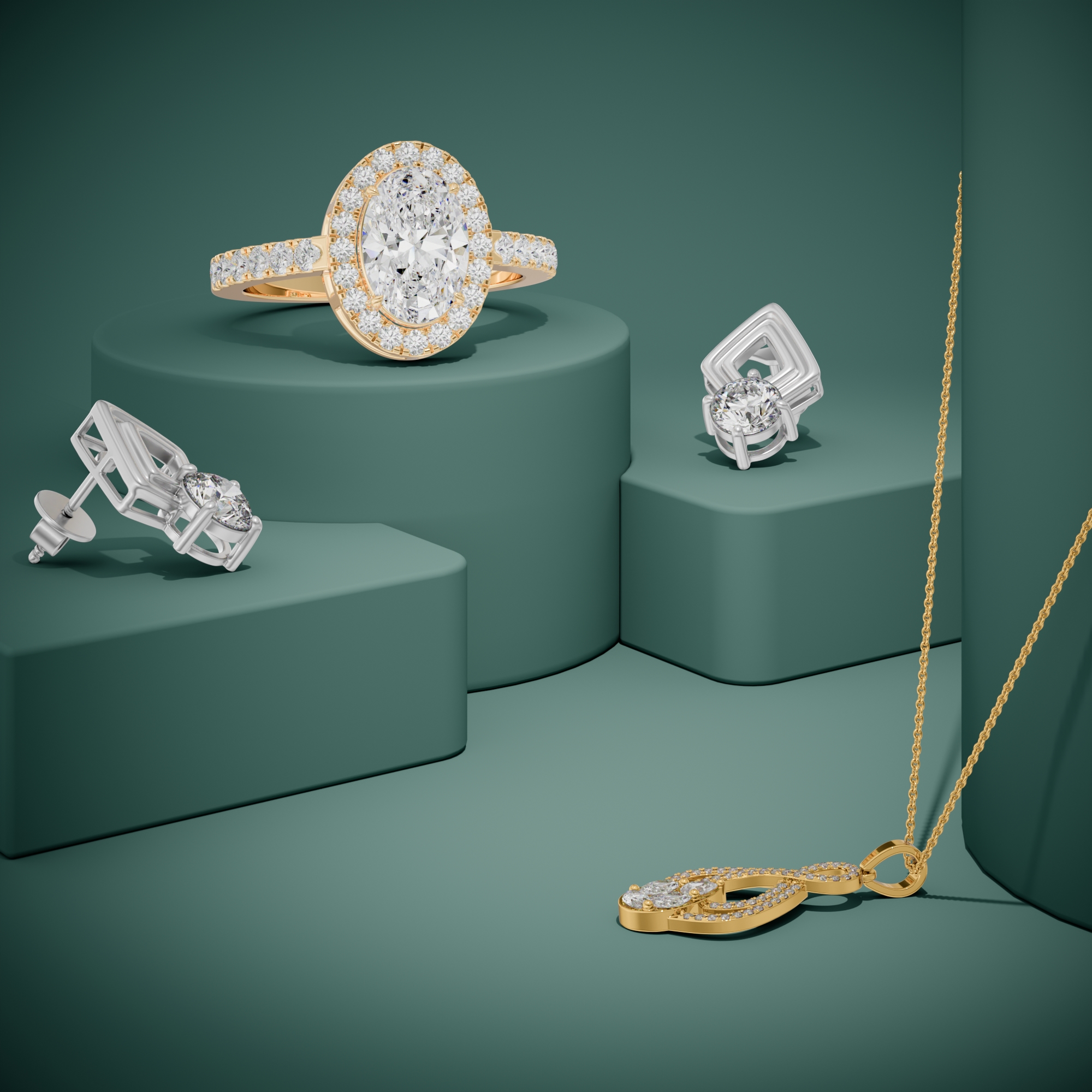
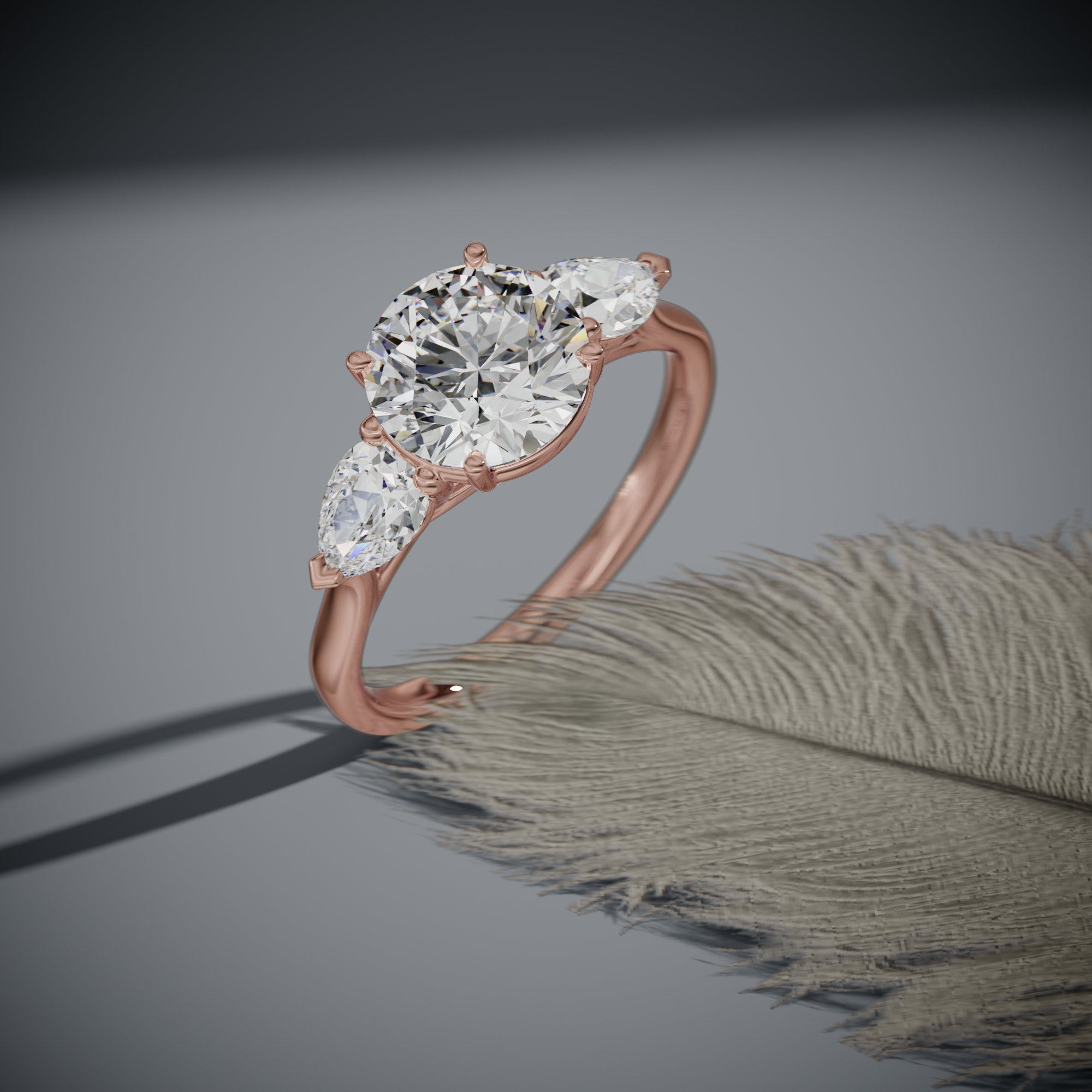
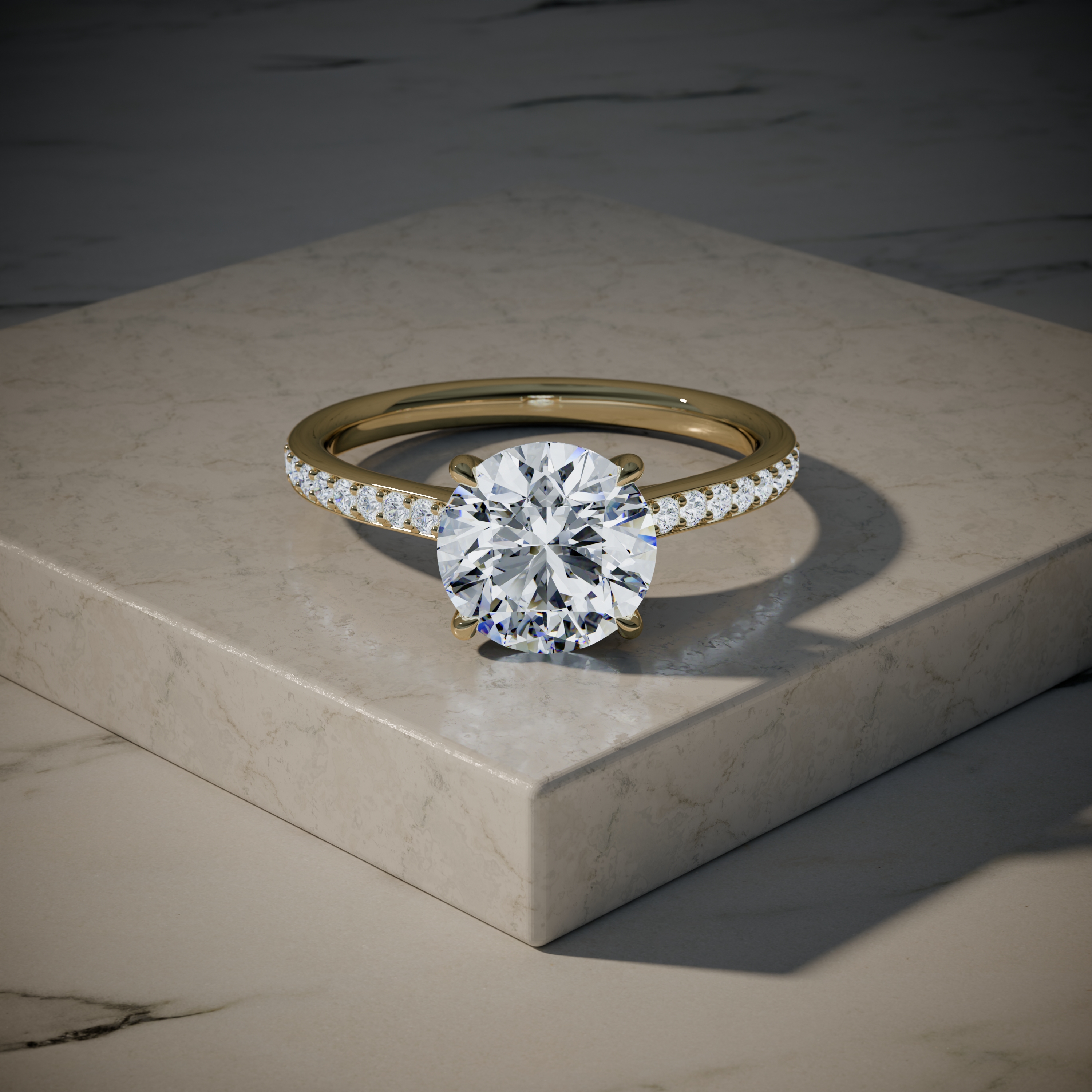
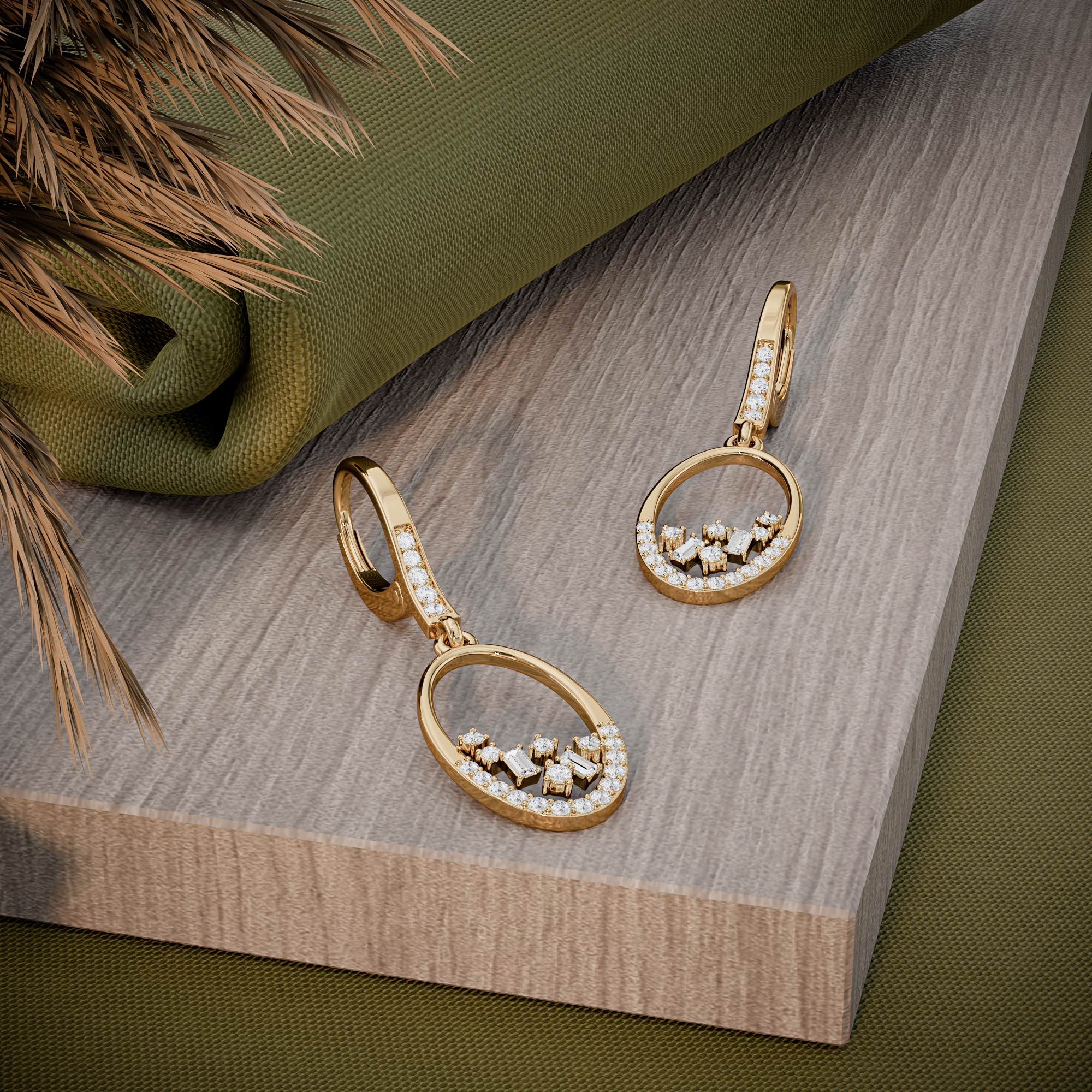
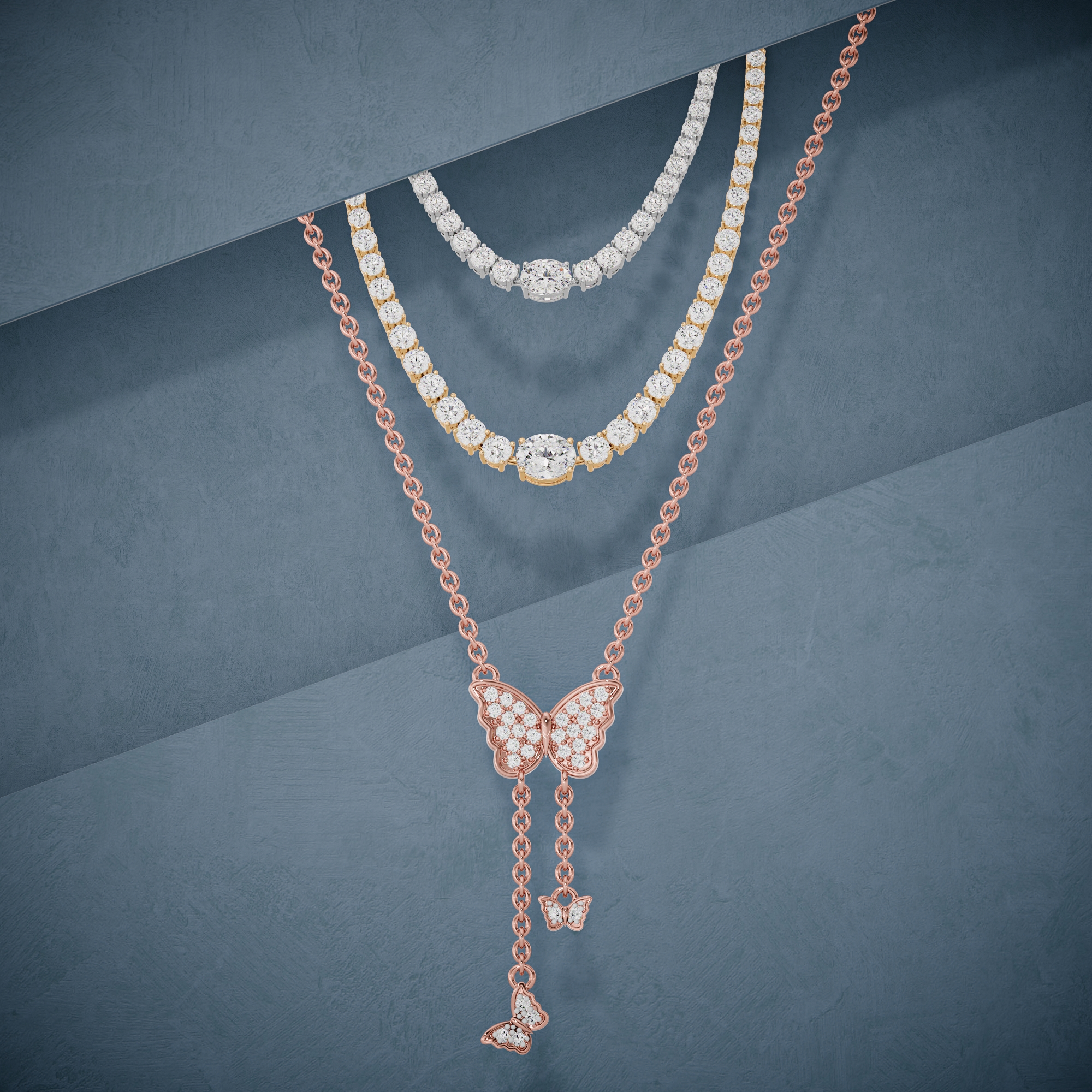
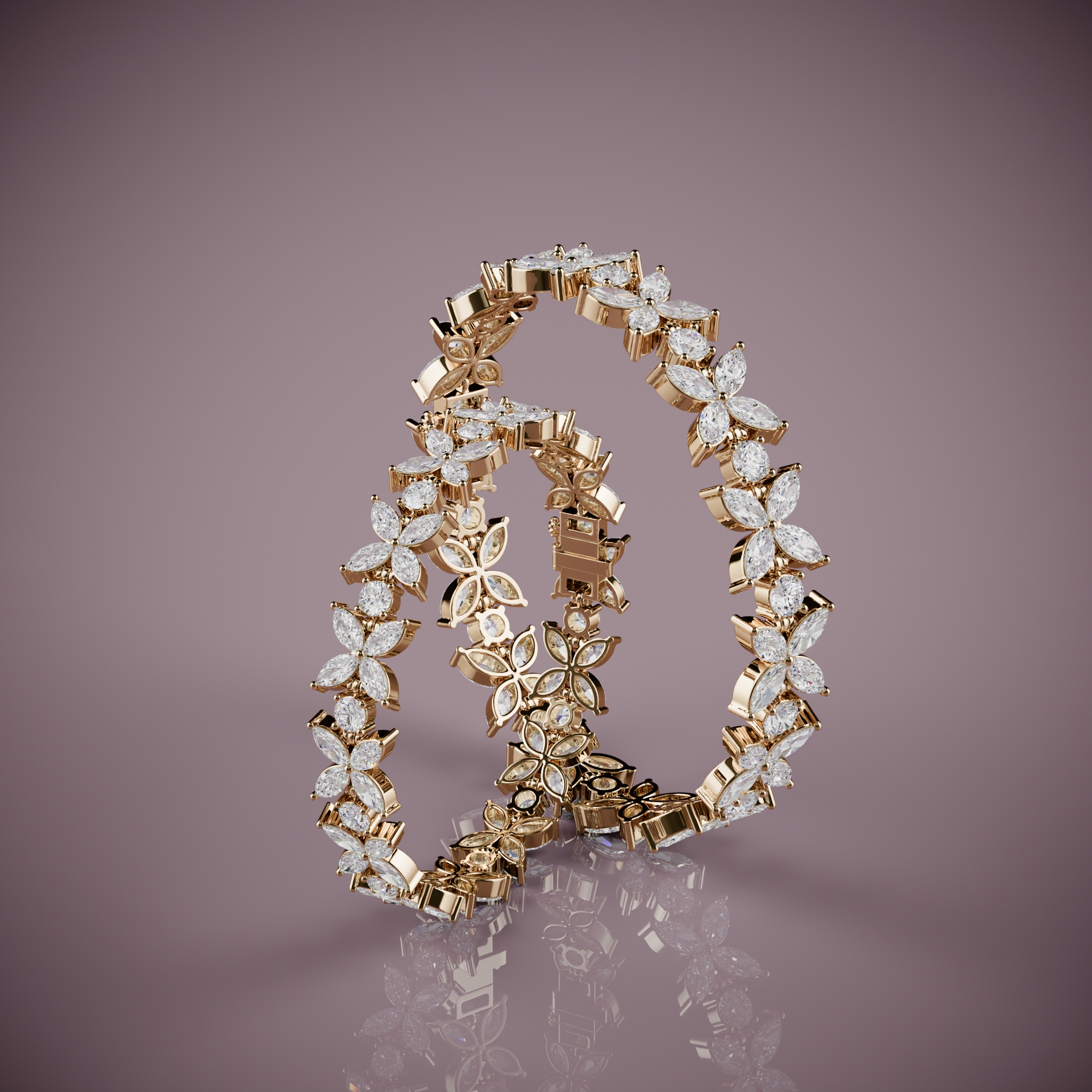
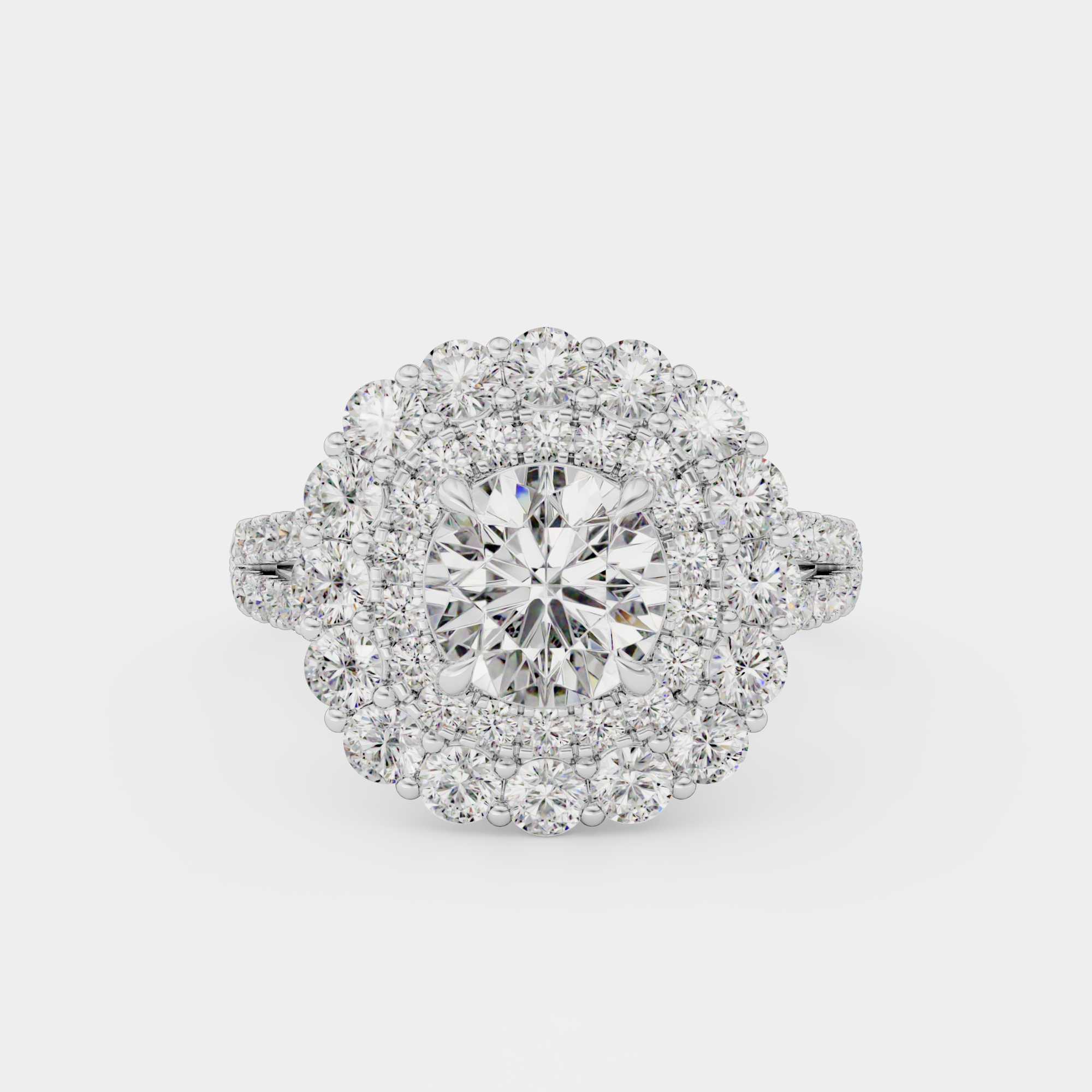
Marketplaces want enough pixels for their zoom feature to work. Zoom is where jewelry is sold: a buyer wants to look at prong tips, milgrain, and the facets on the centre stone before spending.
That is the real argument for rendering large. A render can be produced at whatever pixel size you need, and it stays sharp because it is computed rather than captured, so there is no lens or sensor limit to hit.
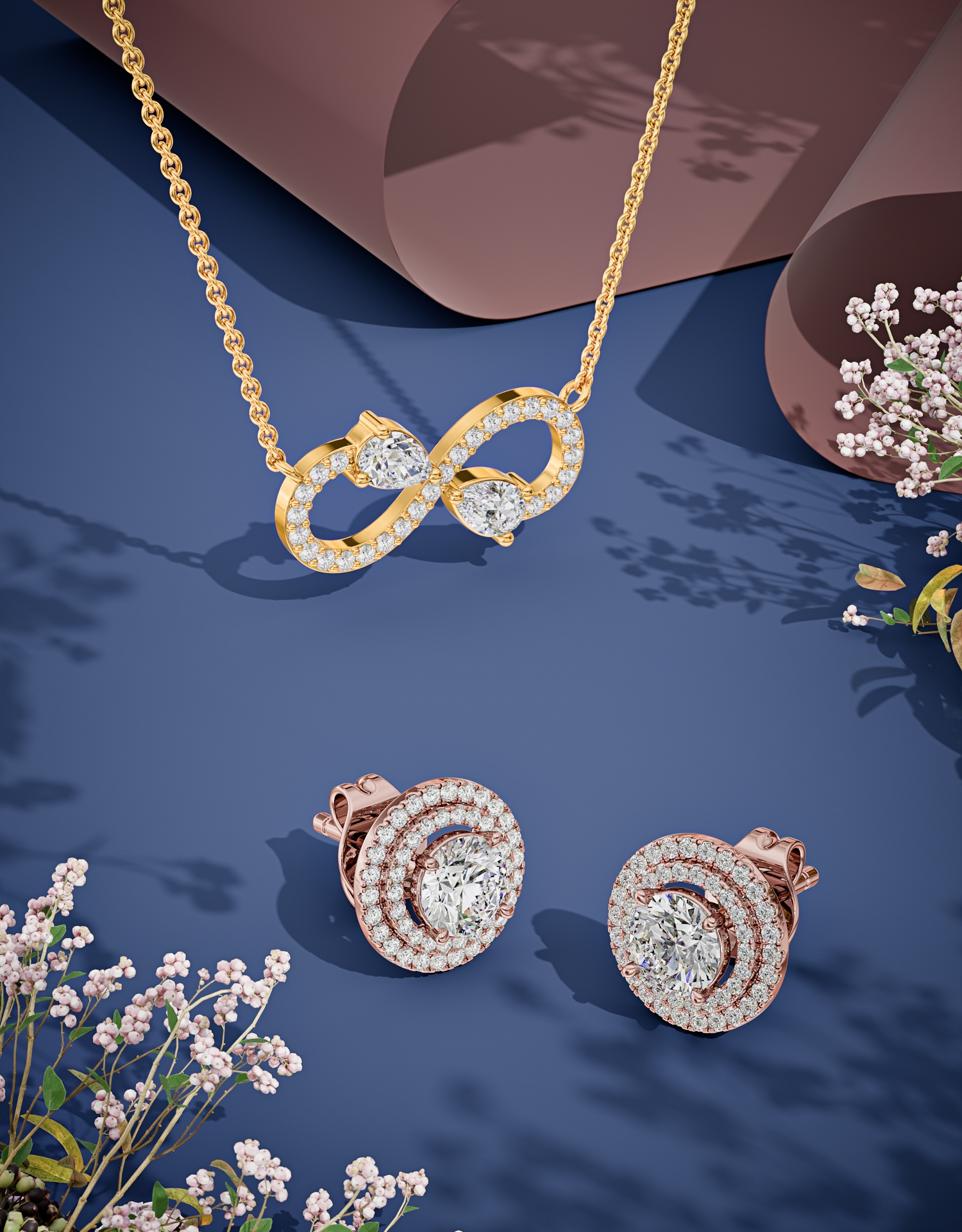
Renders come back as HD images sized for ecommerce use on a white background. If you also need print files for a catalogue or a trade show banner, say so when you send the CAD file, because print wants a bigger pixel count than a product page does.
- Web product pages: pixel count is what matters, ignore the PPI tag
- Marketplace zoom: check the platform's minimum long-edge pixel size
- Print: aim for around 300 PPI at the final printed size
- Large format banners: lower PPI is fine, since viewing distance is greater
Questions about Render Resolution
Is 300 DPI needed for website images?
No. Browsers read pixel count and ignore the DPI or PPI tag. A 2000 by 2000 pixel image looks the same online whether it is tagged 72 or 300.
What resolution should jewelry product images be?
Large enough that a buyer can zoom in on the stones and setting without softness. Check the minimum long-edge size your marketplace requires and go above it.
Can renders be made bigger for print?
Yes. A render is computed rather than photographed, so it can be produced at print size from the start. Tell us when you send the file, since print needs more pixels than a product page.