
Lost Wax Casting
Also called investment casting, cire perdue
Lost wax casting is a production method that turns a wax copy of a design into metal. The wax is packed in plaster, melted out to leave a hollow cavity, and molten gold or silver is poured into the space the wax left behind.
In other words, you build the piece in wax, burn the wax away inside a plaster shell, then fill the empty shell with metal.
How it works
The wax copies are attached to a wax stem so they sit like branches on a tree. The tree goes into a steel flask and liquid plaster, called investment, is poured around it and left to set.
The flask is heated in a kiln. The wax runs out and burns off, leaving a cavity in the shape of every piece on the tree. Metal is poured or spun into the hot flask, then the plaster is broken away and the pieces are cut off the stem and finished.
- Inject waxes from a mold and build a wax tree
- Invest the tree in plaster inside a flask
- Burn out the wax in a kiln
- Pour or spin molten metal into the cavity
- Break out, cut off, clean, and polish
Where a render fits
Casting is the point of no return. Once metal is poured you have paid for the gold, the labour, and the finishing, whether or not the client likes the result.
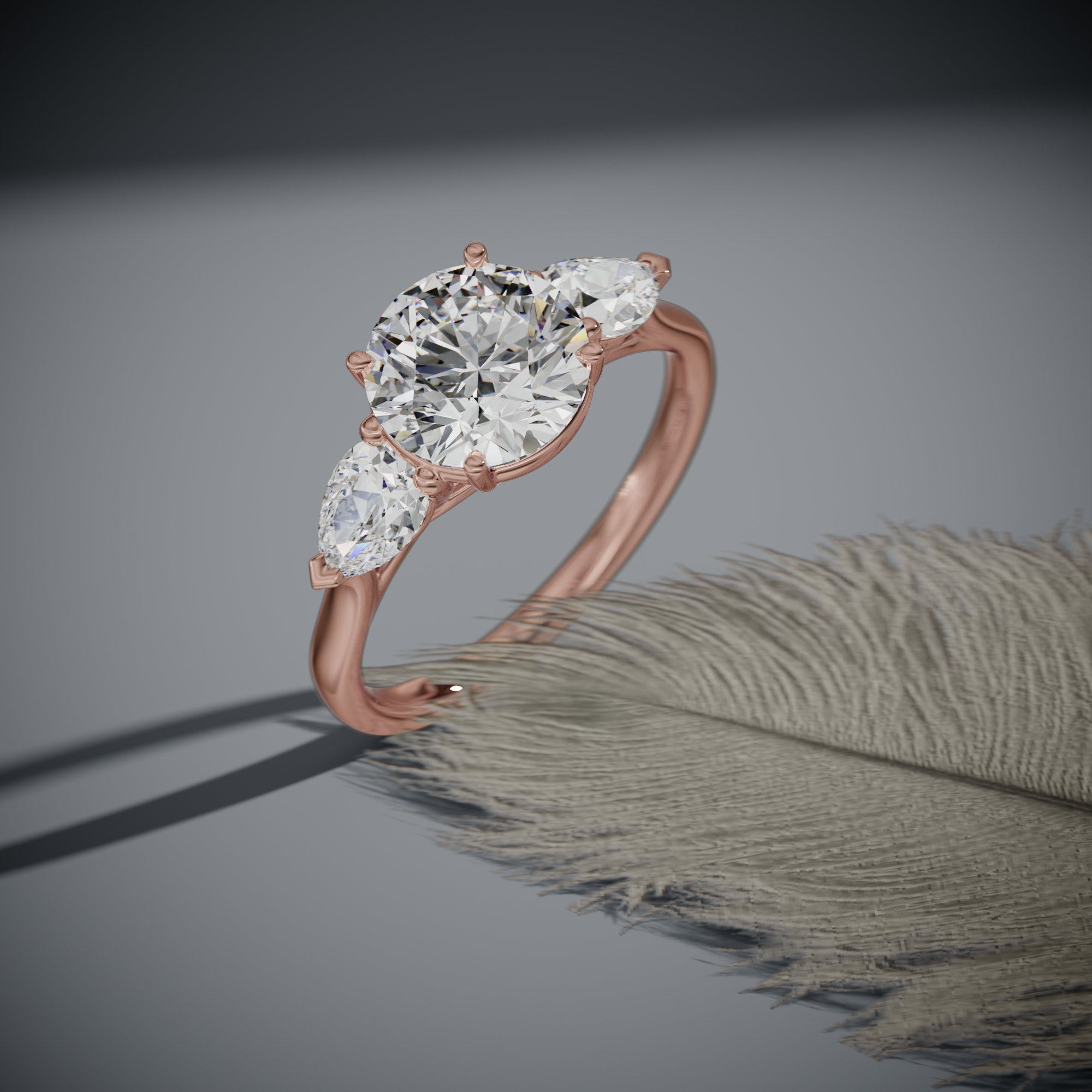
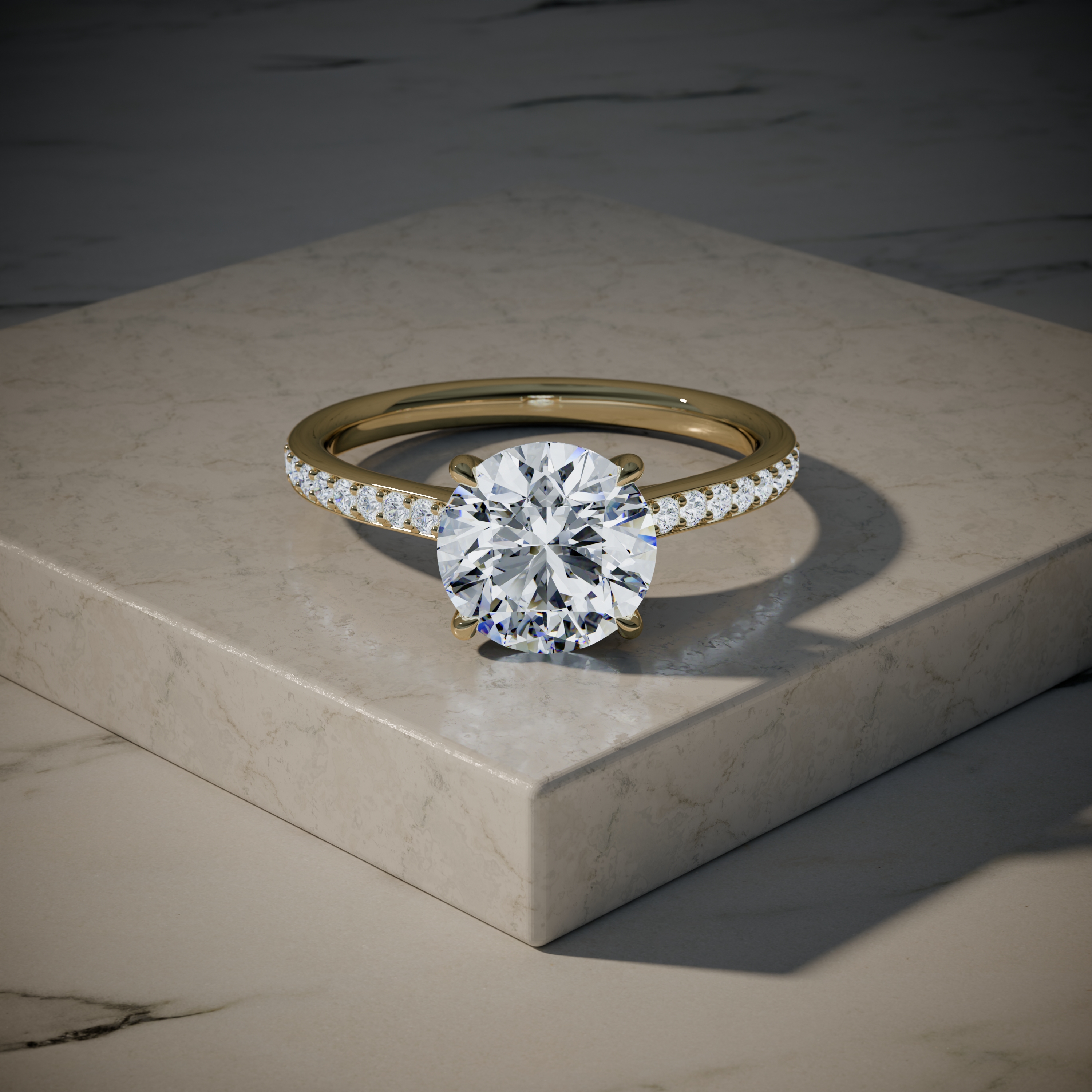
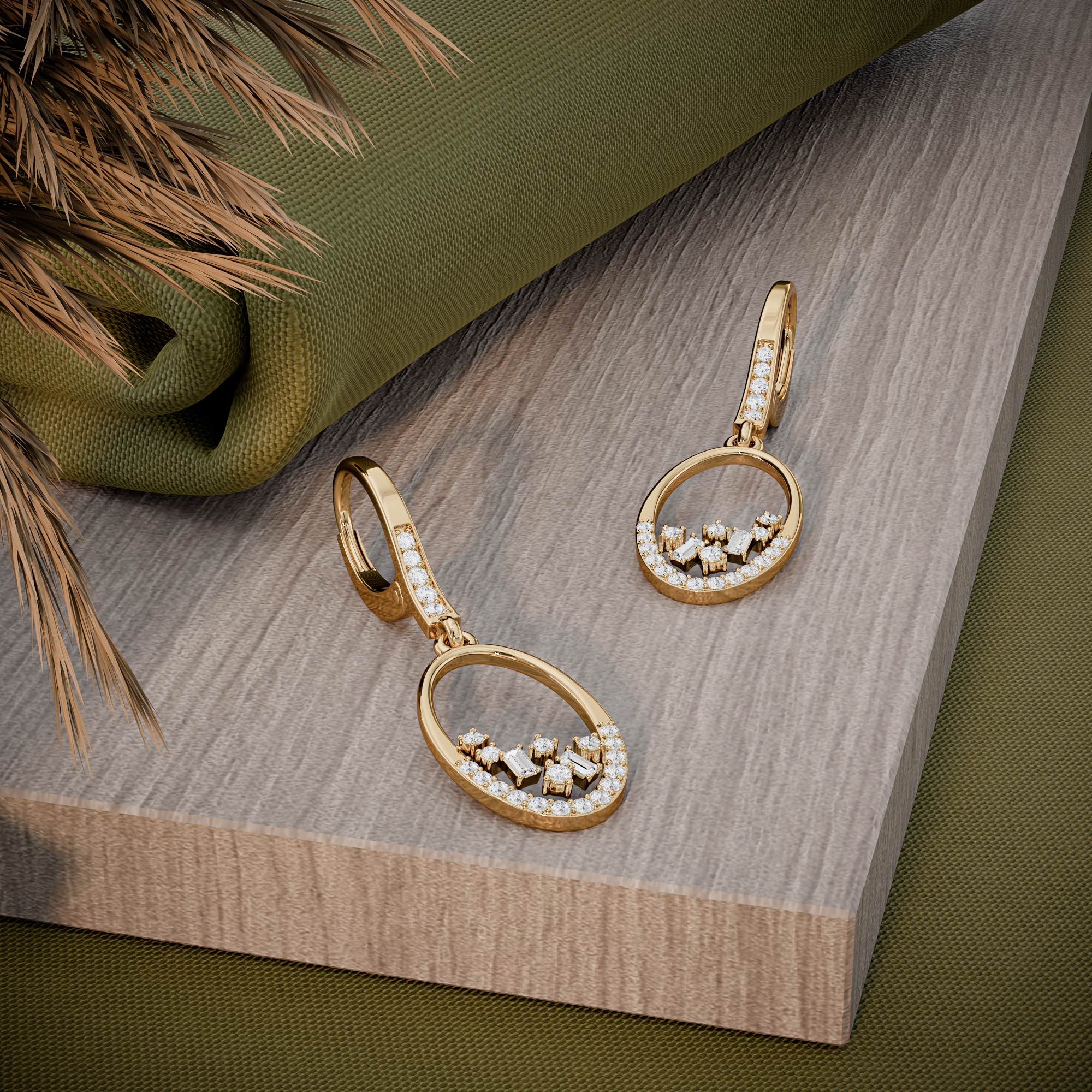
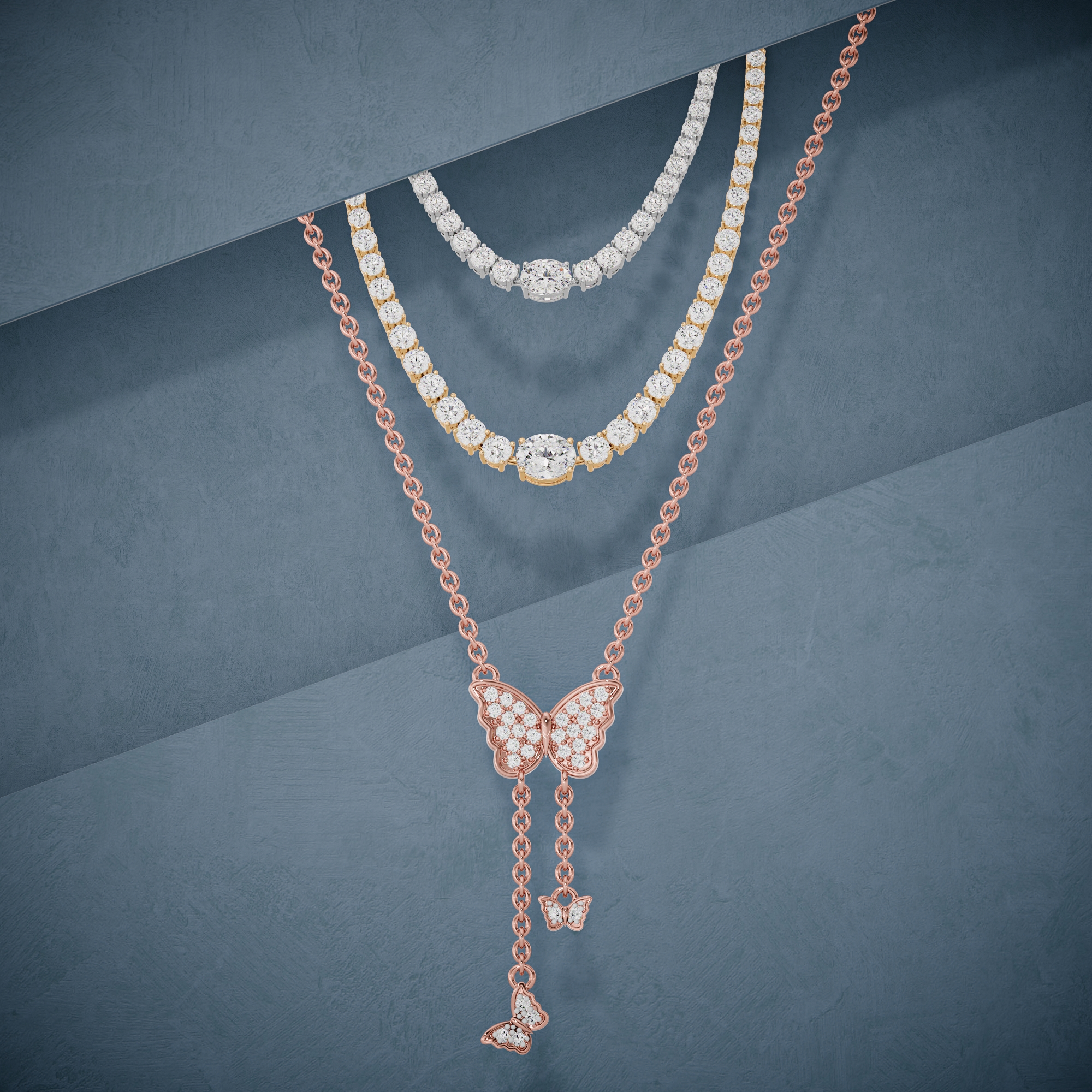
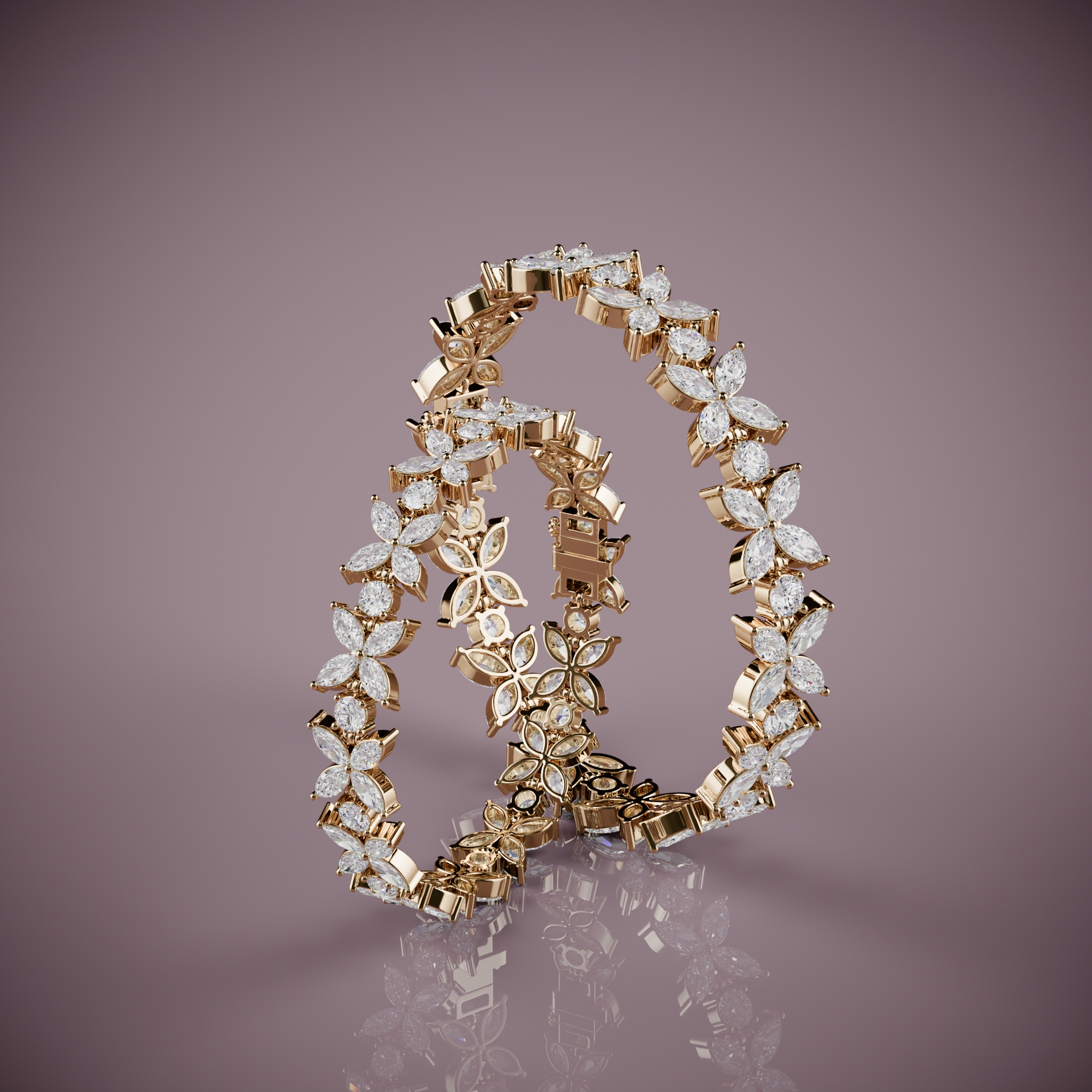
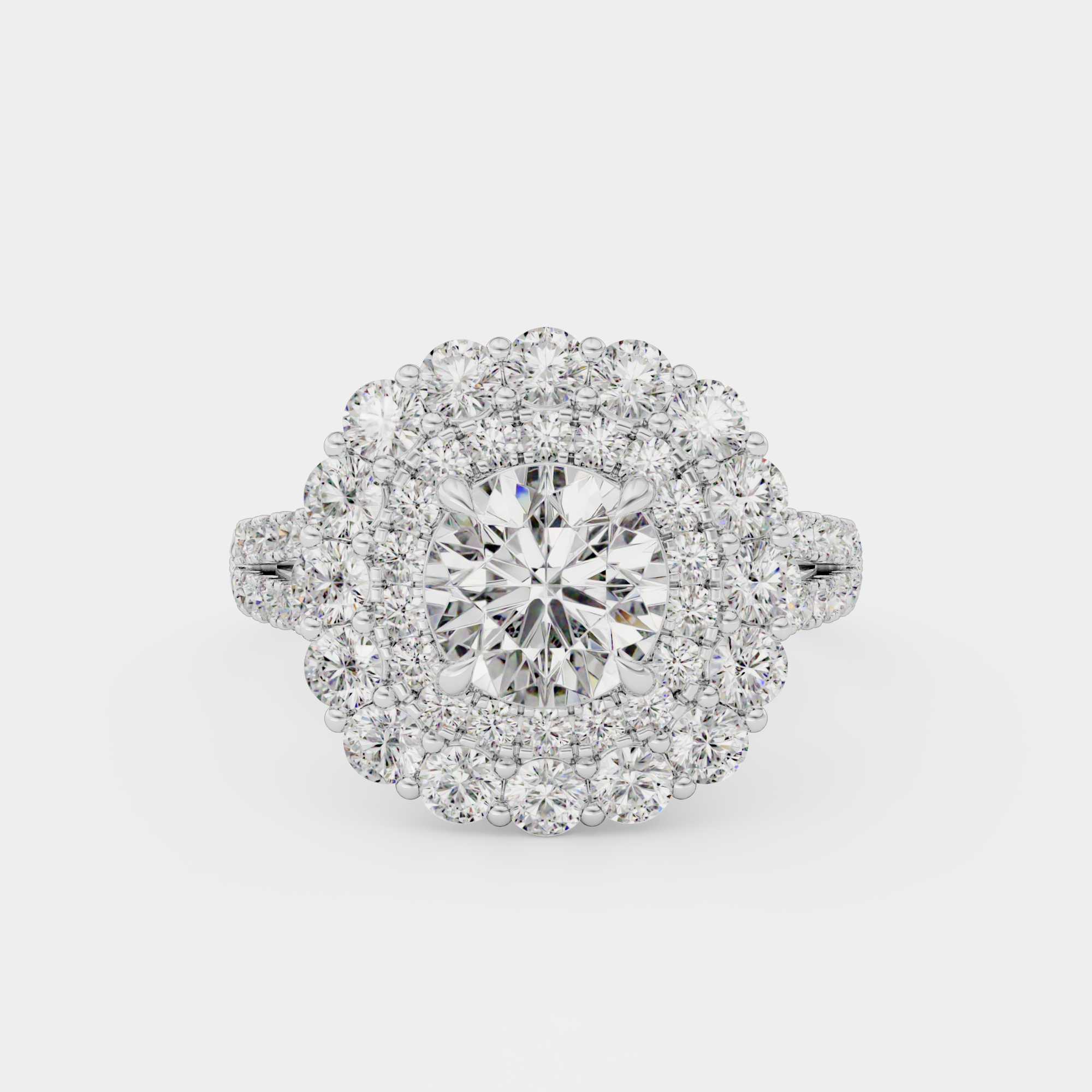
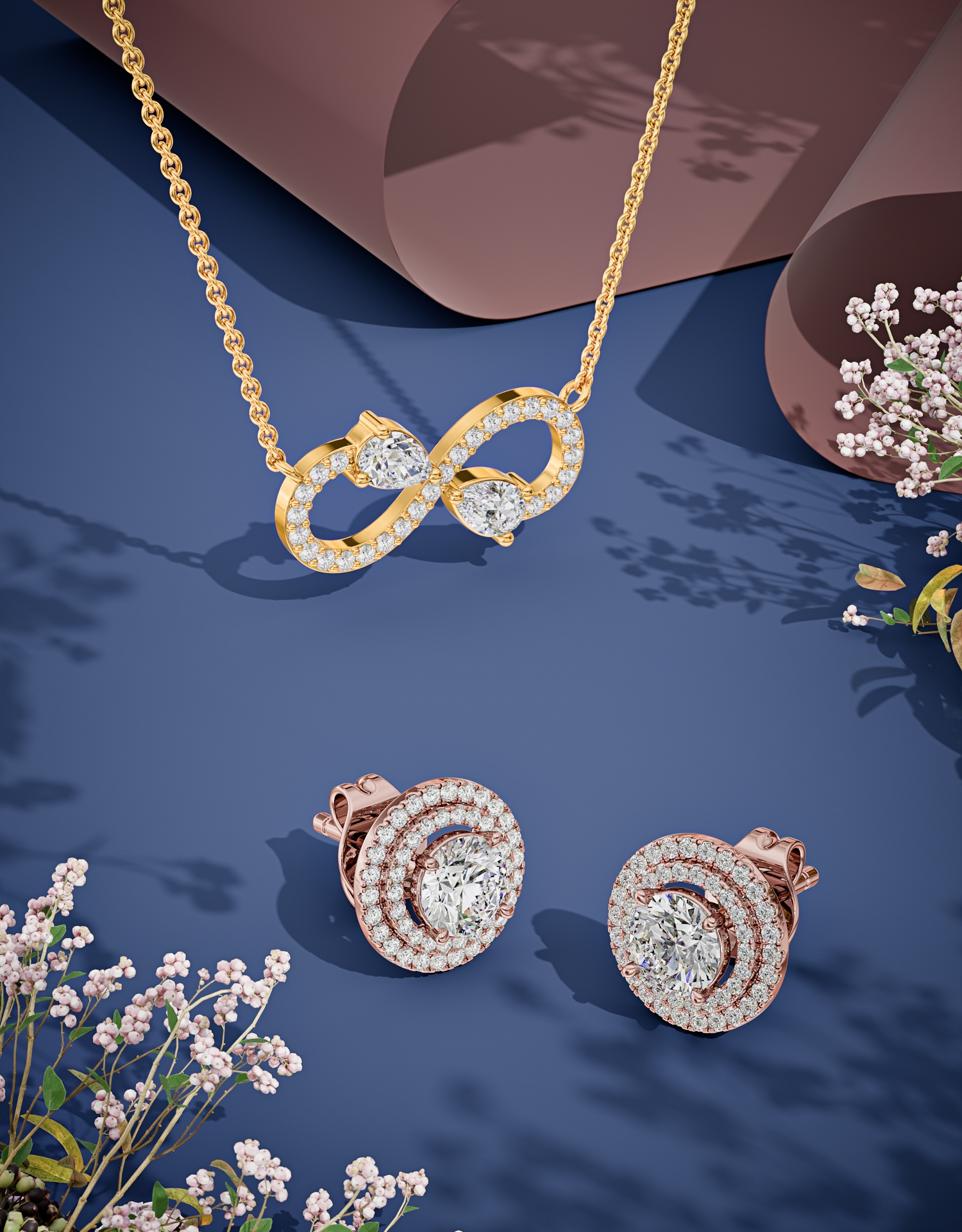
A photorealistic render sits before that step. The client sees the piece in rose, white, and yellow gold, turns it in a video, and either approves it or asks for a change while a change still only costs a file edit.
Common mistakes
Most casting problems trace back to geometry that was never checked properly. Walls too thin to fill, prongs too light to hold a stone, or a stone seat cut for the wrong girdle all show up after the metal has cooled.
Reviewing a render at full resolution catches shape problems early. It will not tell you about porosity or metal flow, but it will tell you whether the piece in front of you is the piece the client asked for.
Questions about Lost Wax Casting
Why is it called lost wax casting?
Because the wax model is destroyed in the process. It melts and burns out of the plaster, and the metal takes its place.
Can you render a design before casting it?
Yes, and that is the usual reason people order renders. We work from your CAD file, so you can show a finished-looking image to a client days before any wax is injected.
How long does a render take compared with a casting run?
Standard turnaround is 24 to 48 hours per file. A casting run involves mold making, wax injection, burnout, and finishing, so it takes considerably longer.