

White Gold
Also called 18k white gold, 14k white gold, white gold alloy, palladium white gold, nickel white gold White gold is gold alloyed with pale metals such as palladium, nickel, or silver to pull its color toward gray. It is not naturally white: 18k white gold is still 75 percent yellow gold, which is why nearly every piece is rhodium plated to finish it bright. In other words, it is yellow gold with the yellow diluted, not a different metal. The bright white surface most people picture is the plating on top of it.
White Gold
What makes gold white
Gold is yellow in its pure state, and nothing changes that. White gold is made by alloying it with metals pale enough to cancel the color, most often palladium, nickel, or silver, usually with zinc or copper in the mix as well.
Karat decides how much yellow is left to cancel. At 18k the piece is 75 percent gold, so the result stays a warm gray. At 14k it is 58.5 percent gold, which leaves more room for the white metals and can read slightly cooler in the bare alloy. Neither one is white the way a finished ring in a display case is white.
The alloy also decides how the piece behaves at the bench and against skin. Nickel is the harder and whiter option, and it is the reason some people react to a white gold ring, since nickel is a common contact allergen and its use in jewelry is restricted in the EU. Palladium is grayer without plating, softer to work, and more expensive.
- Nickel alloy: whiter and harder, a common cause of skin reaction
- Palladium alloy: naturally grayer, softer, costs more
- Silver, zinc, and copper: smaller parts of most commercial mixes
Why almost all white gold is rhodium plated
Because the metal underneath is not white enough to sell. A finished piece is dipped in rhodium, a hard, bright, tarnish-resistant member of the platinum group, and that coating is what gives the neutral white surface buyers expect from the category.
The plating wears, and it wears where the piece touches a hand. A ring dulls to warm gray at the back of the shank while the top still looks new, which is why rings need replating long before earrings or pendants do. Nothing has gone wrong when that happens. The alloy underneath is simply showing.
The hallmark will not tell you which version you have. White gold is stamped by gold content, 750 for 18k and 585 for 14k, exactly as yellow gold of the same karat is. Nothing in the mark says nickel or palladium, and nothing says whether the piece is plated.
White gold vs platinum
Platinum is a different element, white all the way through, so it never needs plating and never warms up as it wears. White gold is gold with a white finish applied to it. That one difference drives most of the rest of the comparison.
Platinum is also much denser, roughly a quarter to a third heavier than 18k white gold for the same ring, depending on the alloys. It takes more grams and more bench time, which is why the finished piece costs more even in years when platinum trades below gold per gram. The metal price is not the reason people assume it is.
They age differently too. Platinum scratches by displacing metal rather than losing it, so it builds a satin patina that plenty of buyers prefer to a polish. White gold holds its bright finish only as long as the rhodium does. Neither is low maintenance. They are different maintenance.
- Platinum: white throughout, no plating, denser, patinas with wear
- White gold: gold alloy, plated to finish, lighter, replated to stay bright
- Yellow gold at the same karat: identical gold content, no plating step
What white gold means for a render
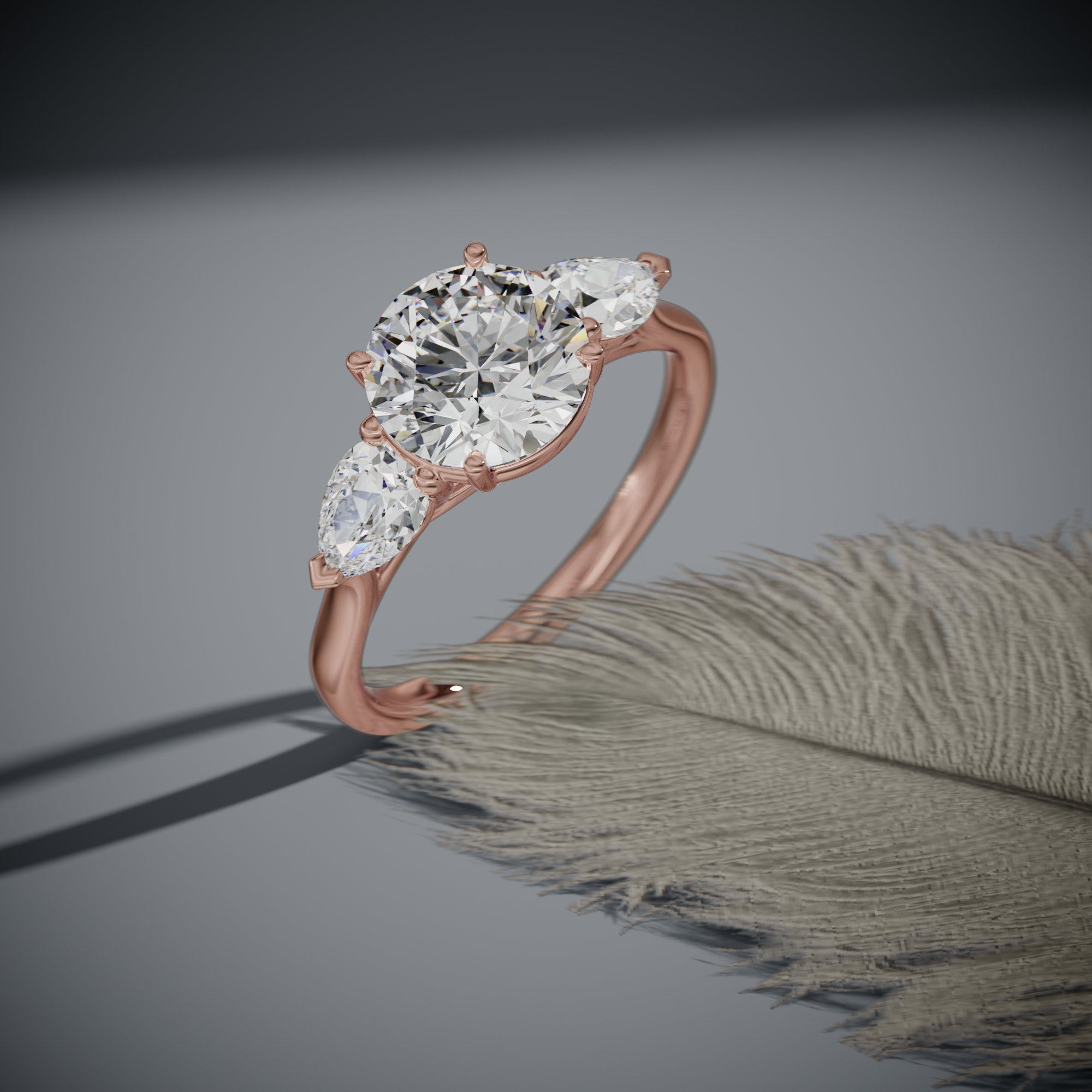
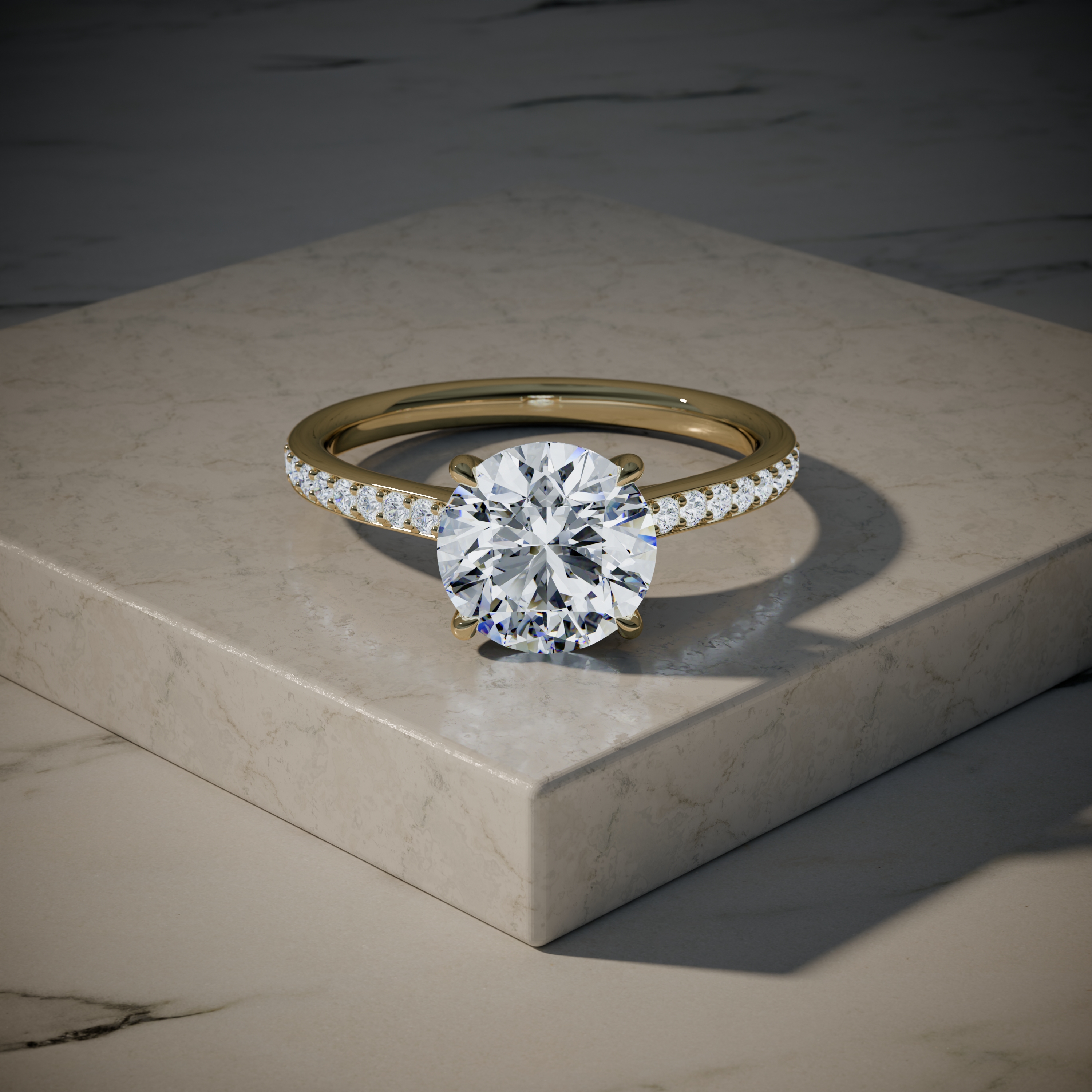
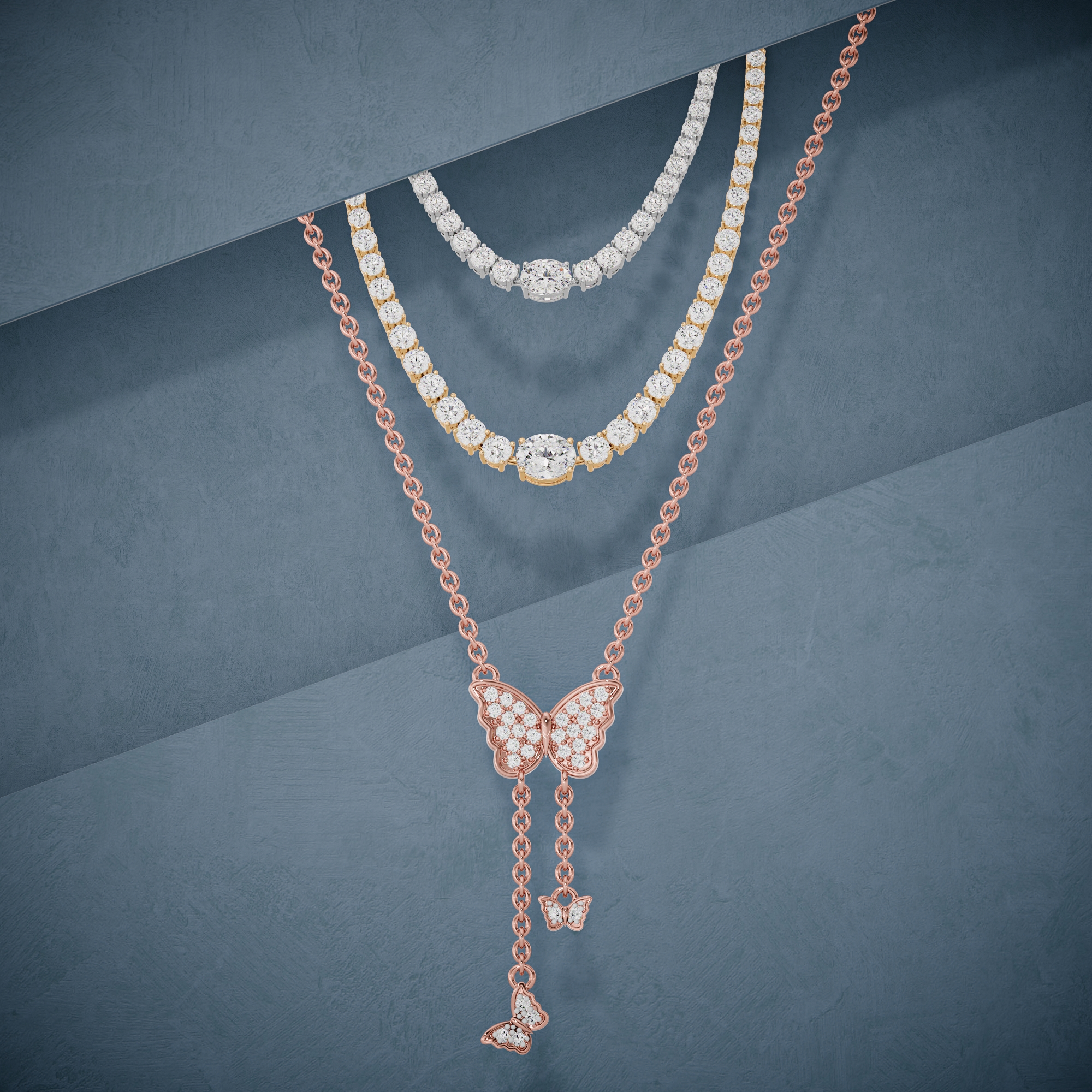
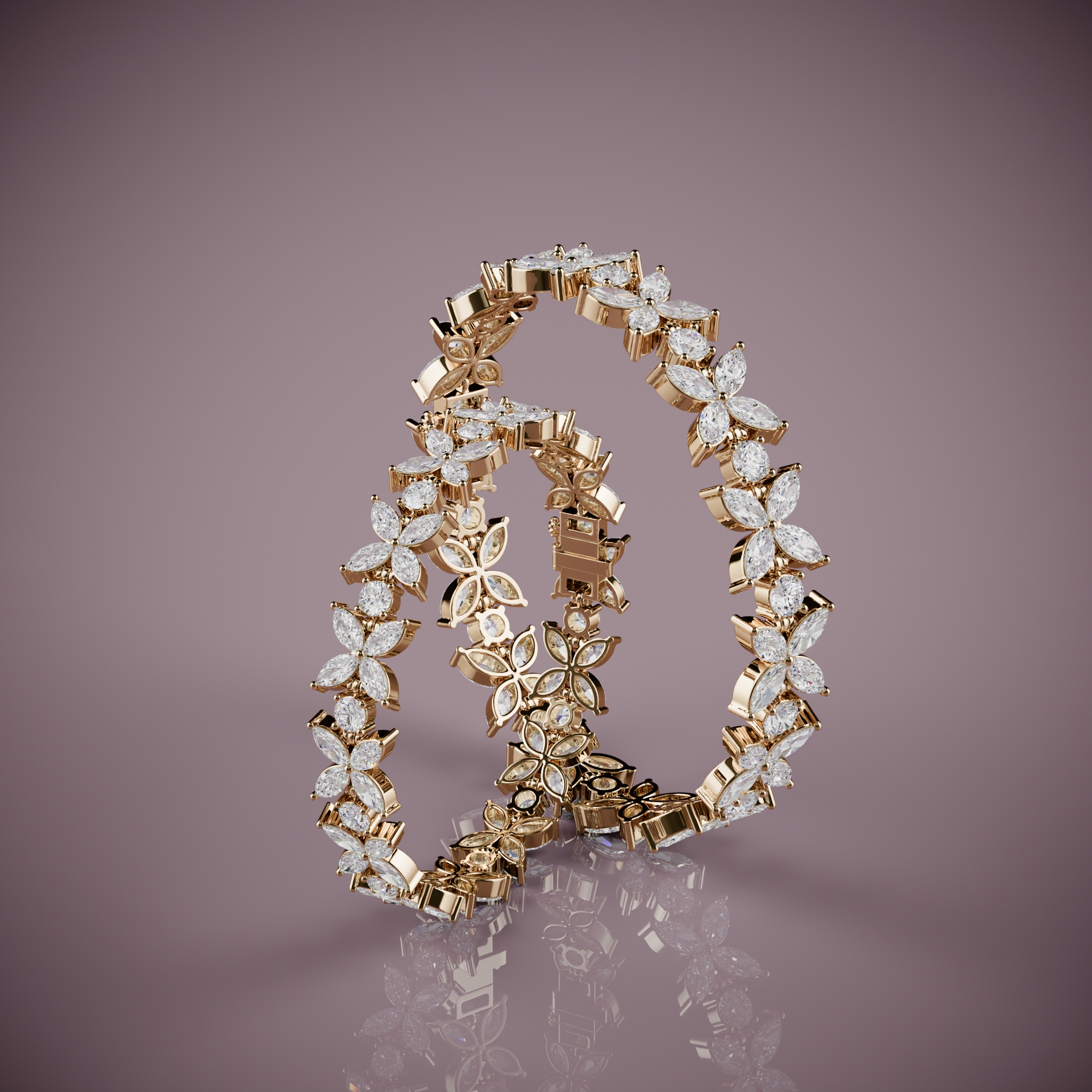
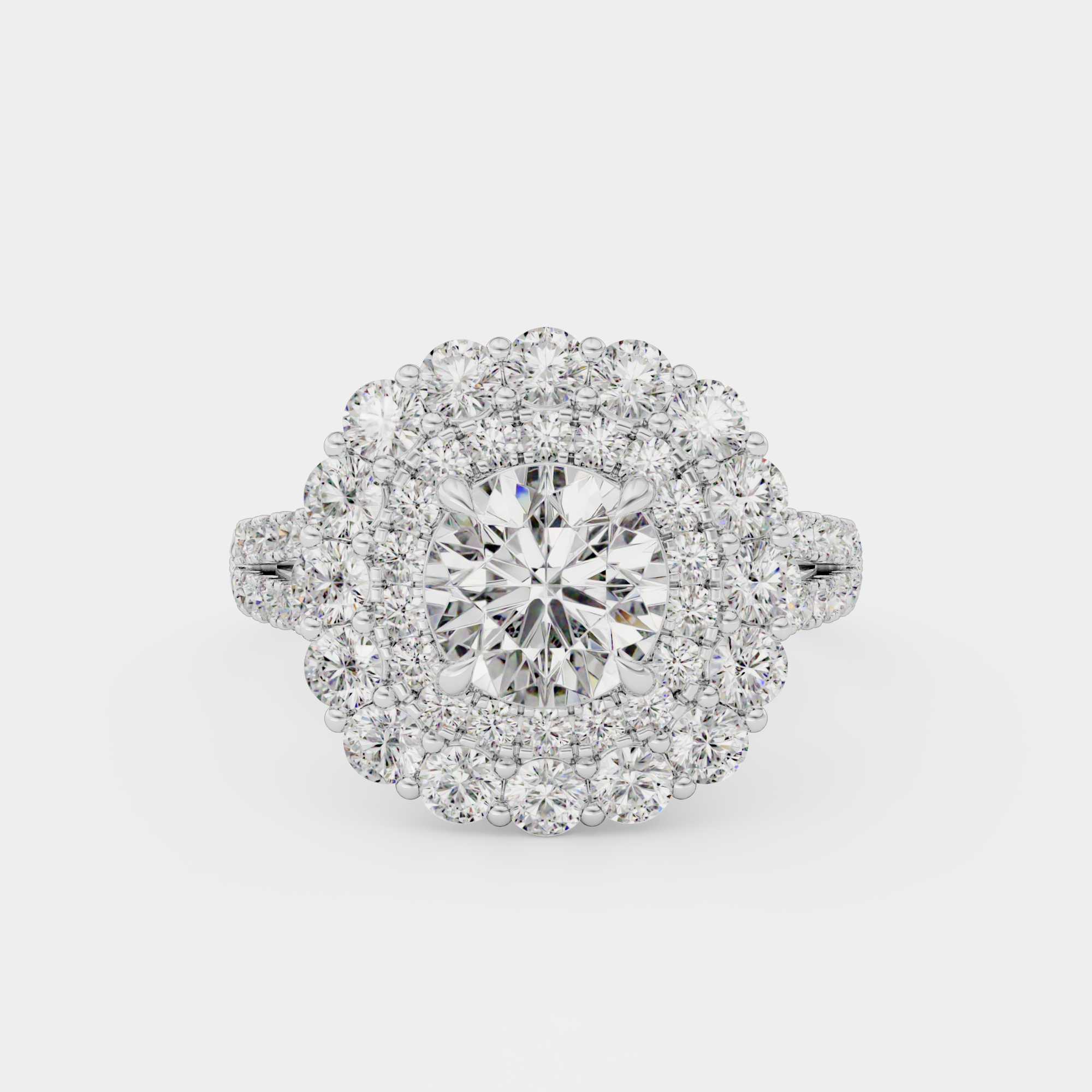
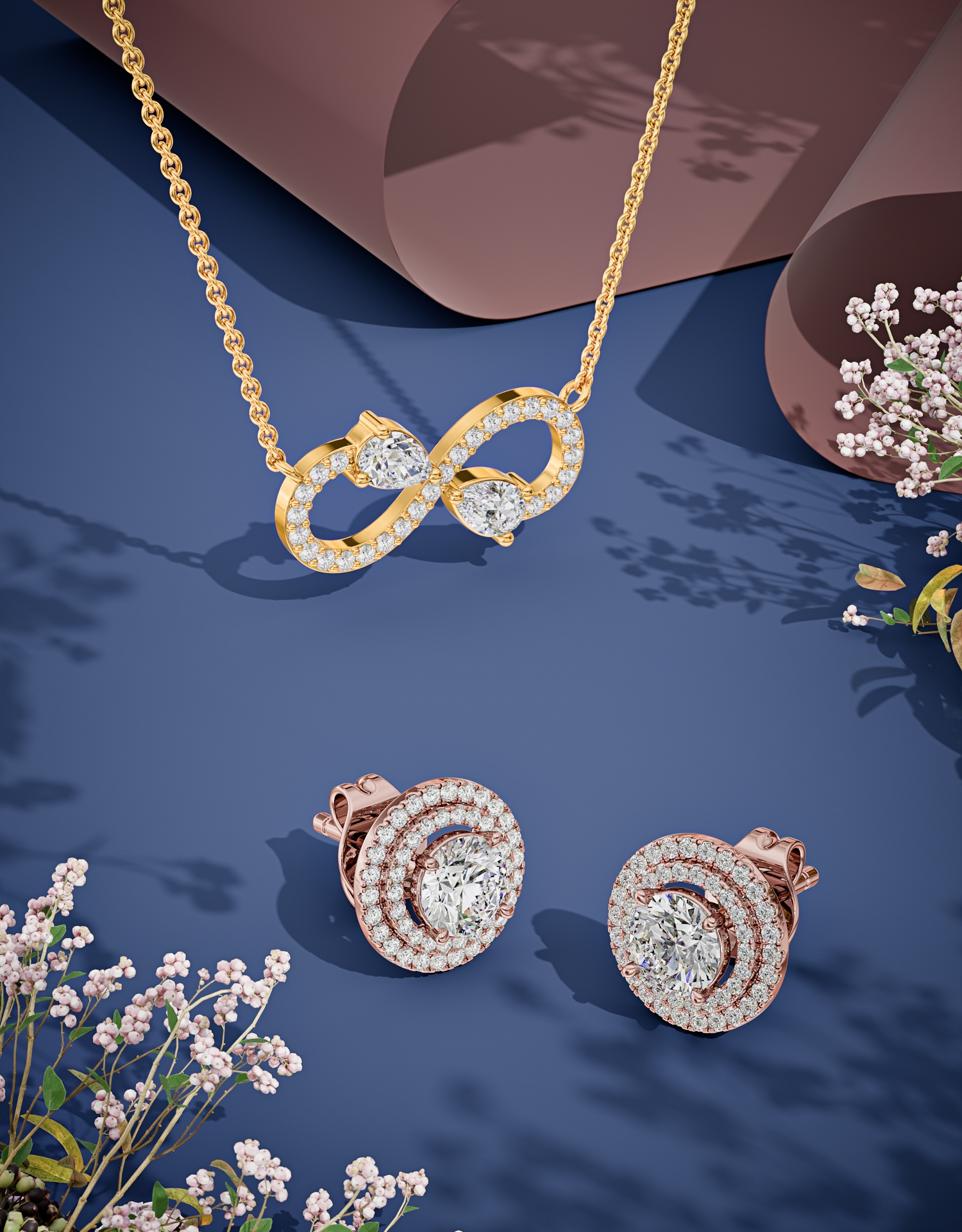
A white metal has almost no color of its own, so a render of it is largely a picture of its surroundings. Yellow and rose gold carry their color into the image and stay recognizable even under poor lighting. White gold does not, which makes it the metal that exposes a weak lighting setup first and the reason budget renders so often show it as flat gray plastic.
It also means white gold and platinum are effectively the same image. Both are neutral white metals under the same light, and no still render can honestly tell a buyer which of the two is in the box. If a listing needs that distinction, it belongs in the specification and the copy, not in a second render paid for separately.
Tell us whether the piece is plated or bare, because that difference is visible and worth getting right. Rhodium reads bright and neutral, unplated white gold reads warm gray. From one CAD file, an order returns 9 HD images, 3 of them white gold alongside rose and yellow, at 3000 x 3000 px or larger on a white background and ready for a product page.
Questions about White Gold
What is white gold made of?
White gold is gold alloyed with pale metals, most often palladium, nickel, or silver, with zinc or copper usually in the mix. The proportions follow the karat, so 18k white gold is 75 percent gold and the remaining quarter does the whitening.
Is white gold real gold?
Yes. White gold of a given karat holds exactly the same gold content as yellow gold of that karat, so 18k white and 18k yellow are both 75 percent gold. Only the alloying metals and the surface finish differ.
What is the difference between white gold and yellow gold?
The alloy, not the gold. Both reach the same purity at the same karat. Yellow gold is alloyed with copper and silver that leave the color alone, white gold is alloyed with pale metals that cancel it, and white gold then takes a rhodium finish that yellow gold has no use for.
Is white gold better than platinum?
Neither is better. They fail differently. Platinum is white throughout and never needs plating, but the finished piece costs more and dulls to a satin patina. White gold costs less and stays brighter, provided it is replated when the rhodium wears through.