Karat (Gold Purity)
Also called carat gold, gold purity, kt
Karat is a measure of gold purity expressed in 24 parts, so 24k is pure gold and 18k is 18 parts gold to 6 parts other metals. The remaining parts are alloy metals such as copper, silver, and palladium, and those metals are what give a piece its rose, white, or yellow colour.
In other words, it tells you how much of the metal is actually gold. The lower the number, the more of the piece is made of other metals mixed in.
What each karat number means
Karat is a ratio, not a weight. Divide the karat number by 24 to get the share of pure gold in the metal.
Karat is often confused with carat, which is a stone weight. They sound the same and are spelled the same way in some markets, so many sellers write 18kt for metal and 1.00ct for the diamond to keep them apart.
- 24k: 100% gold. Soft, deep yellow, rarely used for stone-set jewelry.
- 22k: 91.7% gold. Common in Indian and Middle Eastern markets.
- 18k: 75% gold. The usual choice for fine jewelry with stones.
- 14k: 58.3% gold. Harder and cheaper, standard in much of the US market.
- 10k: 41.7% gold. The lowest that can legally be called gold in the US.
- 9k: 37.5% gold. Sold as gold in the UK, Australia, and parts of Europe.
How karat changes the colour
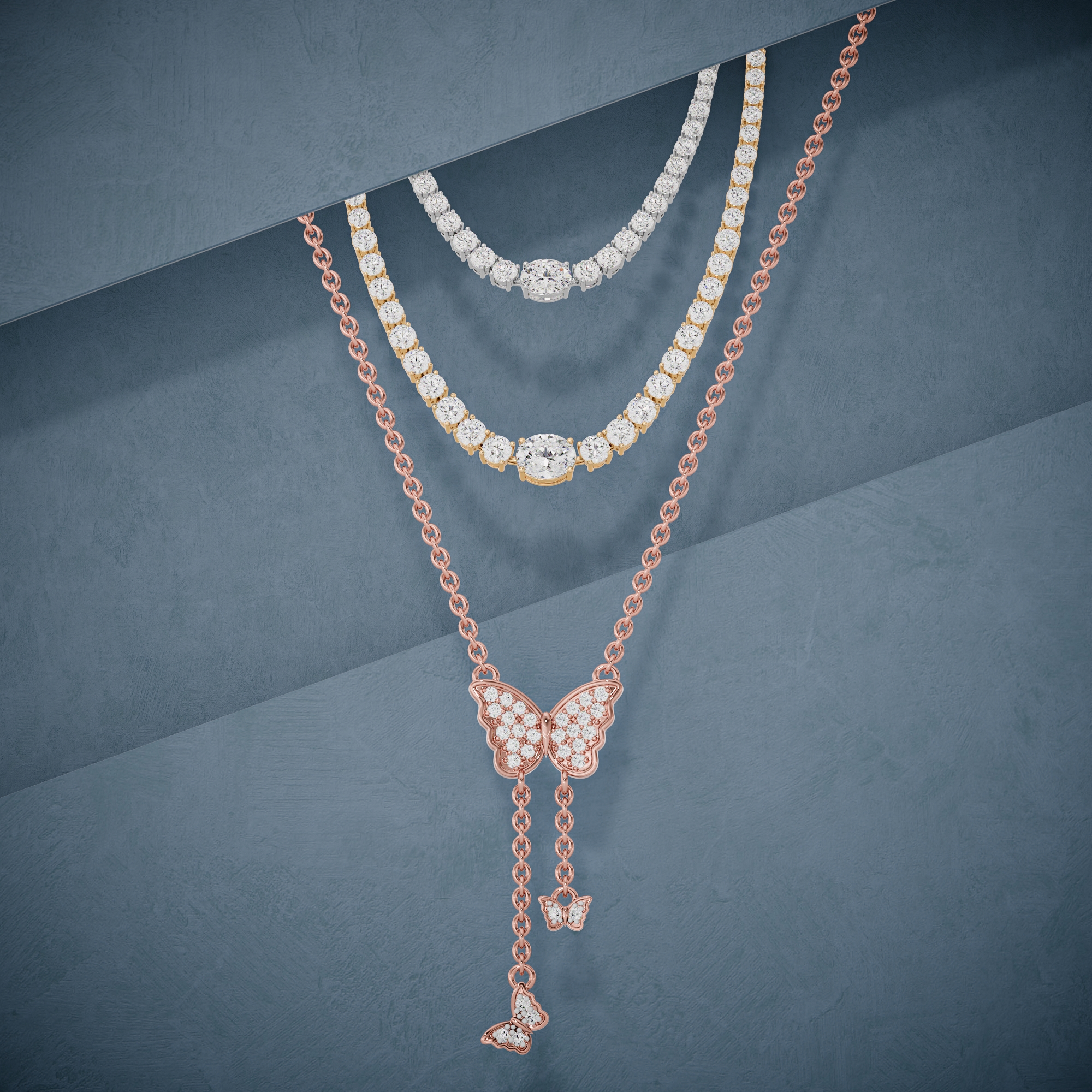
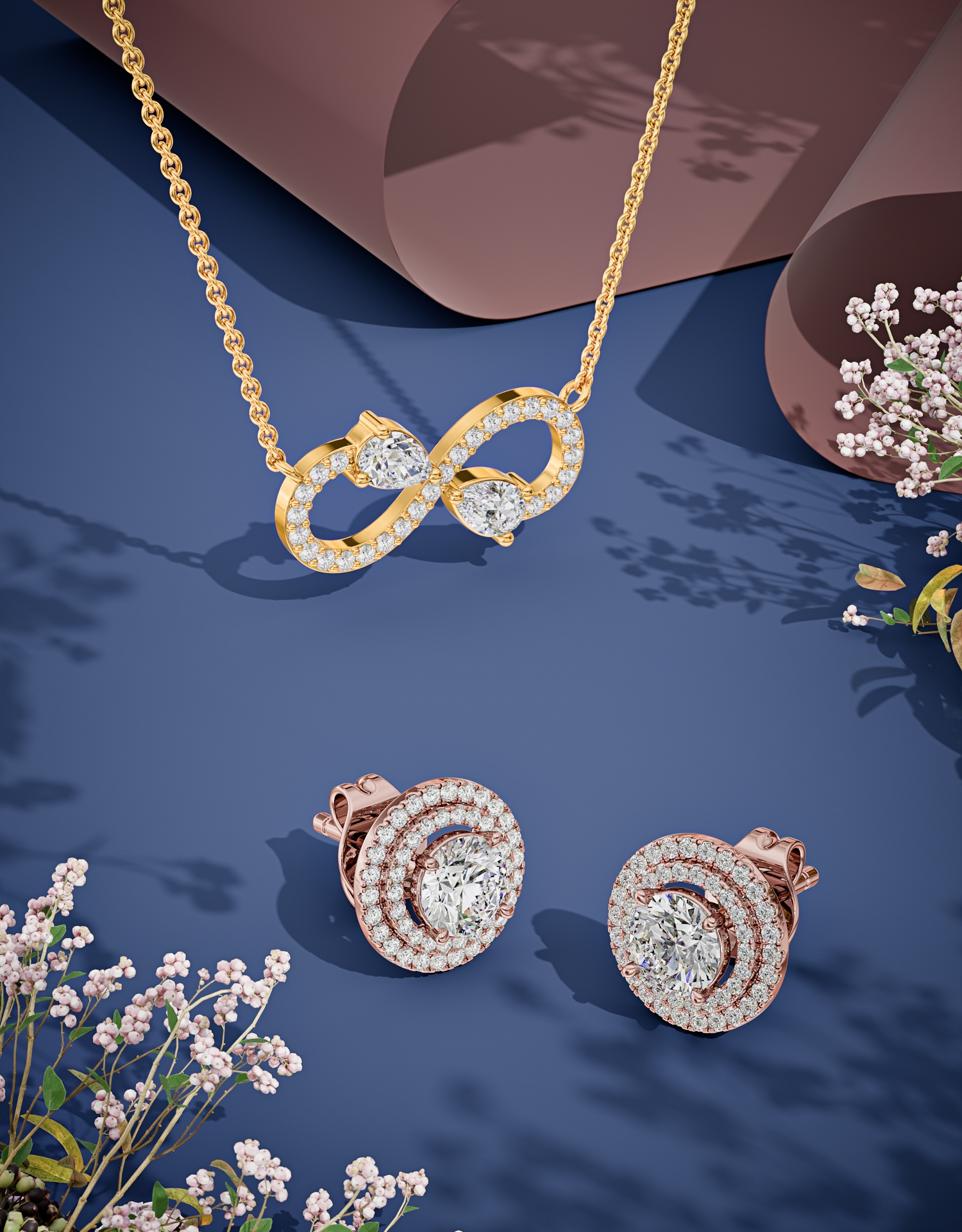
The alloy does the colouring. Copper pushes gold toward red, so rose gold is gold with a high copper share. Palladium, nickel, or silver pull it toward grey, which is how white gold is made. Yellow gold keeps a balance of copper and silver.
This is why the same 18k number can look different from two suppliers. Their alloy recipes are not identical, and a 14k yellow reads paler than an 18k yellow because there is less gold in it.
Why it matters for rendering
A render has to be told the karat and the colour, because the CAD file carries shape only. It has no metal information in it at all.
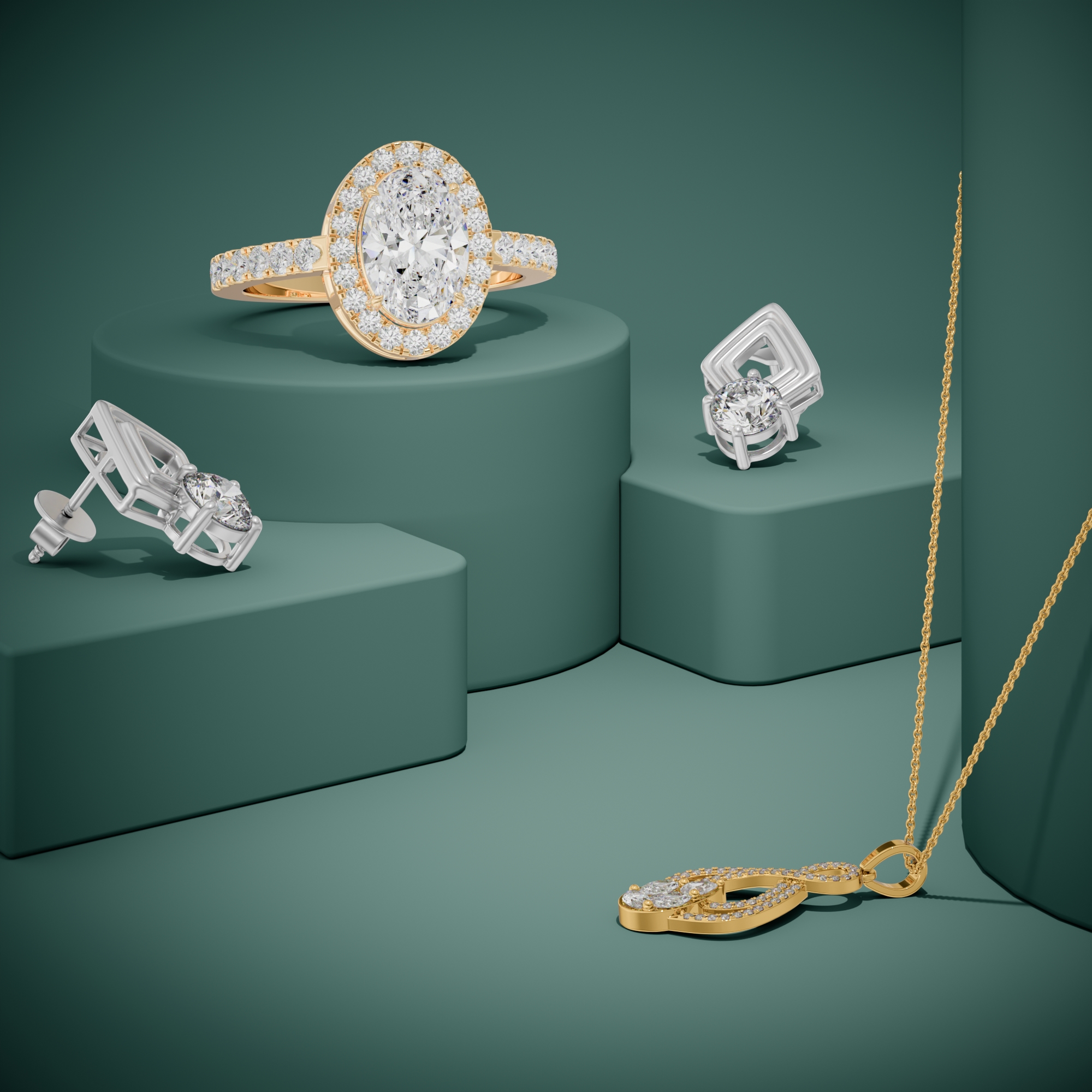
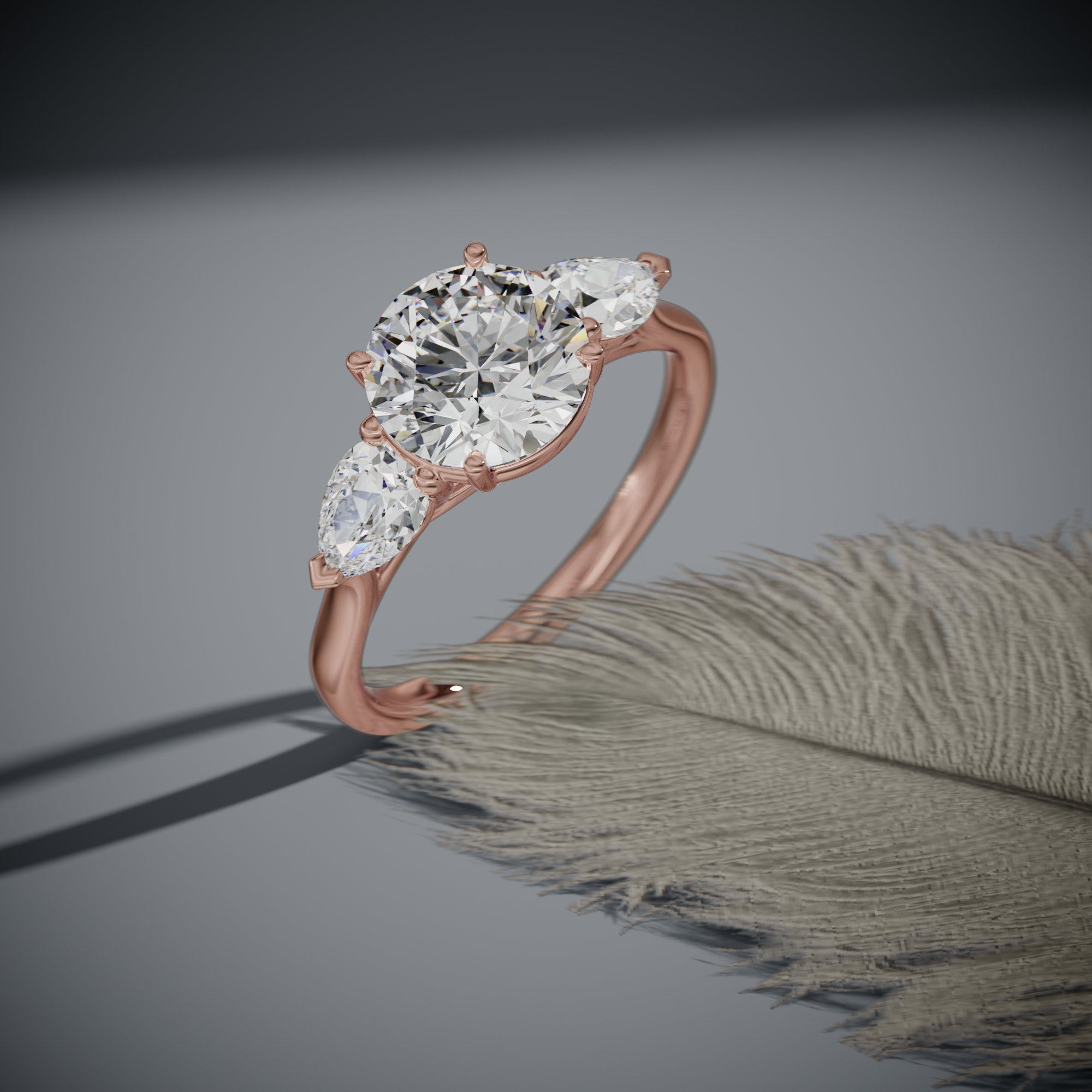
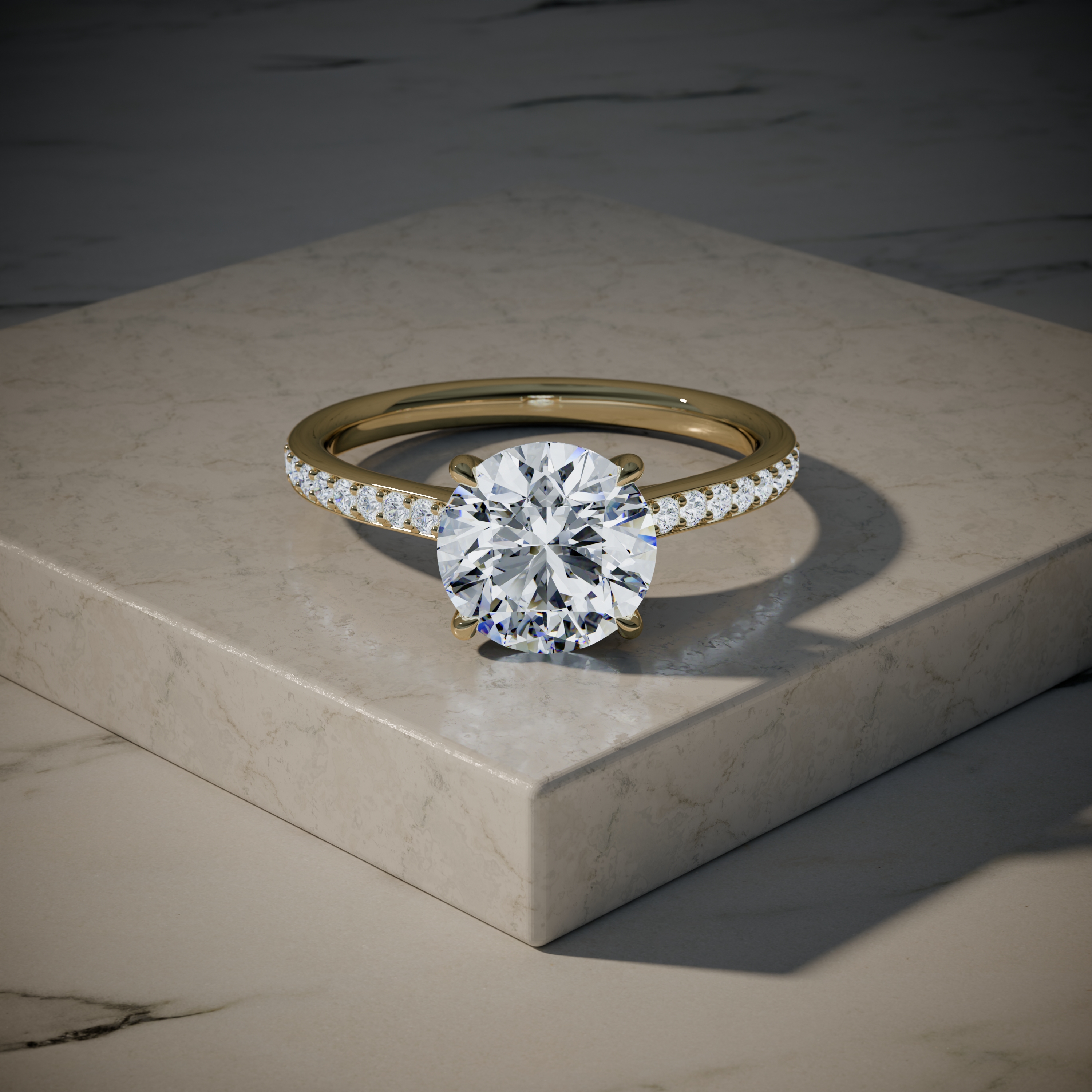
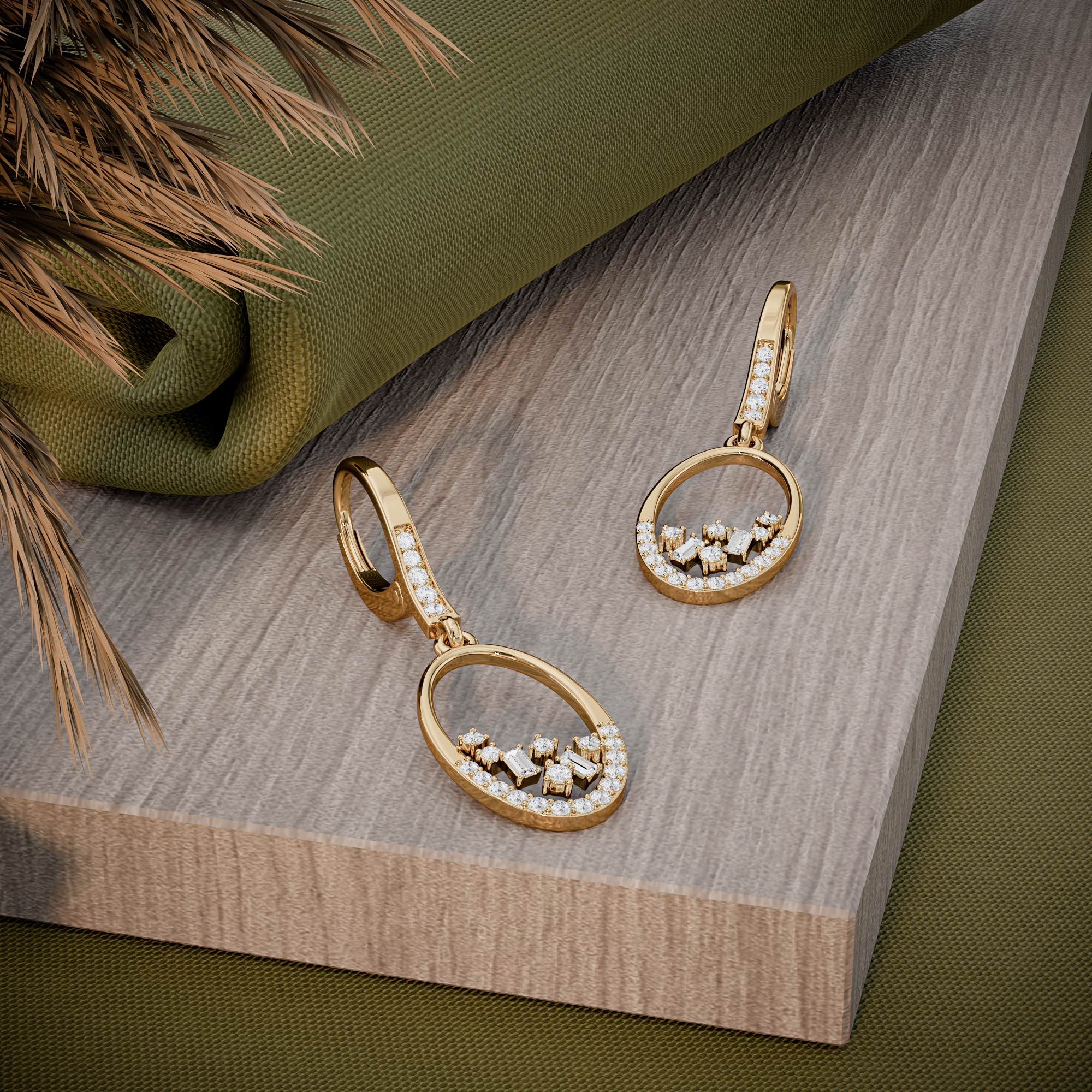
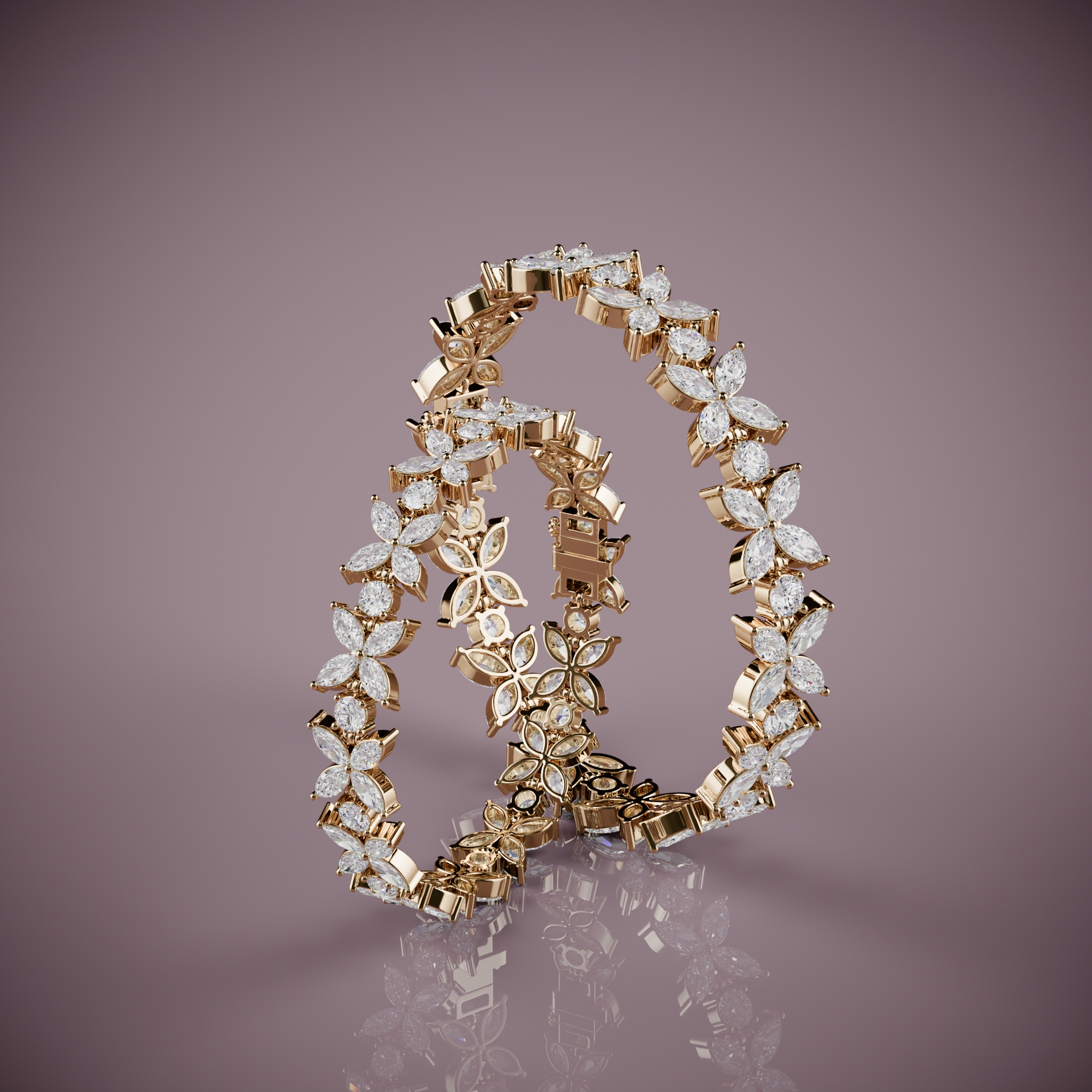
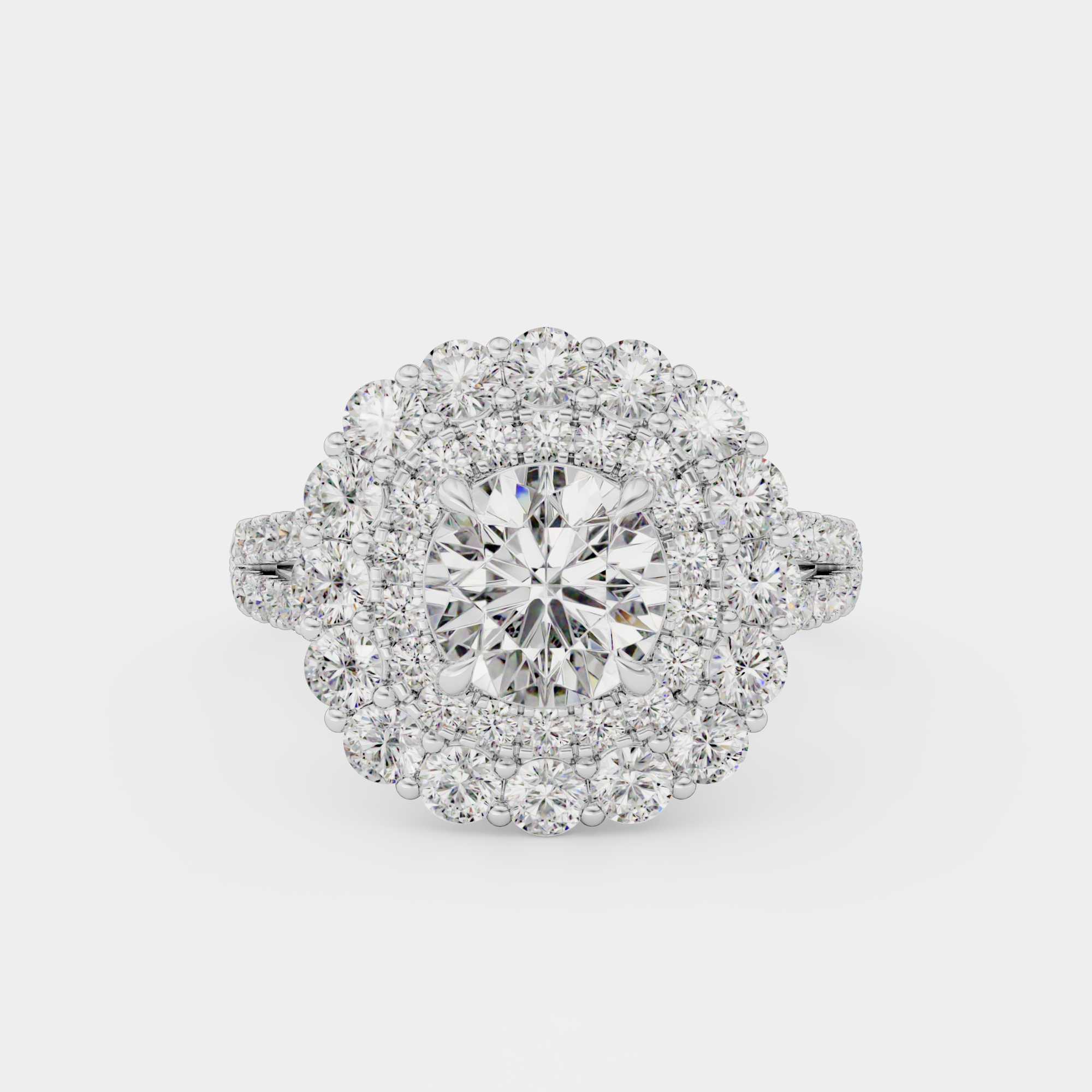
We return every file in rose, white, and yellow gold, so one CAD file gives you three metal options on the listing without a second order. If your catalog is 14k rather than 18k, say so when you send the file and we can set the tone to match your real product photography.
What to tell us with your file
Two lines are enough: the karat you sell in, and whether the finish is polished, brushed, or matte. Polish level changes the render far more than most people expect, because a high polish mirrors the studio lighting and a brushed finish scatters it.
Questions about Karat
Is 14k or 18k better?
Neither is better, they trade off differently. 18k has more gold and a richer colour, while 14k is harder and holds up better to daily wear.
Do you render in all three gold colours?
Yes. Every CAD file we render comes back in rose, white, and yellow gold as part of the flat $15 price.
Is karat the same as carat?
No. Karat measures gold purity out of 24 parts. Carat measures the weight of a gemstone.