Cut Grade
Also called diamond cut quality, cut grading
Cut grade is a score for how well a diamond's proportions, symmetry, and polish return light to the eye. GIA grades round brilliants from Excellent through Very Good, Good, and Fair to Poor. It rates workmanship, not the shape of the stone.
In other words, a rating for how skilfully the stone was cut, which is what decides whether it sparkles or looks flat.
Cut grade is not shape
People use the word cut for two different things. Round brilliant, princess, and emerald are shapes. Excellent, Very Good, and Good are cut grades. A princess cut diamond can be well cut or badly cut, and the shape name tells you nothing about which.
GIA publishes a cut grade for round brilliants. Fancy shapes are given polish and symmetry grades, but no single overall cut grade on the same scale, because there is no one agreed set of ideal proportions for them.
Why it decides how a render looks
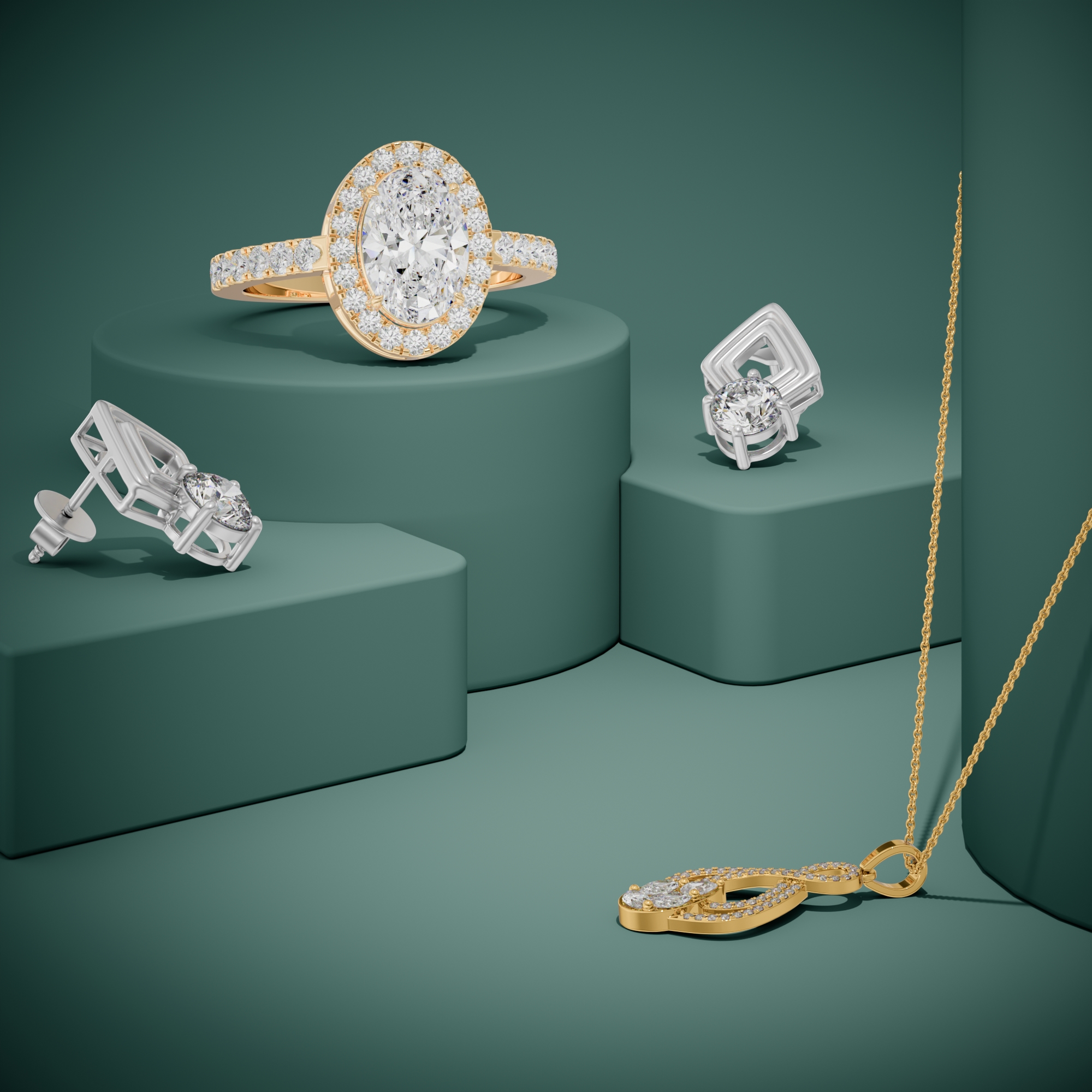
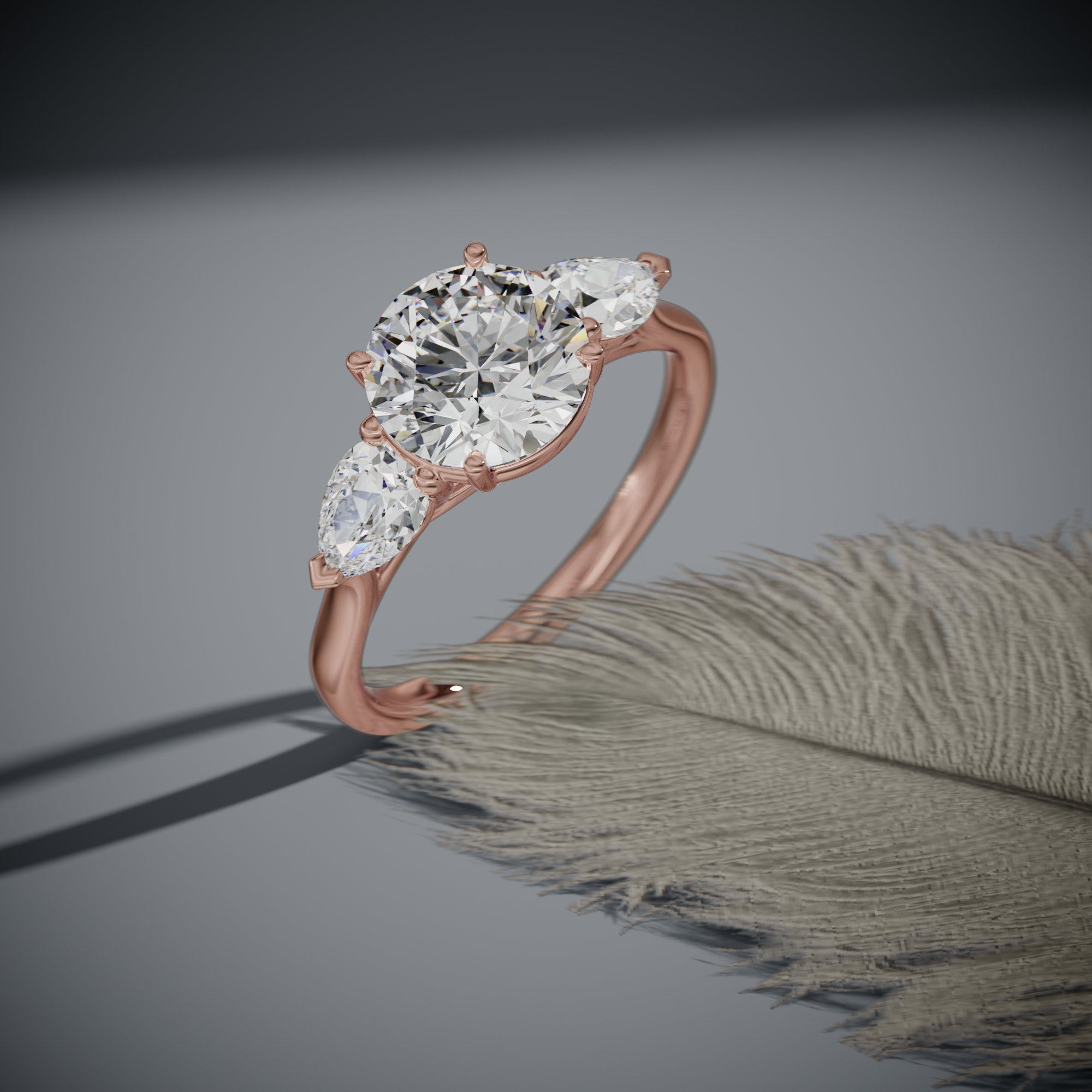
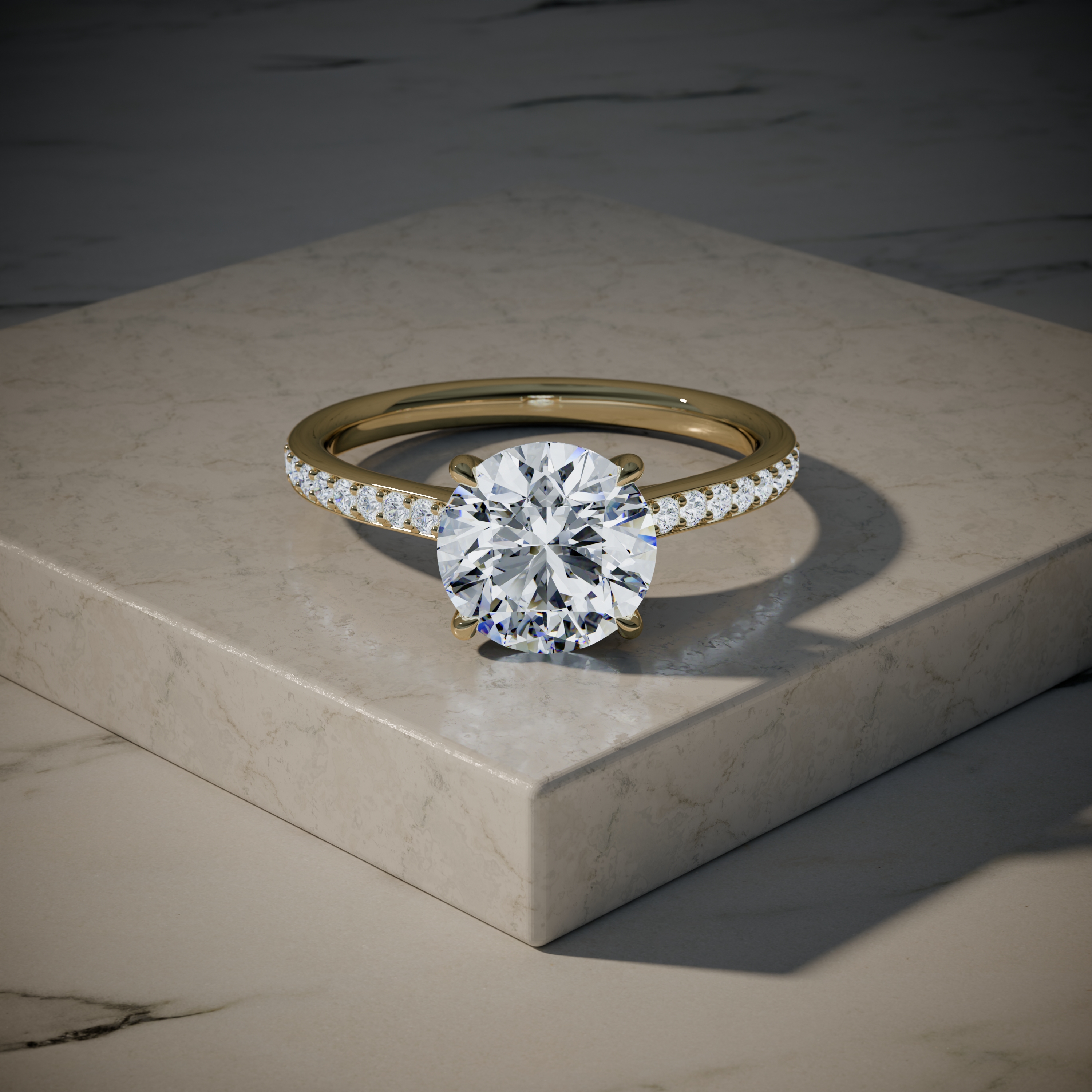
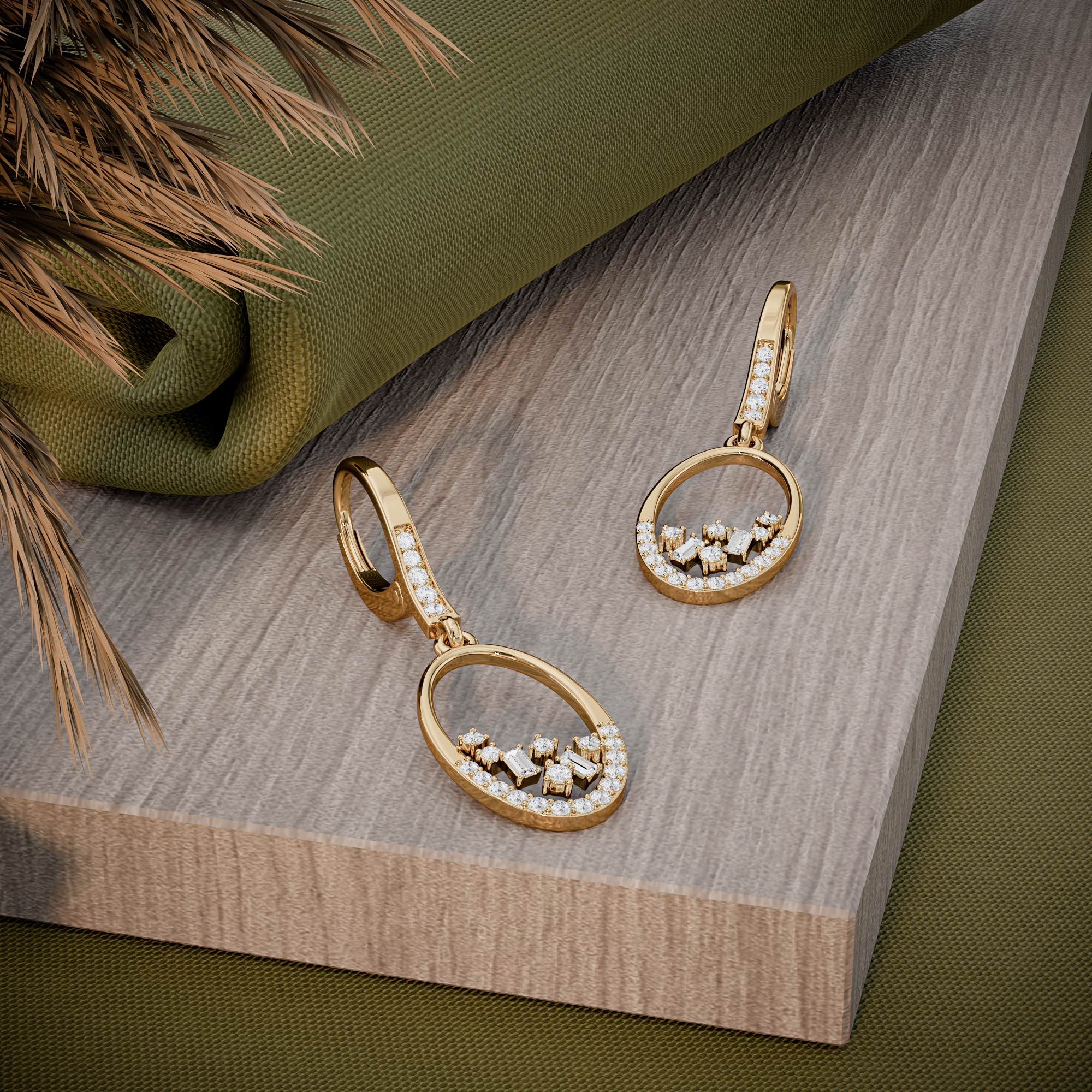
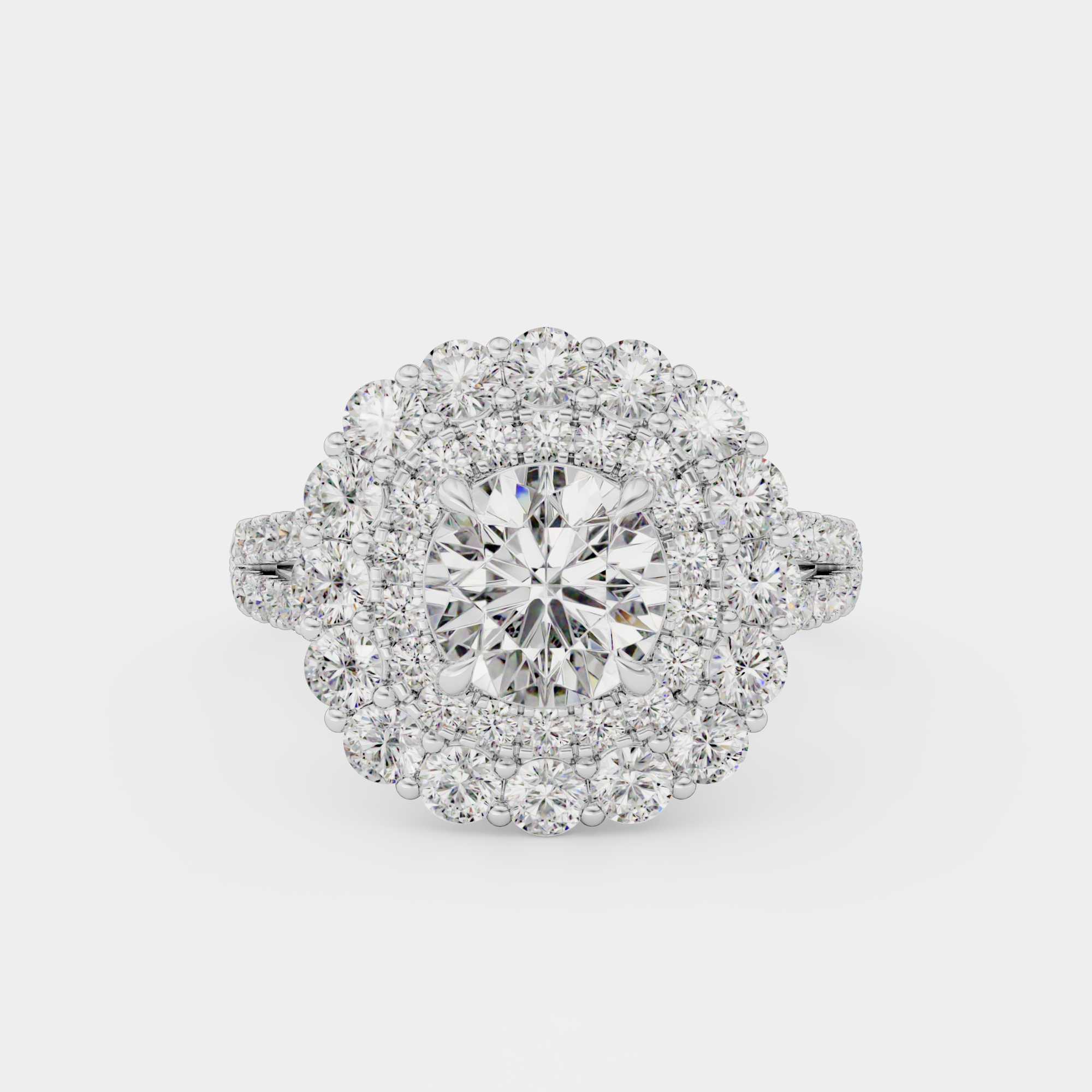
Cut quality is the one C you can actually see in an image. Light return, the contrast pattern under the table, and the flashes of colour all come from how the facets are angled.
We model stones with correct facet geometry rather than dropping in a generic shiny shape, because a stone with the wrong pavilion angle reads dead even in a good lighting setup. If your CAD ships with placeholder stones, we replace them so the sparkle in the picture is the sparkle the cut would actually give.
Questions about Cut Grade
Is Excellent cut worth paying for?
For round brilliants it usually is, because cut is what a buyer notices first in a photo or in person. On fancy shapes there is no equivalent single grade, so judge those on how the stone looks.
Does cut grade change the render?
It changes how much light the stone throws. We build correct facet geometry so the light return in the image matches what the cut would really do.