
Average Order Value (AOV)
Also called AOV, average basket value
Average order value is a retail metric that shows what a typical order is worth. You calculate it by dividing total revenue by the number of orders over the same period, which tells you whether shoppers are buying up or buying the cheapest option.
In other words, take your sales for a month and divide by how many orders made up those sales. That number is your AOV.
How to read the number
AOV on its own says little. It is useful next to your traffic and conversion numbers, because the three together explain where revenue is actually coming from.
In jewelry it is often the mix that moves it. If shoppers keep choosing the smallest stone or the plain band, the higher-priced options are not being presented convincingly enough to justify the jump.
Where imagery comes into it
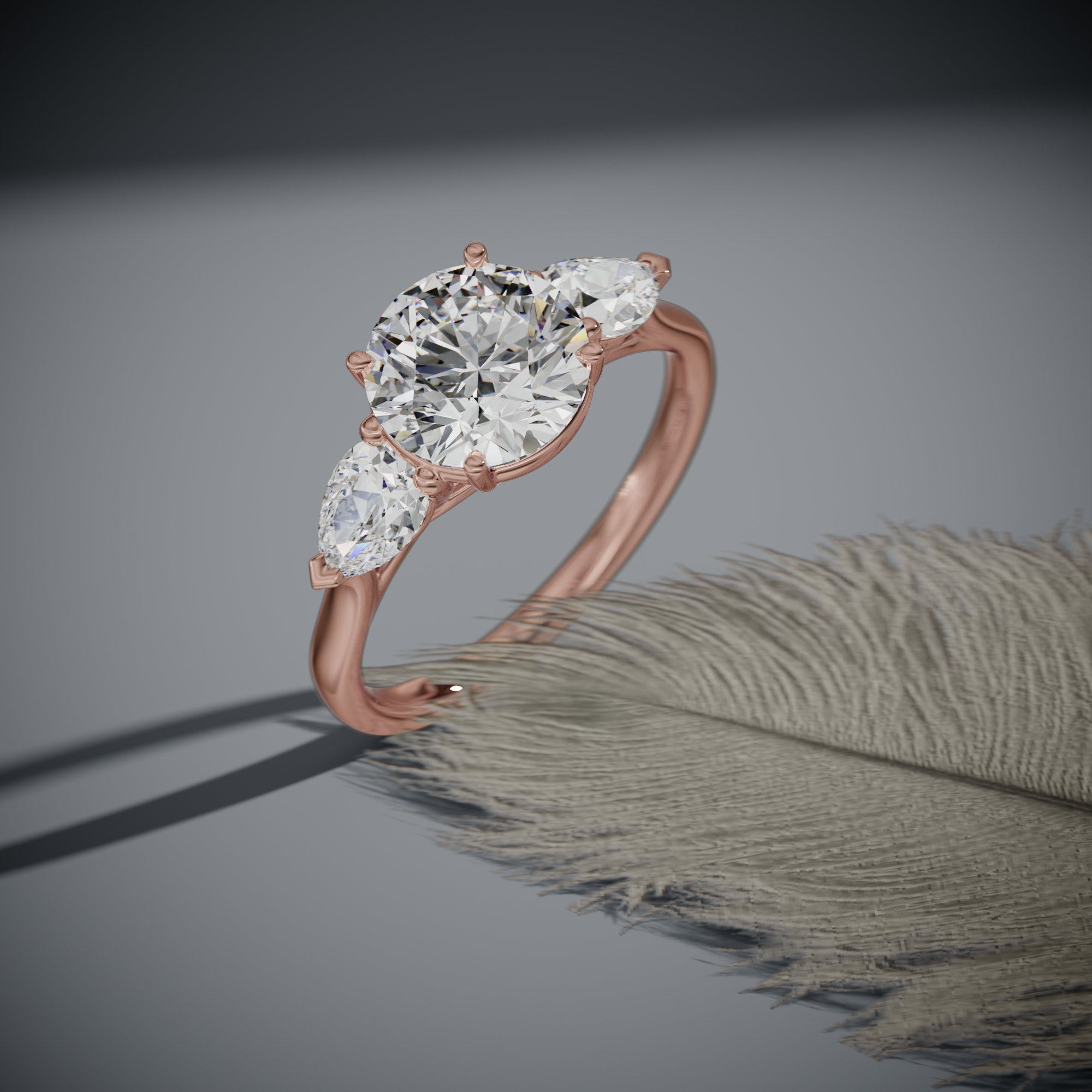
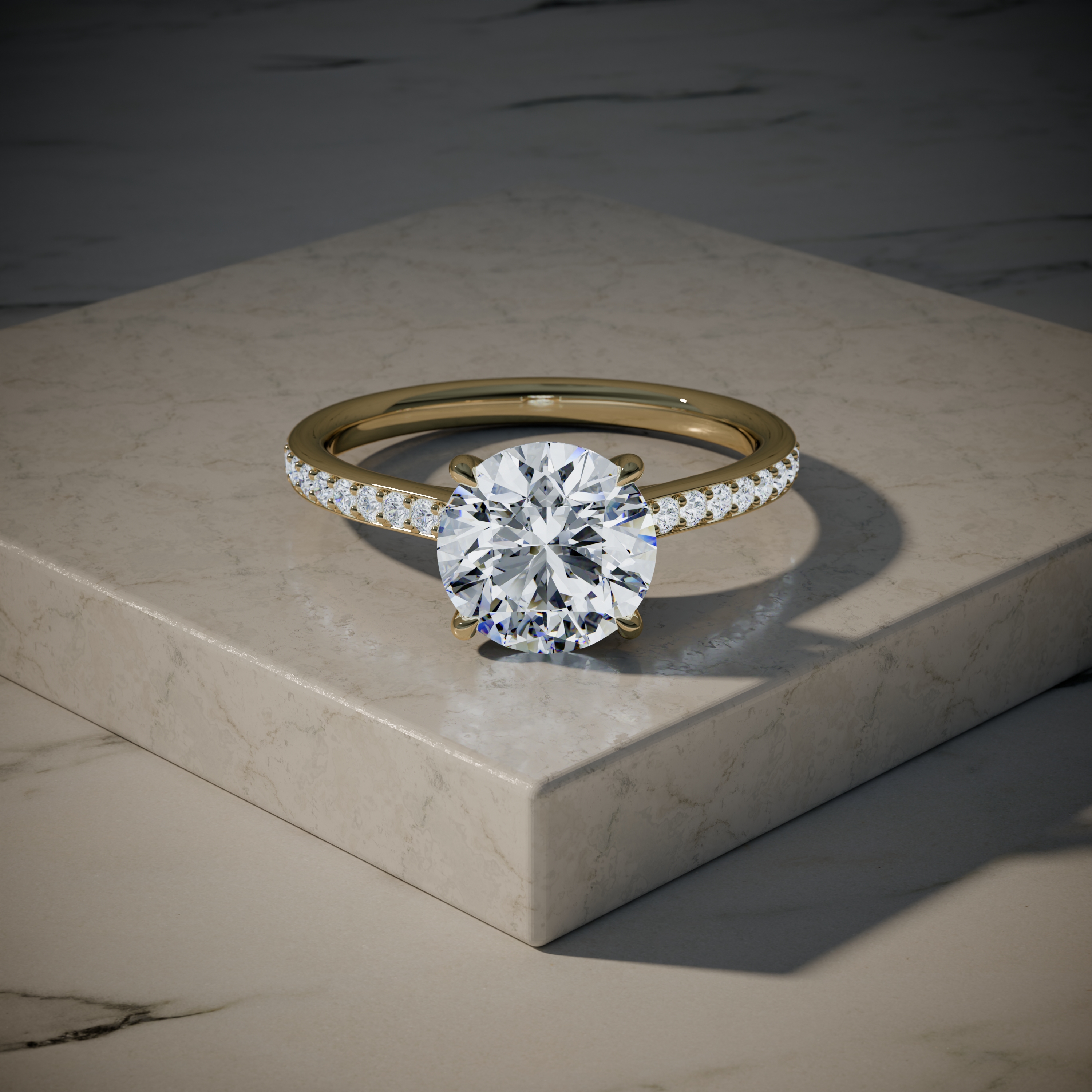
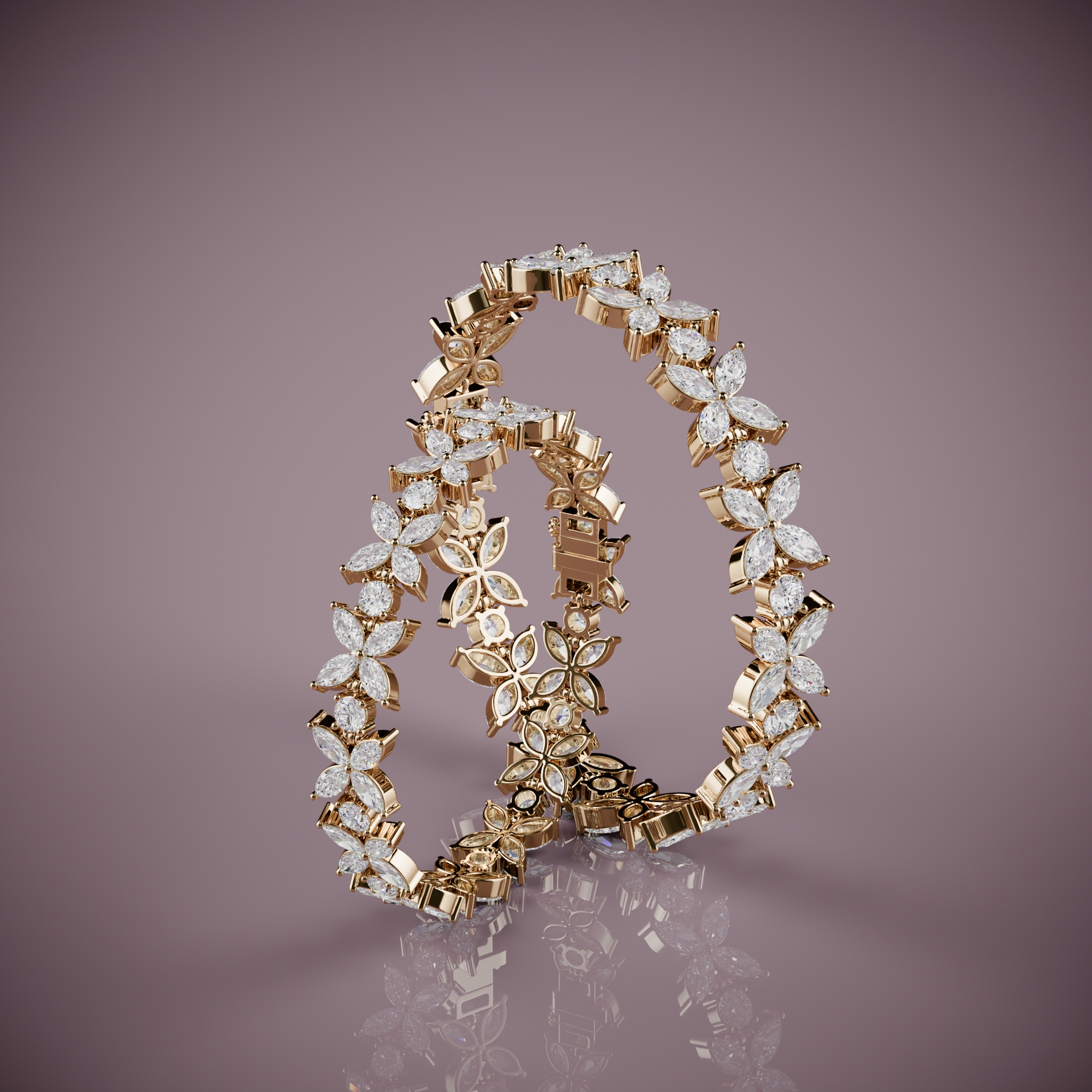
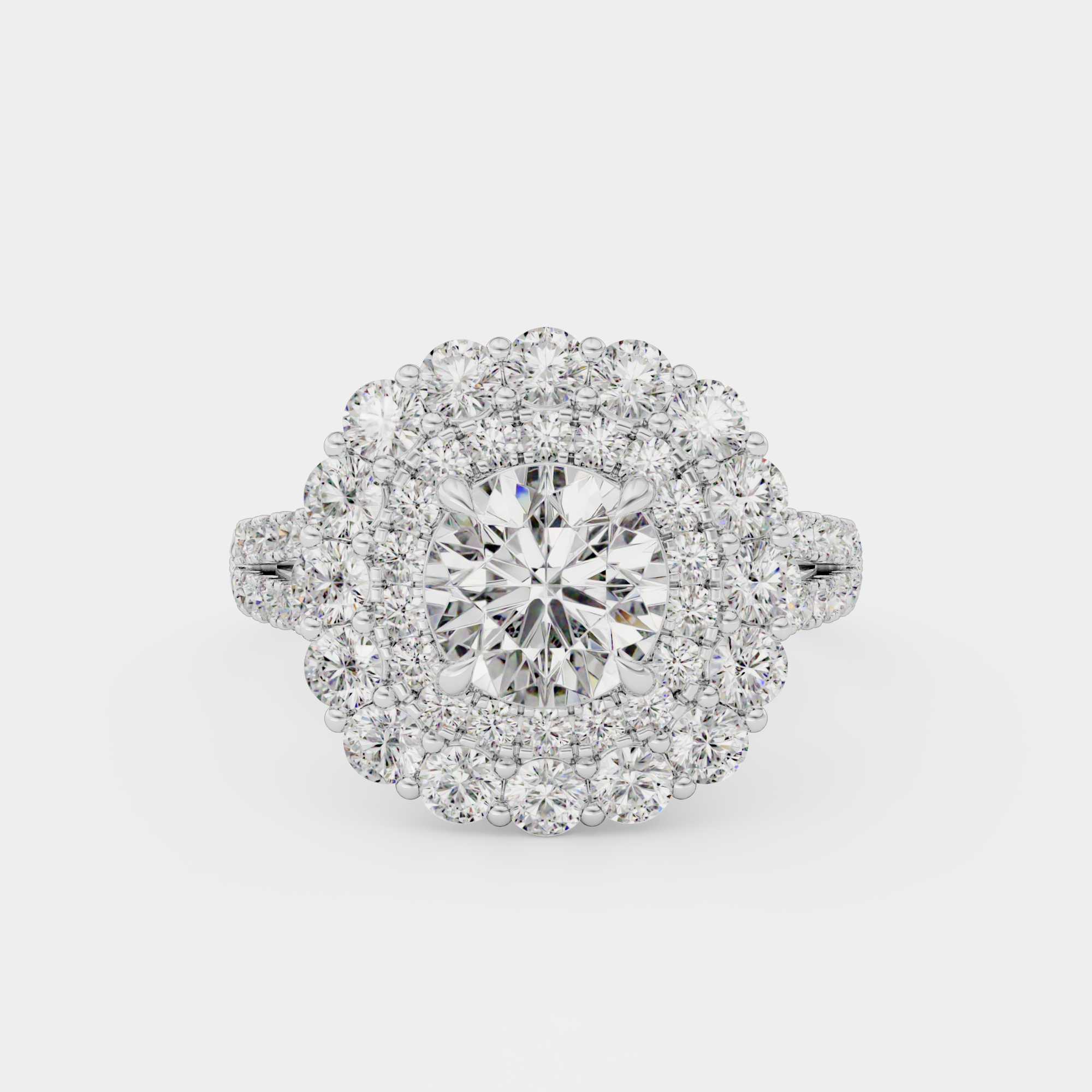
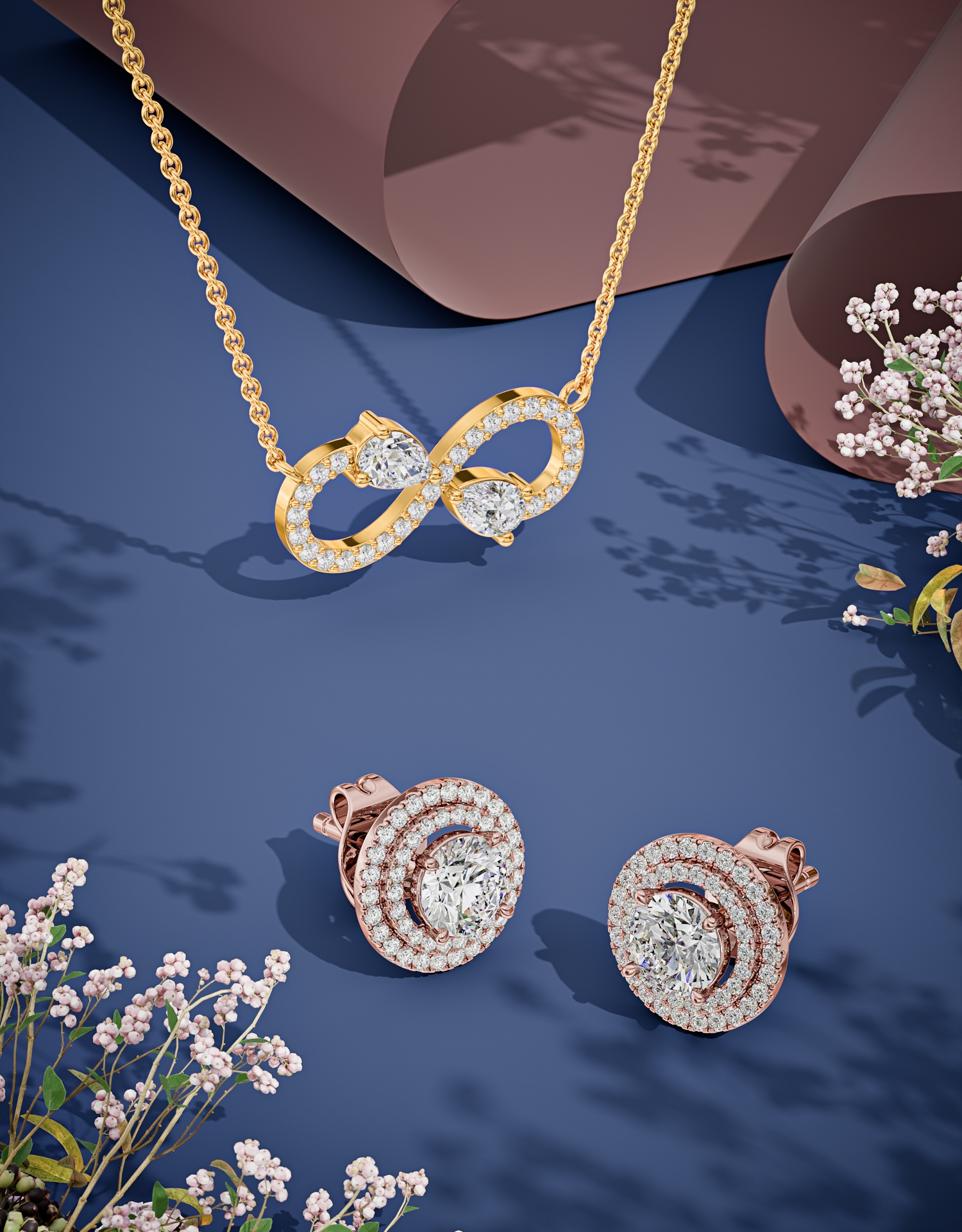
Upgrades in jewelry are visual. A larger centre stone, a halo, or a heavier band only earns the extra spend if the shopper can see the difference clearly on the page.
That is hard with sample photography, because the upgrade version has to be made and shot before it can be shown. Rendering each version from the same CAD file puts the options side by side at matching quality, so the comparison is honest and the more expensive piece gets a fair hearing.
Questions about Average Order Value
How do you calculate average order value?
Divide total revenue by total number of orders for the same time period. Do not divide by number of items, since one order can contain several.
Can better product images affect AOV?
They can, because upgrade options in jewelry are judged visually. If a shopper cannot see what a bigger stone or a heavier setting actually looks like, they tend to pick the cheaper option.