3D Rendering vs. In Photography: Which Is Right for Your Jewelry Brand?
Where rendering beats jewelry photography, where it loses, and how smart brands use both. Costs, timelines, and quality compared.
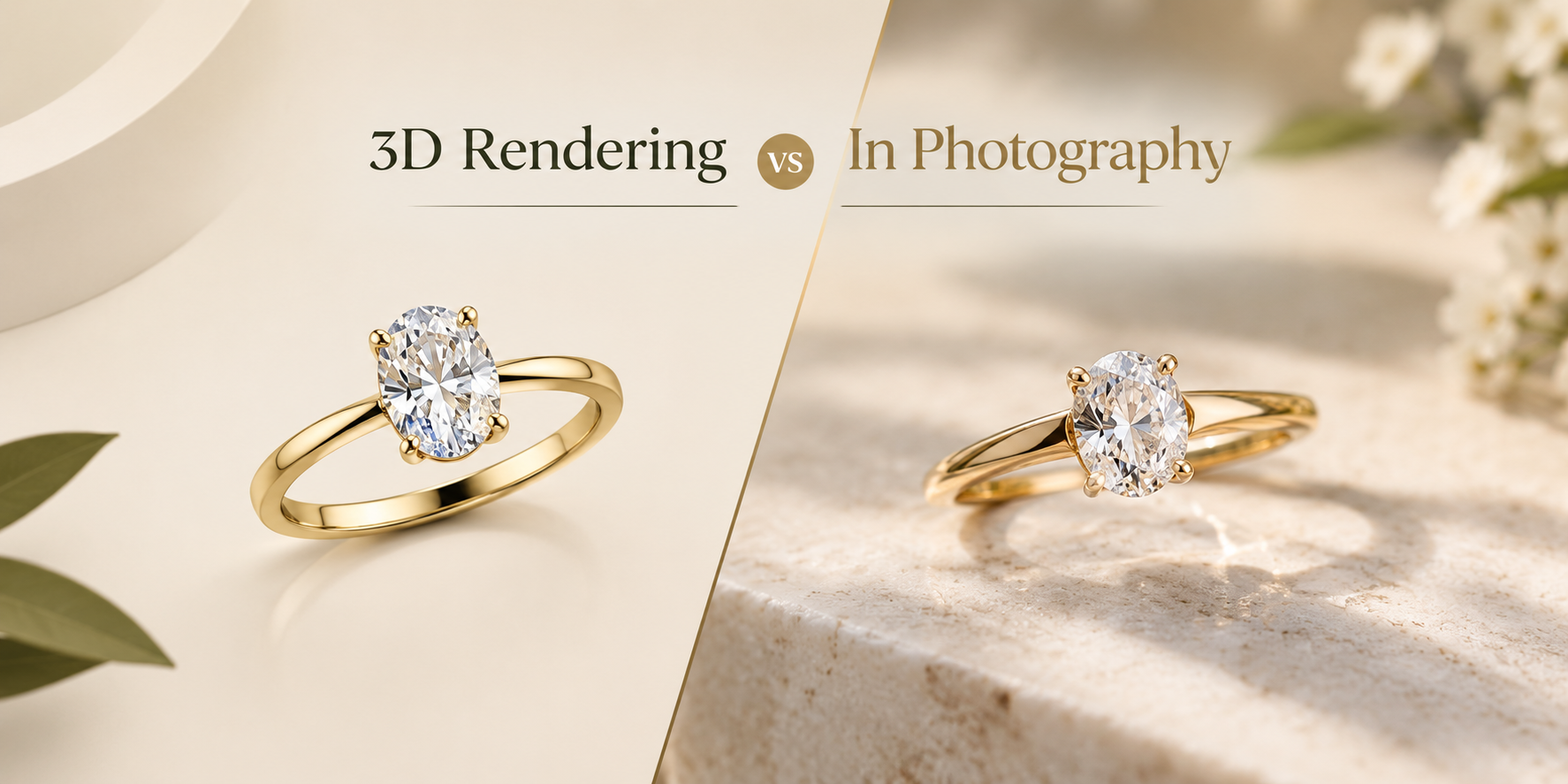
For 3D rendering vs photography, the answer for a jewelry brand that already owns a camera setup is to add rendering, not swap to it. Render the designs that exist only as CAD files, because the saving is the sample you never have to cast. Keep the camera for worn shots, handmade pieces, and brand content. Switch fully only when most of the catalog is new CAD designs and most shots are plain white-background stills.
An Owned Studio Changes The Cost Question
If you own the lightbox, the camera, and a retoucher, your cost per photo is staff time, and it may sit below what an outside studio charges. We do not know your number, so work it out before you compare anything: hours per piece, multiplied by your hourly cost, plus retouching.
The cost that rendering removes is not the shoot. It is the sample. A piece that will be cast anyway is cheap to photograph once it exists. A piece that has not been cast yet has to be made, finished, and shipped to your bench before the camera sees it. The cost guide works through one example with samples at $400 to $900 each and a shoot at $30 to $75 per shot, which lands near $2,000 and three to five weeks.
|
|
Photography |
3D rendering |
|---|---|---|
|
Needs a physical piece |
Yes, cast and finished |
No, a CAD file is enough |
|
Cost before the first image |
A sample, $400 to $900 in the cost guide's example |
None |
|
Cost per image |
$30 to $75 per shot in the same example, or your own staff time |
$15 per CAD file buys 9 HD images and 3 videos |
|
Three metals |
A sample per metal, or color changes in retouching |
One model, three golds |
At $15 across 9 stills, that is about $1.67 a still before the 3 videos. The $15 is a launch offer (regular $30), and one file means one design.
3D Rendering Vs Photography On Speed: Hours Against Weeks
Most renders ship in 24 to 48 hours from a CAD file. Revisions ship within 24 hours of your notes, and two rounds are included. The wait with photography is rarely the shoot. It is the weeks before a sample exists to shoot.
Photography wins on speed in one case: the piece is already in your hand. A finished ring on the bench can be on a lightbox in an hour. Rendering that same ring means a CAD file first, and if the piece has no CAD file, someone has to model it. That is a separate step with a separate fee, and it happens before any rendering starts.
What A Render Proves And What A Photograph Proves
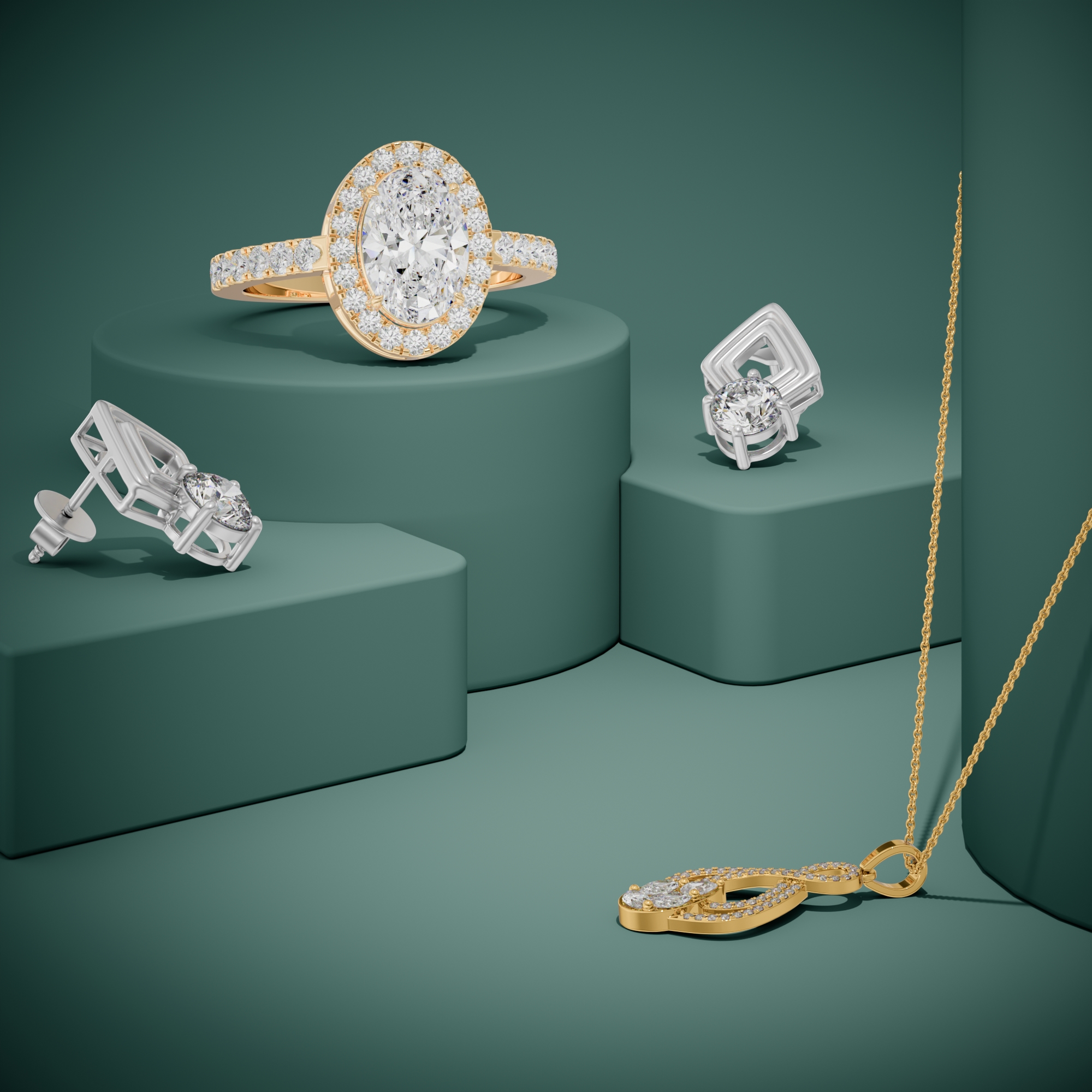
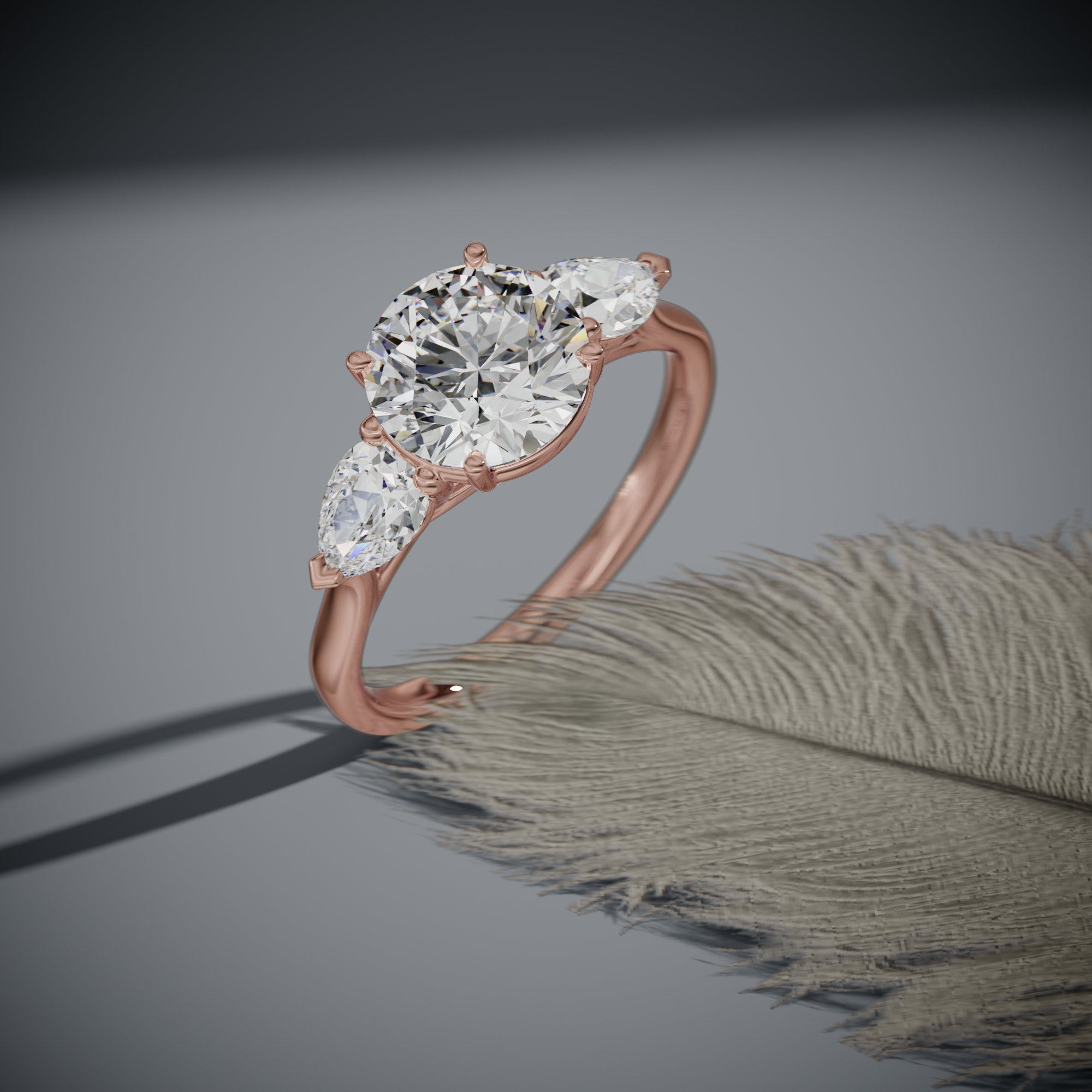
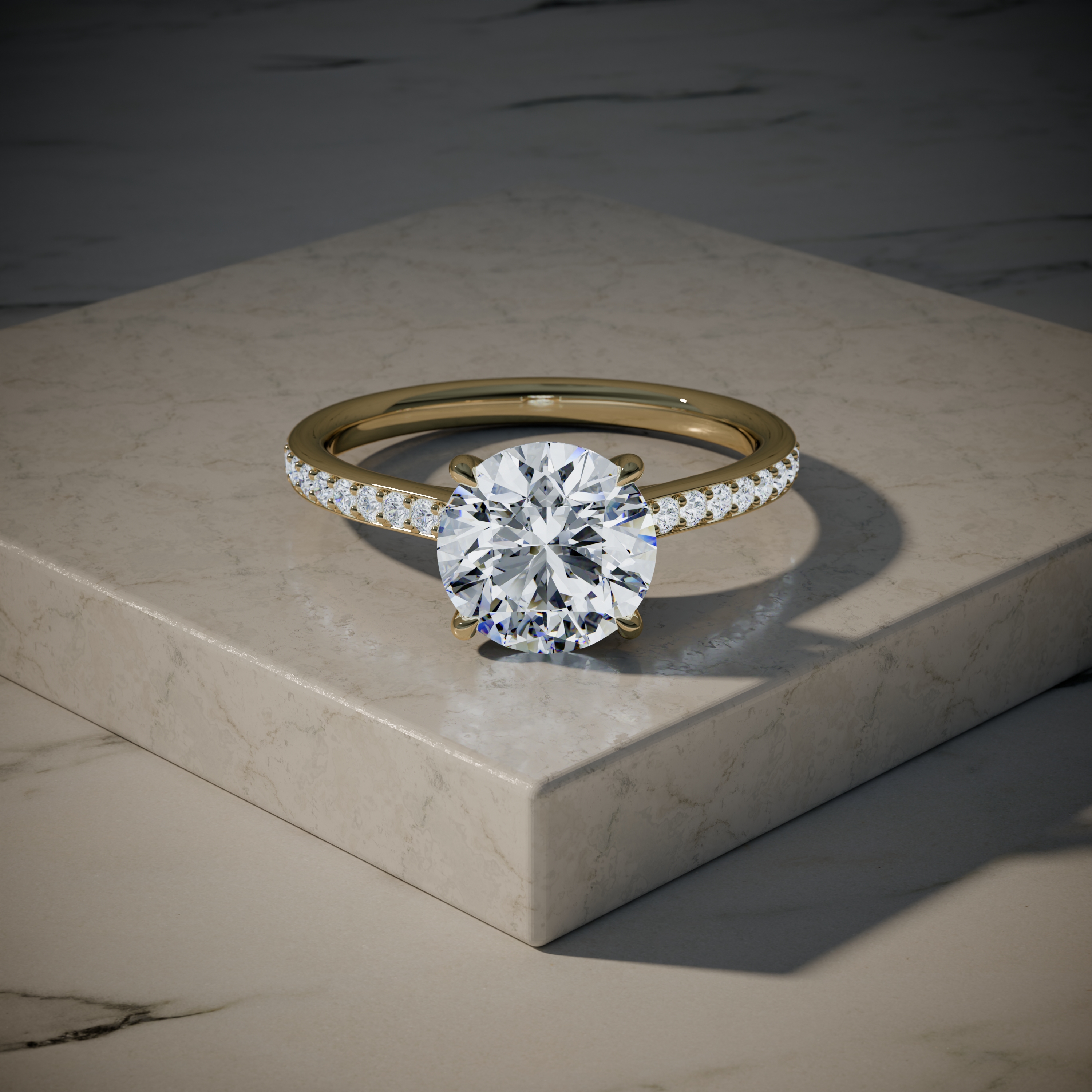
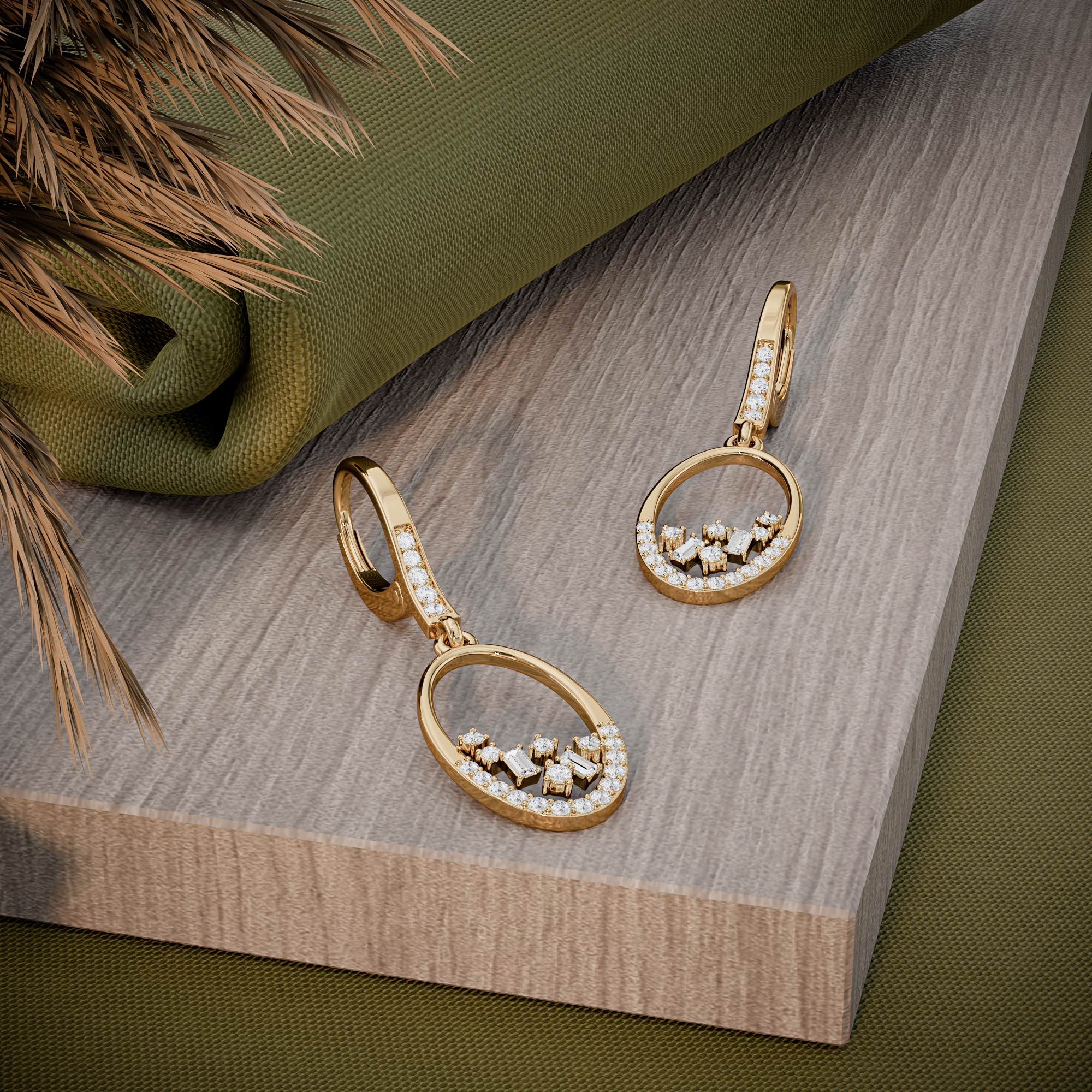
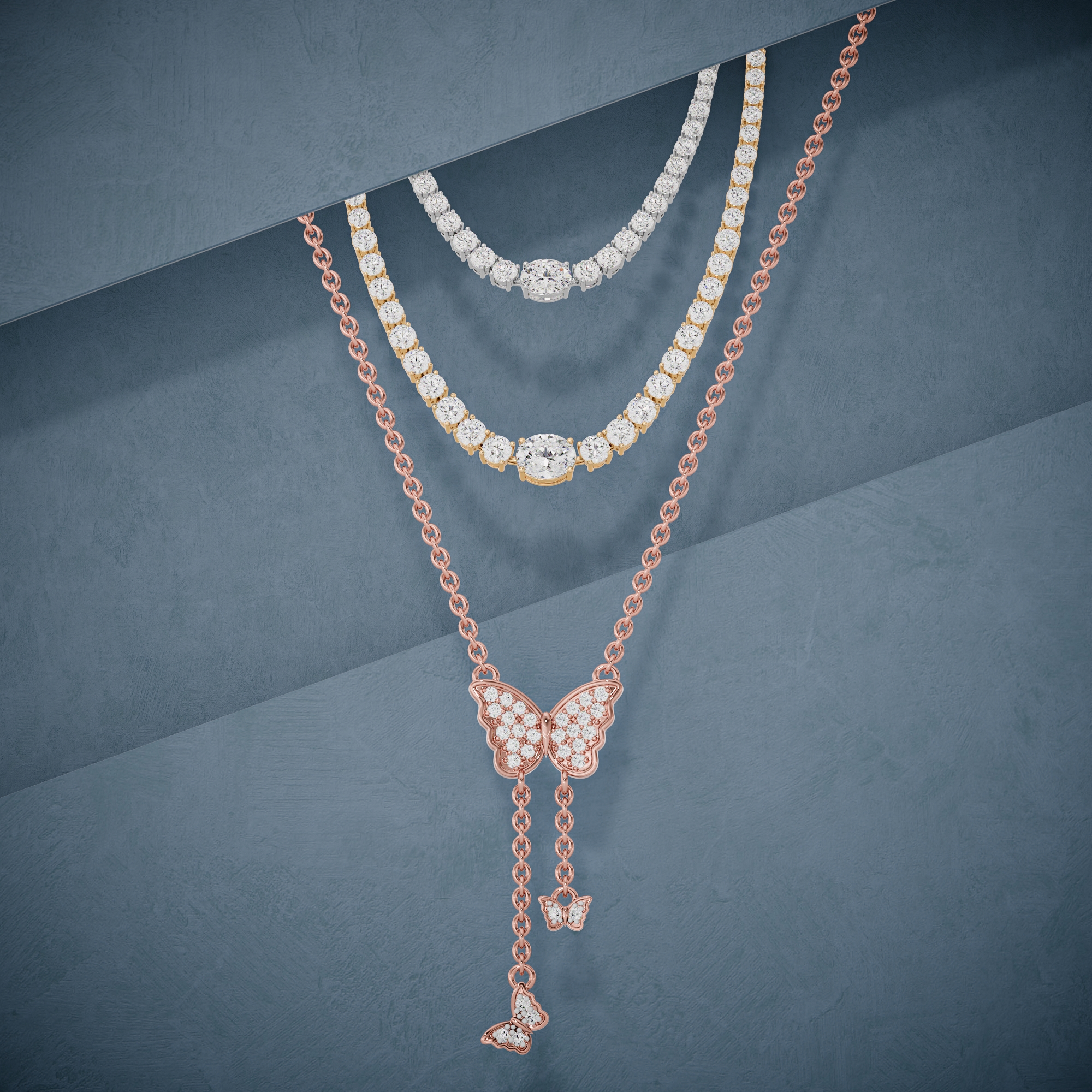
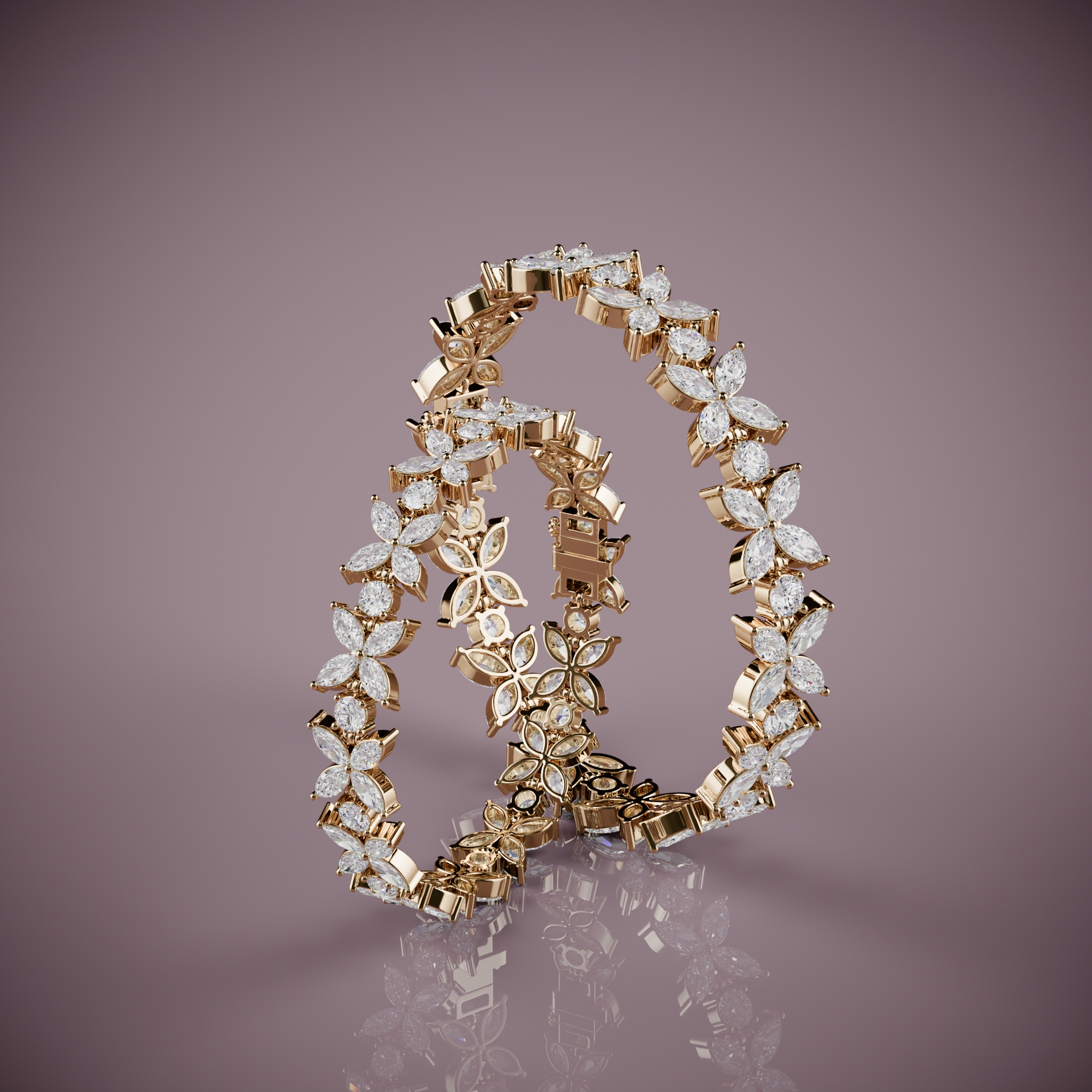
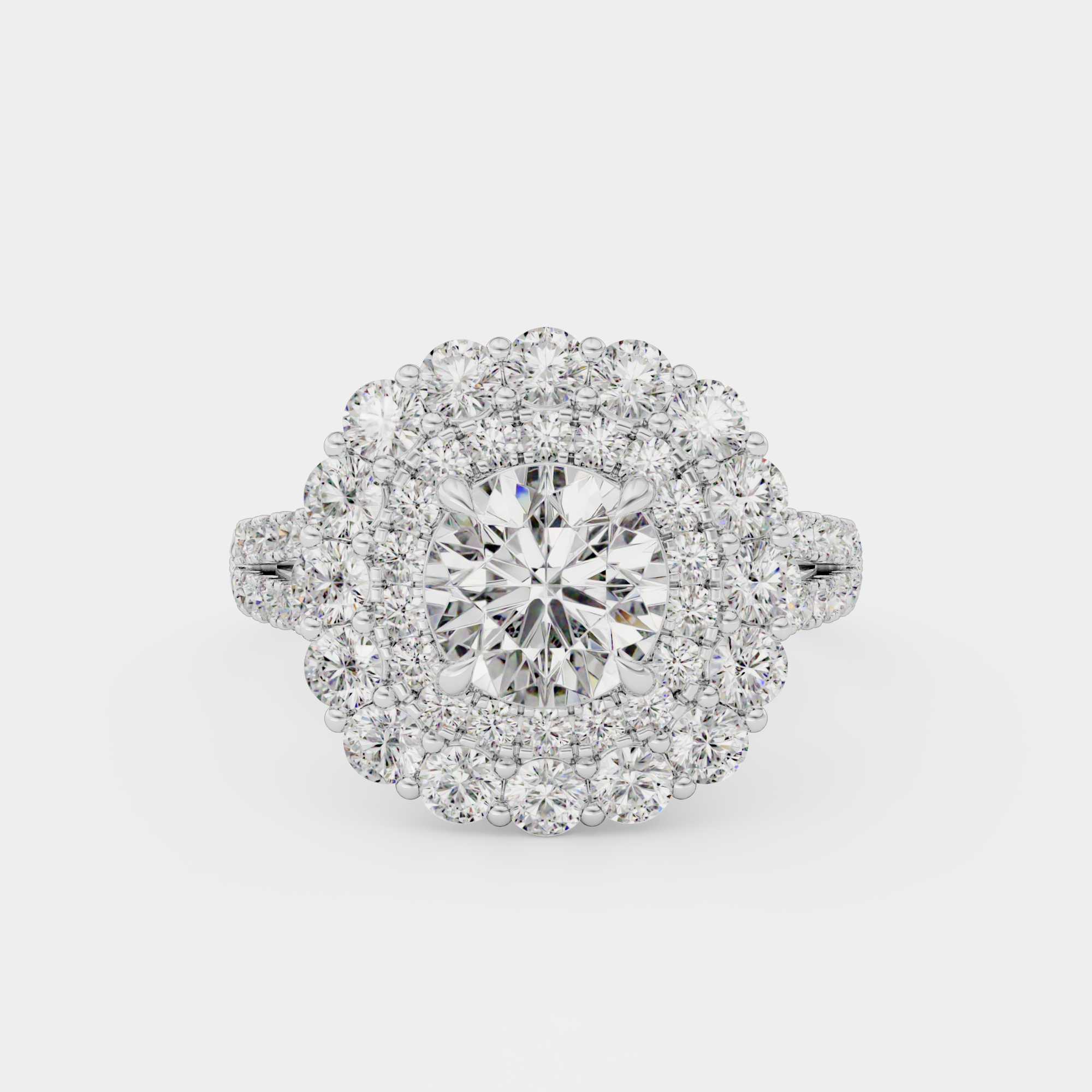
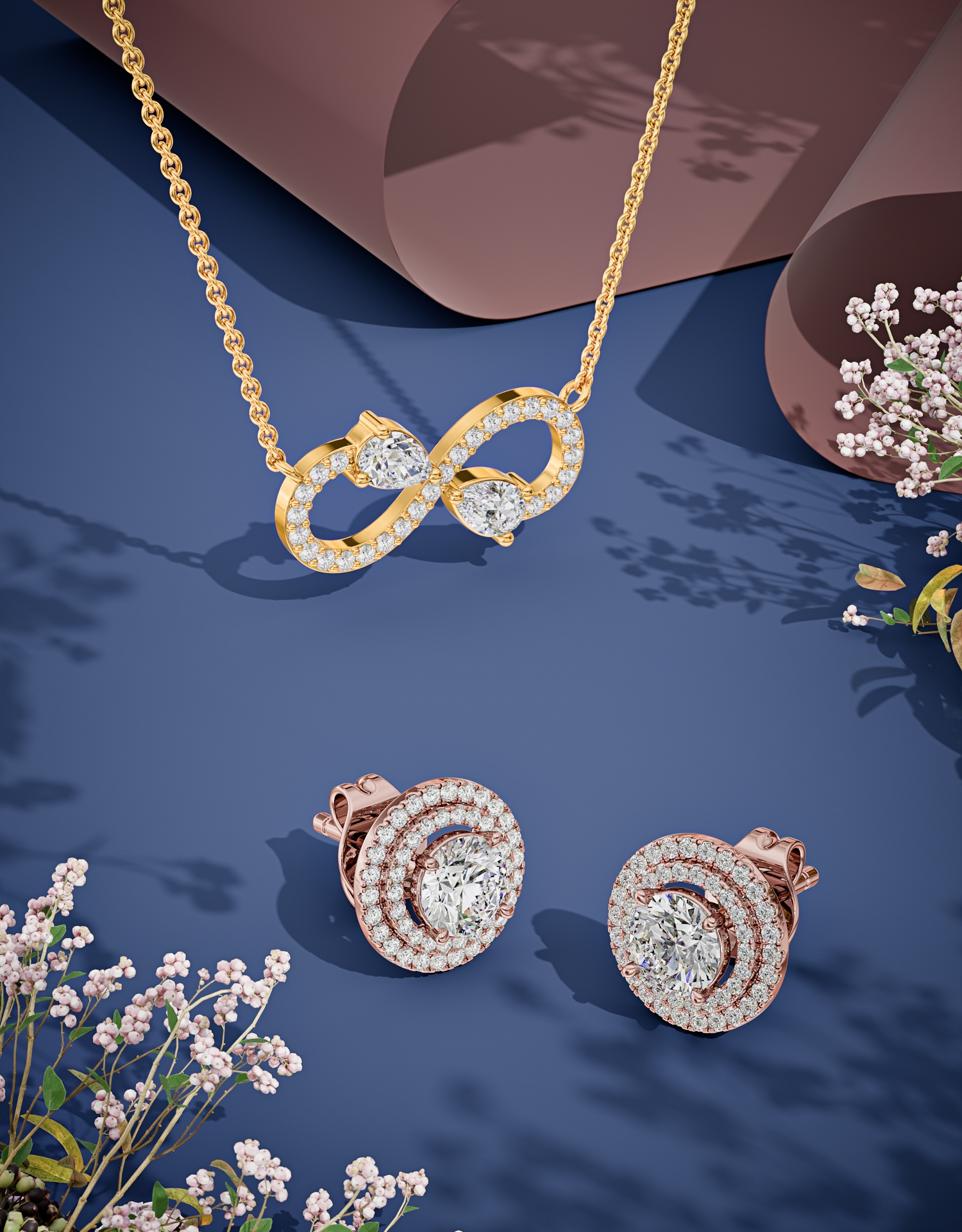
A good render is hard to tell from a photograph at product-page size. Look at recent renders and judge it yourself. The harder question is what each image proves to a buyer.
A render proves the design. A photograph proves the piece that was cast. Casting, polishing, and stone setting add small variation that the CAD file does not contain, so a rendered ring and the ring that arrives can differ in finish and in stone color. For made-to-order work that is acceptable if you say so. List the piece as made to order, and check the first cast against the render before you ship it.
Mixed listings need discipline. If a page carries both a photograph and a render, match the background, the angle set, and the crop, or the two read as two brands. We deliver on white, gradient, or custom backgrounds, and export sizes for Shopify, Amazon, and Etsy on request. Photorealistic renders only help a listing when they sit beside the photographs without announcing themselves.
Switch, Add, Or Keep: Match The Method To Your Brand
The right call depends on where your pieces start, not on which method looks better. Find your row.
|
Your situation |
Do this |
Why |
|---|---|---|
|
New collection designed in CAD, no samples cast yet |
Add rendering |
Show and pre-sell the line before any casting |
|
Large catalog with metal and size variants of one design |
Switch product stills to rendering |
One model gives every variant. A photoshoot repeats per variant |
|
Handmade, estate, or one-off pieces |
Keep photography |
No CAD file exists, and modeling usually costs more than a shot |
|
Worn shots, lifestyle, brand content |
Keep photography |
Rendering skin costs more than photographing a person |
|
Custom commissions for clients |
Add rendering |
The client approves the render, then you cast once |
Custom work is the clearest case for adding rendering. A designer who sells commissions can show 3D rendering for custom jewelry designs before any metal is cast, so the client signs off on a picture rather than a sketch. The CAD file that makes the render is usually the file the caster works from. If you work from sketches, the model is built first, then rendered after the client approves. See rendering for independent designers for how that sequence runs.
Where 3D Rendering Is The Wrong Call
Rendering is the wrong call in five cases, and in each one the camera is the better spend.
Pieces already proven to sell. If a design has a sales history and a good set of photographs, rendering it again adds a cost and no new information.
Anything worn. On-hand, on-ear, and on-neck images are the core of jewelry marketing. Book a photographer.
One-offs and heirlooms. A piece with no CAD file costs more to model than to photograph.
Hand engraving and hammered texture. Both can be rendered, but their exact character takes modeling time that a camera gets for free.
Cheap renders. Plasticky metal and stones that glow instead of sparkle are visible at product-page size. A bad render on a brand's site costs more than no image at all.
Run A One-Collection Pilot Before You Change Anything
You do not have to dismantle a working setup to find out. Pick one collection of five to ten pieces that exist as CAD files. Render them, photograph the ones you have cast, and put both on a test page. Compare the two on what matters to you: cost per piece, days to a finished image, and how the pieces look side by side.
If you are choosing among 3D rendering companies, put five questions to each one before you send a file:
- Is the price published, and what does it include?
- Which file formats does it take?
- How many revision rounds are in writing?
- Will it render one of your files as a free sample?
- Is an NDA signed before the file is opened?
Our answers: the price is $15 per CAD file with 9 HD images and 3 videos. We take 3DM, STL, OBJ, and STEP. Two revision rounds are included. A free sample render is one CAD file at full quality, with no payment details. An NDA is signed before any file is opened. Any 3D rendering company confident in its work will render one piece to prove it. A free sample render of your own design is the fairest way to judge which one is best for your jewelry.
Curious how this works in practice? See the process, browse the portfolio, check pricing, or see every service we run.