


Jewelry Line Sheet
Also called linesheet, wholesale line sheet, jewelry linesheet
A jewelry line sheet is a one-page or multi-page document that lists a collection's pieces for wholesale buyers. Each entry shows an image, style number, materials, dimensions, wholesale price, and suggested retail price, along with order minimums and lead times, so a retailer can place an order without seeing the physical piece.
In other words, it is the order form with pictures. A retail buyer reads it, picks styles, and writes a purchase order straight from it.
What a jewelry line sheet contains
A line sheet is the visual half of a wholesale order. A retail buyer reads it to decide what to stock, so every entry carries the data an order needs and nothing decorative. Most sheets group pieces by collection and give each piece one block.
The fields are consistent from one brand to the next. The image sits on one side and the specification beside it. Order terms usually appear once, in the header or footer, instead of repeating on every row.
Show both prices. The wholesale price is what the retailer pays, and the suggested retail price shows what the piece is meant to sell for. Seeing both lets the buyer check their margin at a glance, without emailing you for the second number.
A wholesale line sheet template for jewelry is that grid repeated. Build it once in a spreadsheet or layout tool, then swap in the images and rows for each collection. An illustrative entry reads: style number R-1042, 14k yellow gold solitaire ring, 0.75 ct round center stone, sizes 5 to 9, wholesale and suggested retail price on the same line.
- Image: one clean product image per style, on a plain background
- Style number or SKU: the code the buyer writes on the purchase order
- Description: piece name, metal and karat, stone type and weight
- Dimensions: length, width, ring sizes offered, chain length
- Wholesale price and suggested retail price, side by side
- Order terms: minimum order, lead time, delivery window, payment terms
- Contact: who to reach to place the order
Line Sheet vs Lookbook vs Catalog
These three get mixed up, and buyers notice. A lookbook sells the mood, a catalog sells to consumers, and a line sheet takes orders. Only the line sheet carries wholesale price and order terms.
Brands usually send the lookbook first and the line sheet second. The lookbook earns the meeting. The line sheet earns the purchase order. A lookbook with no prices forces the buyer to ask for the one thing they need.
Why Line Sheet Images are a Rendering Job
A line sheet fails when its images do not match. Mixed backgrounds, mixed angles, and mixed lighting make one collection look like three brands, and a buyer scanning the full range reads that as a quality problem.
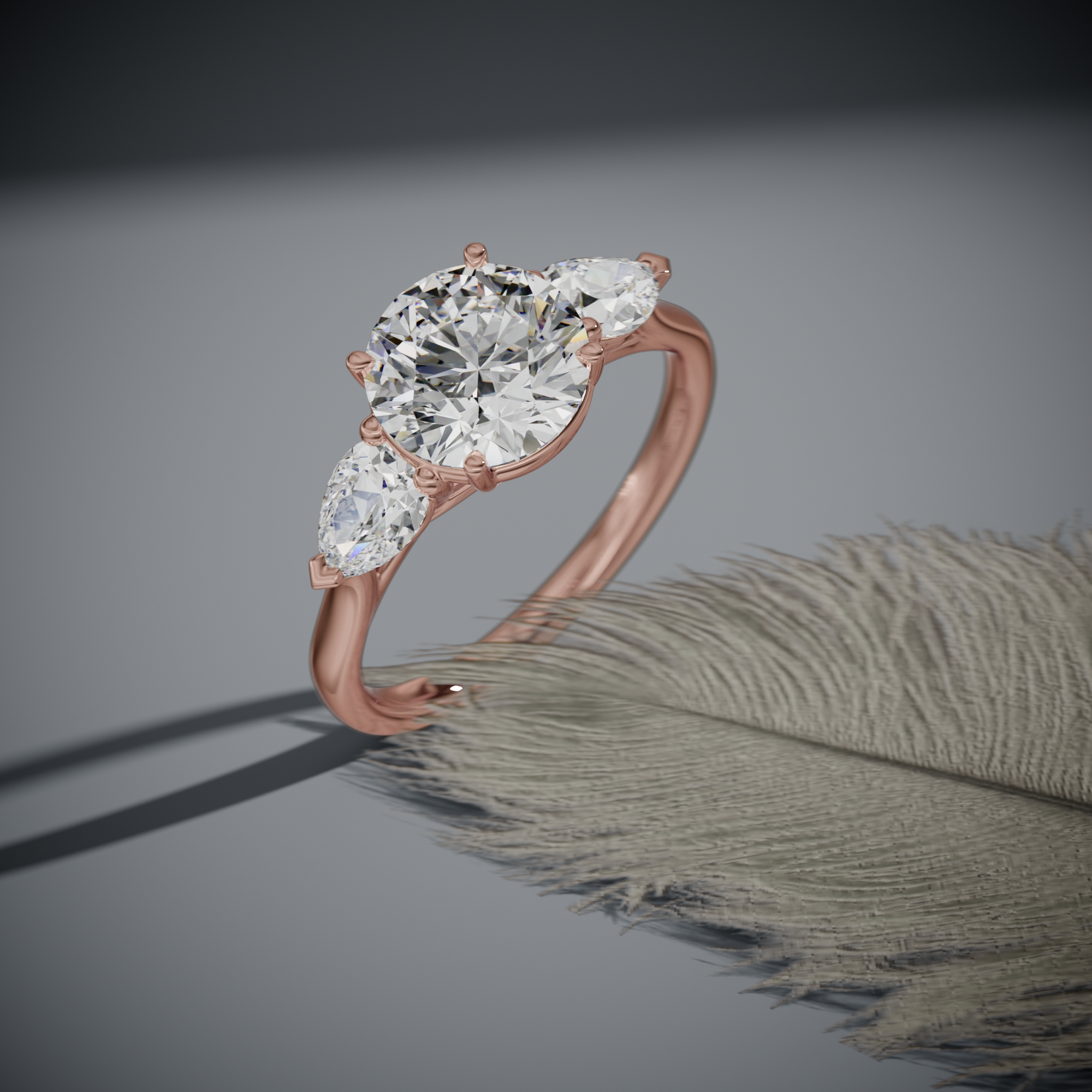
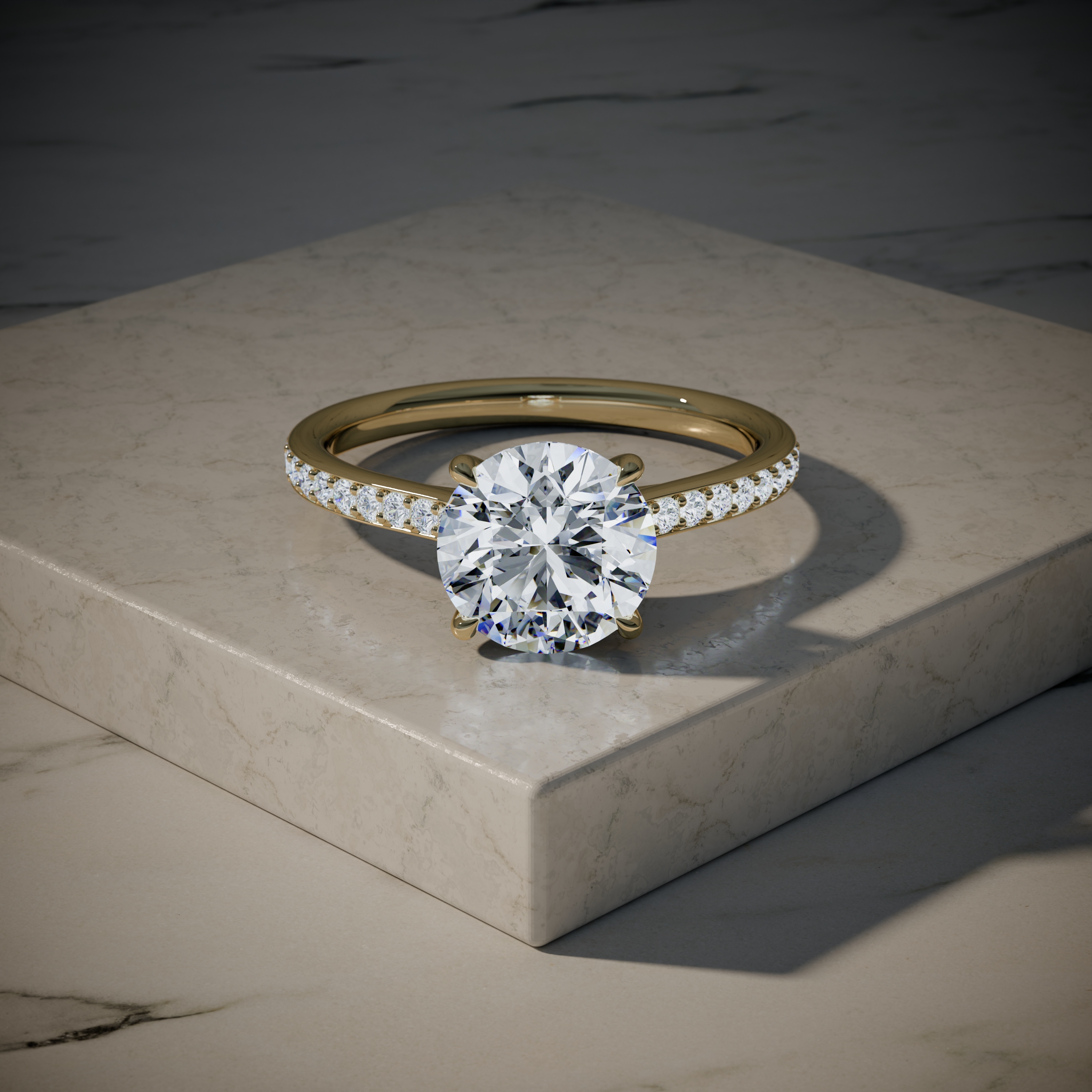
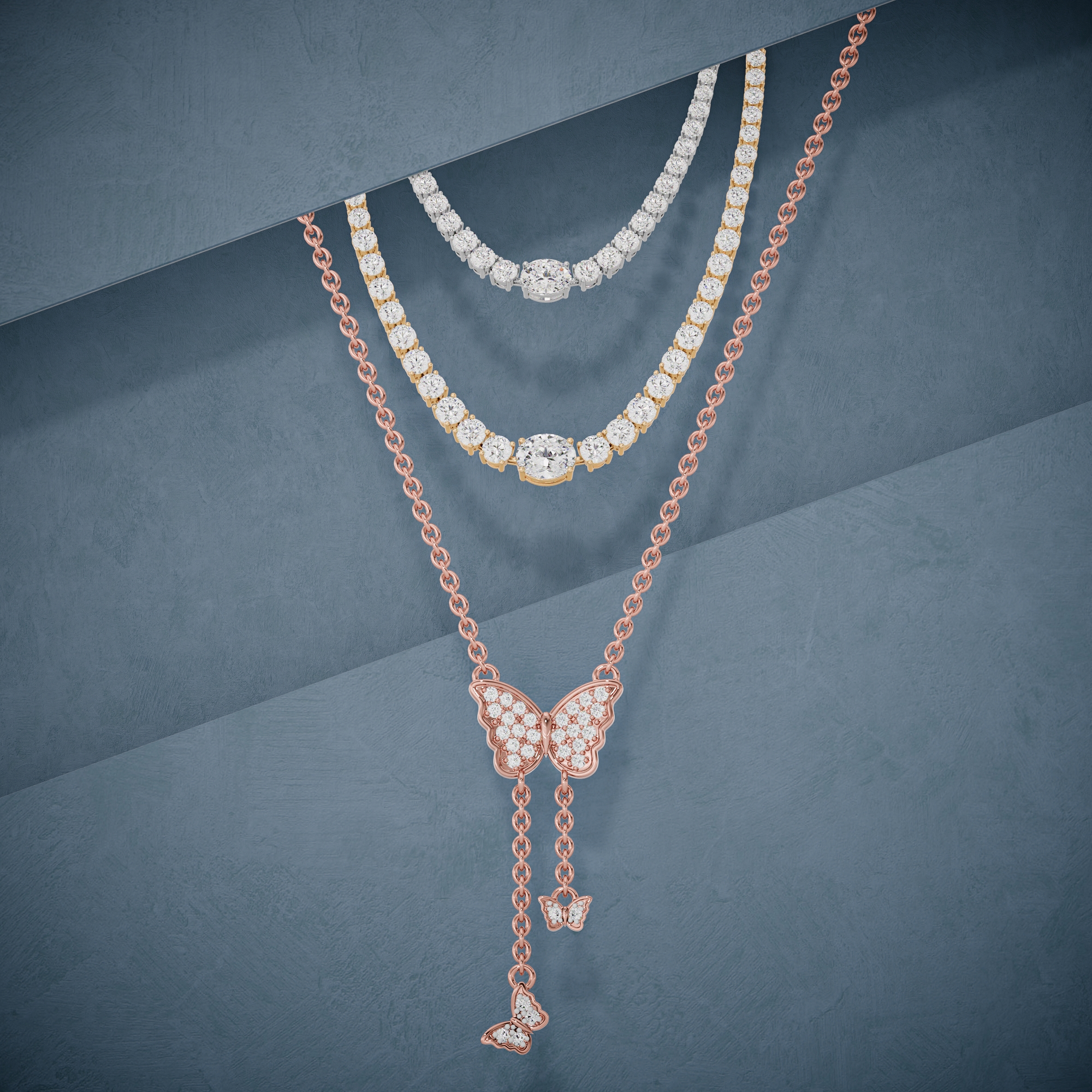
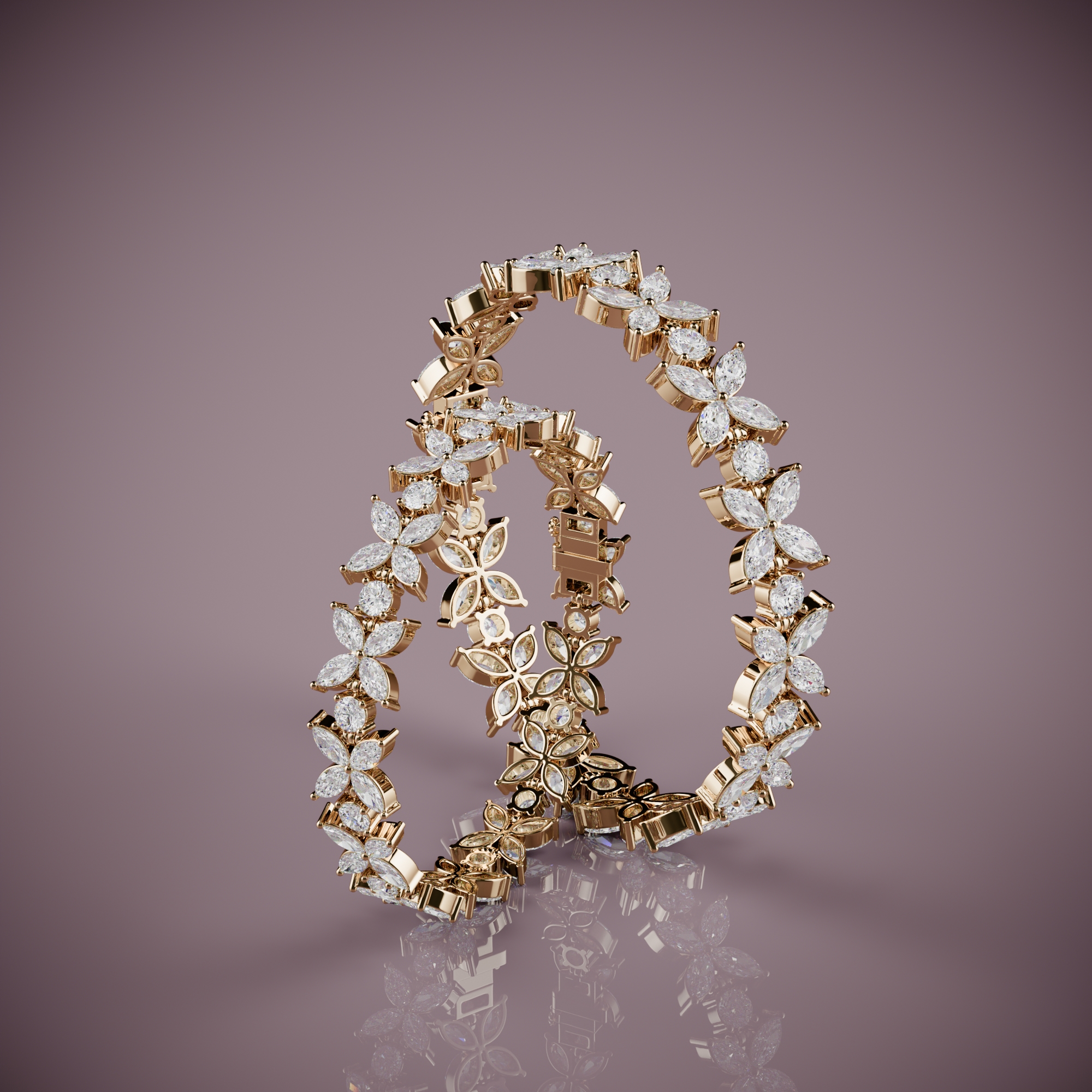
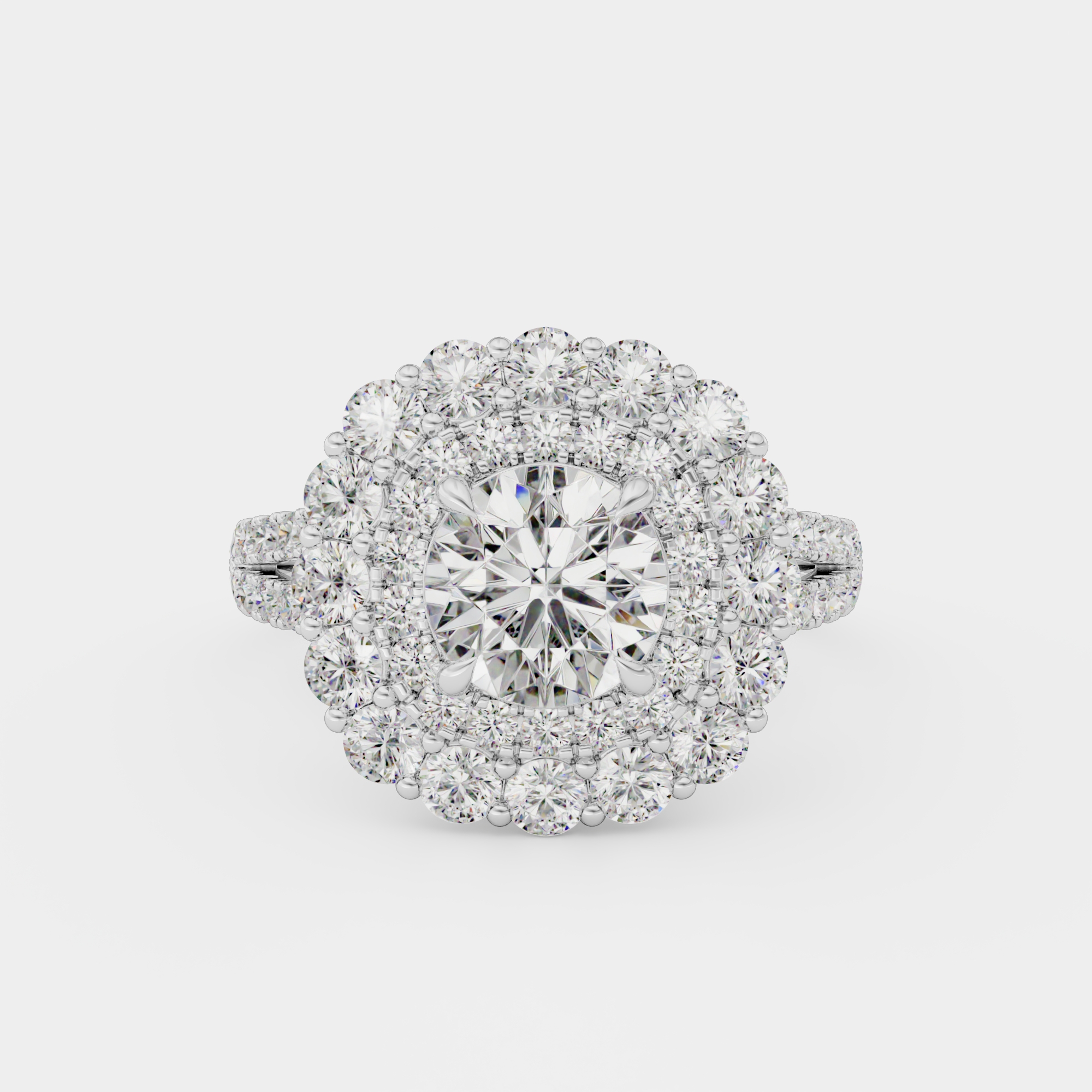
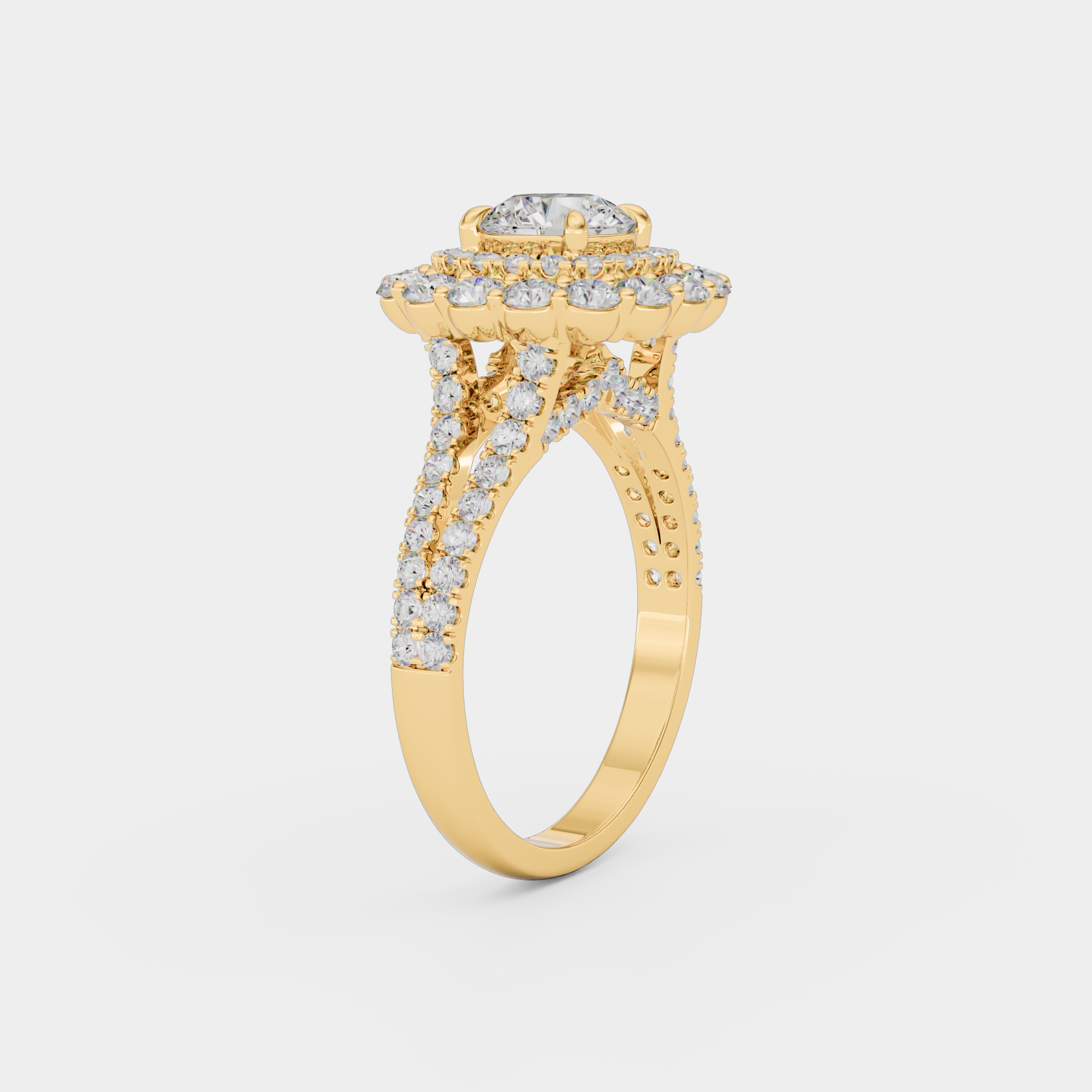
Rendering fixes this because every piece comes out of the same scene. One CAD file gives you 9 HD images at 3000 x 3000 px or larger, in rose, white, and yellow gold, on a white background. If a style is offered in three metals, the sheet can show all three without three samples being cast.
Renders also exist before the piece does. A brand can send a line sheet for a collection that is still in CAD, then cast what buyers order. PNG with a transparent background and layered TIFF are included, so the image drops into any template. Name each file after its style number, and the image and the row never drift apart. Catalog consistency across a large number of styles is what our catalog rendering is built for.
Where a Render Does not Fit a Line Sheet
A render needs a CAD file. A handmade one-off or an estate piece has none, and modeling it just to render it usually costs more than photographing it. For those pieces, shoot the line sheet image.
Hand engraving and hammered textures are the other weak spot. They can be rendered, but matching their exact character takes modeling time that a camera gets for free. A render also shows no weight in the hand, so the dimensions and metal fields on the sheet have to carry that information.
Questions about Jewelry Line Sheet
What should a jewelry line sheet include?
Include an image, style number, description, dimensions, wholesale price, and suggested retail price for every piece. Add order minimums, lead time, and payment terms once, in the header or footer. Put a contact for placing the order on every page.
What is the difference between a line sheet and a lookbook?
A lookbook shows styled imagery to sell the brand's mood, and carries no prices. A line sheet lists each style with its price and order terms so a buyer can order. Most brands send both, lookbook first.
Can I use 3D renders on a line sheet?
Yes, if the piece exists as a CAD file. Renders give every style the same background, angle, and lighting, which is what a line sheet needs. Pieces with no CAD file are usually cheaper to photograph than to model.