CAD Modeling vs Rendering: Which One You Actually Need
Two separate jobs, and most jewelry brands only pay for one. Which you need depends on what you already have: a CAD file, a sketch, or a finished piece you could photograph instead.
CAD modeling and rendering are two separate jobs, and most jewelry brands only need to pay for one of them. If you already have a CAD file, you need rendering. If you have a sketch or an idea, the CAD model gets built first, then rendered. If the piece already exists in metal, the honest answer is usually that you need a photographer, not either of us.
Here is how to tell which case you are in.
CAD modeling vs rendering: two jobs, only one is always needed
Modeling builds the geometry. Rendering lights it and photographs it.
CAD modeling is the work of turning your design into measured 3D geometry: every prong, every stone seat, every millimeter of the shank, accurate enough that a caster or a printer could make the piece from it. Rendering takes geometry that already exists and produces images from it. Nothing is built at that stage, and nothing new is measured.
Plenty of suppliers sell the two as one purchase, which is why the distinction is worth making. A brand that only needs the second job pays for both, and never finds out.
- CAD file
- What you have: A CAD file
- What you need to buy: Rendering only
- Does the piece exist yet? No, and it doesn’t need to.
- Sketch or reference image
- What you have: A sketch or reference image
- What you need to buy: Modeling first, then rendering
- Does the piece exist yet? No, and it doesn’t need to.
- Finished piece in metal
- What you have: A finished piece in metal
- What you need to buy: Usually photography, not modeling or rendering
- Does the piece exist yet? Yes, it already does.
The rows run in order of what they cost you. Most of the rest of this post is why the third row is not a sales technique.
The cheapest case: you already have the file
If your designs exist as CAD, you are closer to finished images than most brands expect, and the job is a fraction of what a modeling quote would be.
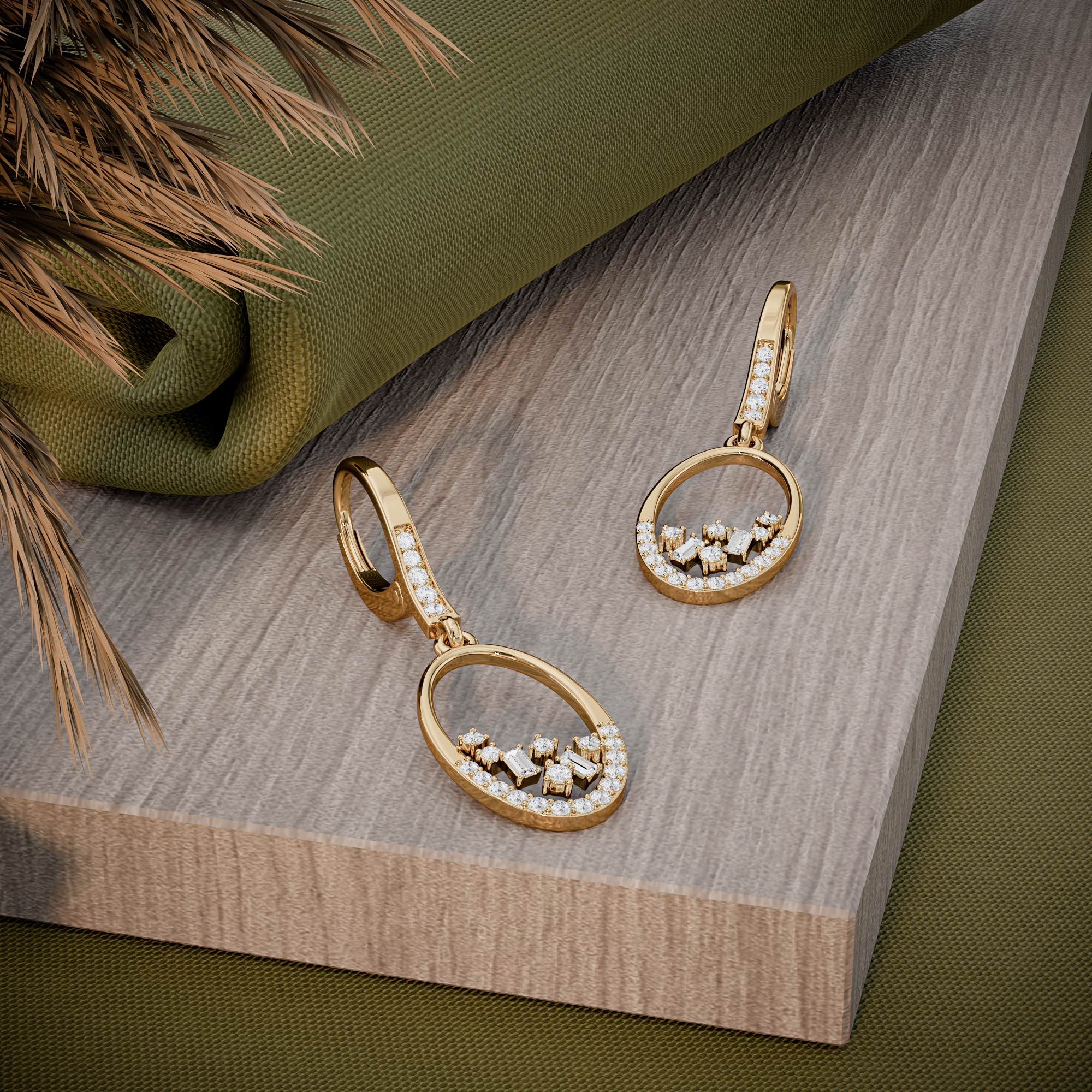
We accept 3DM (from Rhino and Matrix), STL, OBJ, and STEP. One file means one design, so a matched pair of earrings is one file, not two. It renders at $15, comes back as 9 HD images plus 3 videos across rose, white, and yellow gold, and most orders deliver in 24 to 48 hours. Several studios match that turnaround, so treat it as a supporting fact rather than a reason to pick anyone.
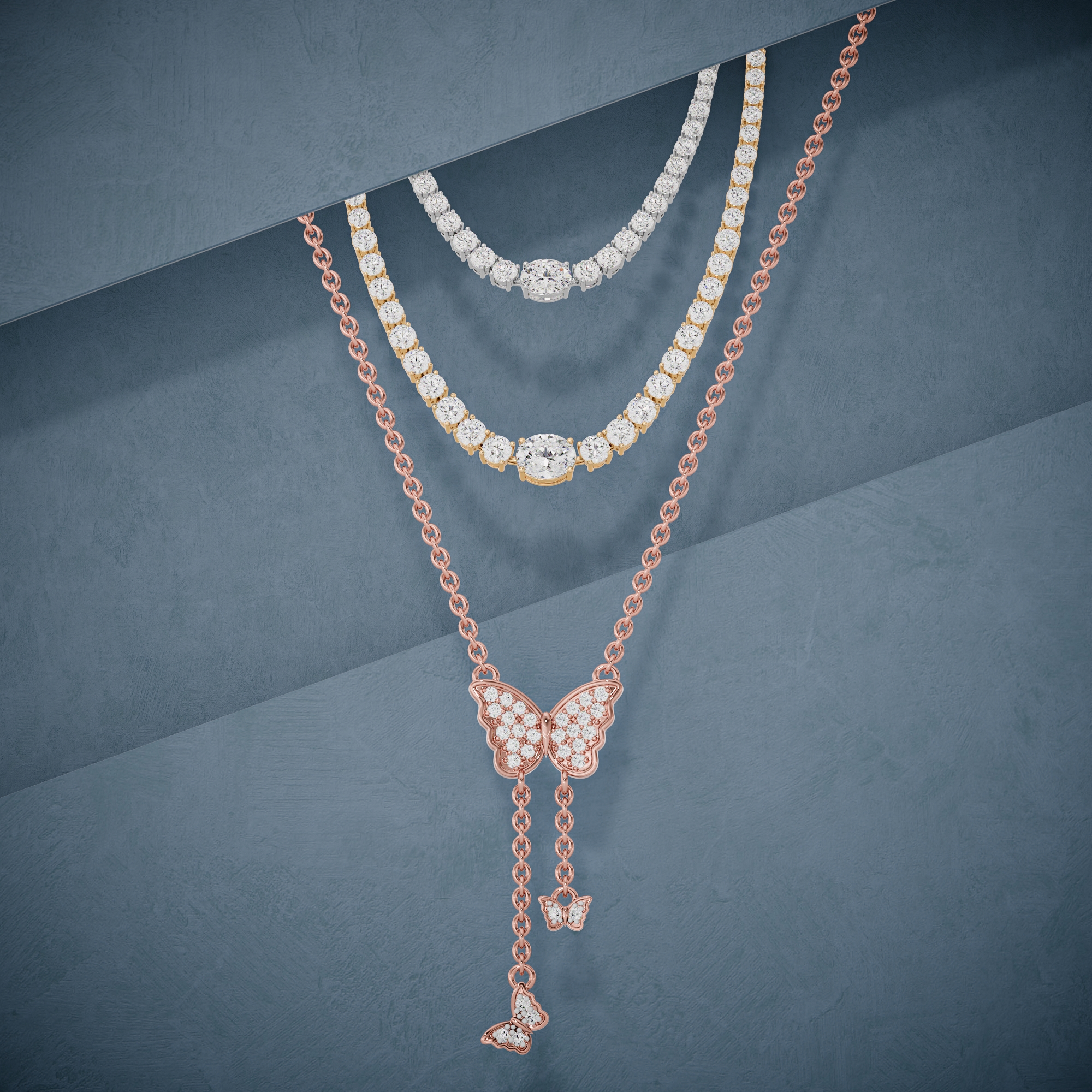
The three metals matter more here than the price does. Metal is a material assignment inside the scene, not a second job, so one model covers every variant you sell. Rhino, one of the CAD packages this trade models in, makes the same argument about its own output: use renderings to sell your work without the expense of building each piece.
One thing to check before you send anything. A clean export renders at the base price, and a broken one needs repair time before anyone can light it, so it is worth asking whoever built your file to export it rather than pulling it off a drive yourself. What happens after that is a separate story, walked through in the five stages from CAD file to finished image. The service itself is 3D jewelry rendering.
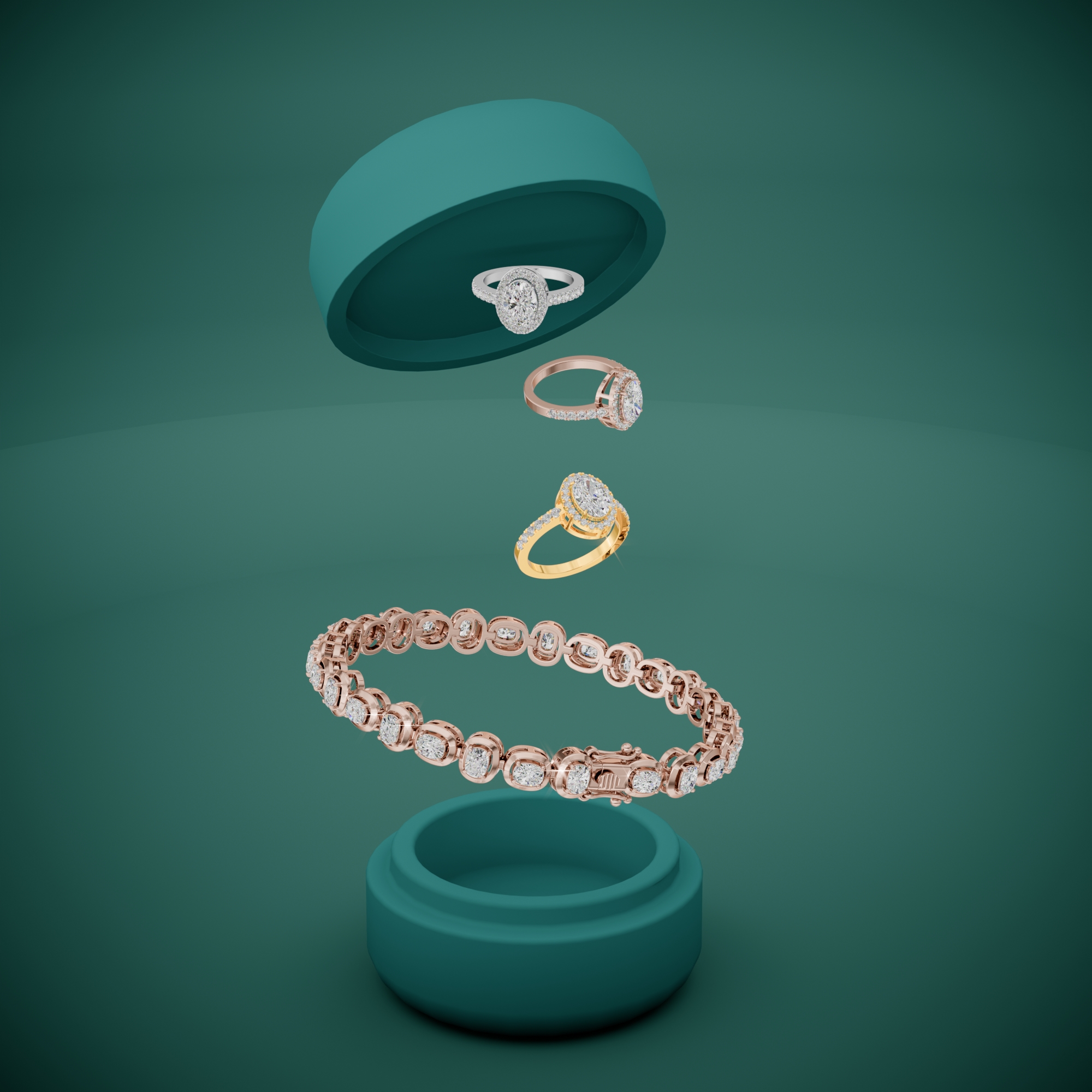
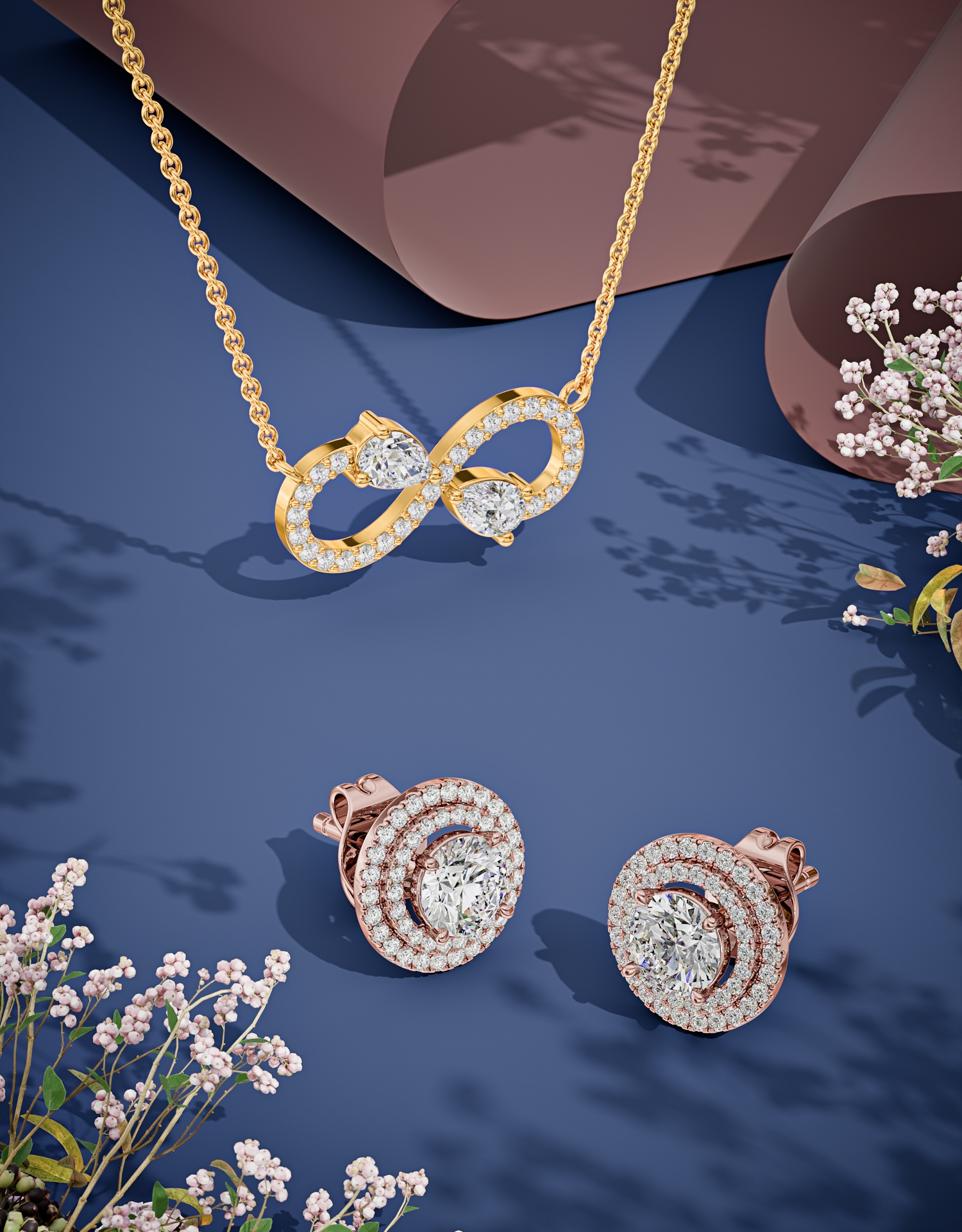
One model, three metals, one camera angle. Nothing was cast to produce this, and no second job was quoted for it.
No file means someone builds one first
This is the case most independent designers are in, and it is where the money question actually bites.
Modeling is a separate step with its own fee, and it happens before any rendering starts. You approve the model, then it gets rendered. That ordering is the part clients most often get wrong: they expect to approve images, when the thing they are approving is geometry. Two revision rounds are included at every price point, and revisions ship within 24 hours of your notes.
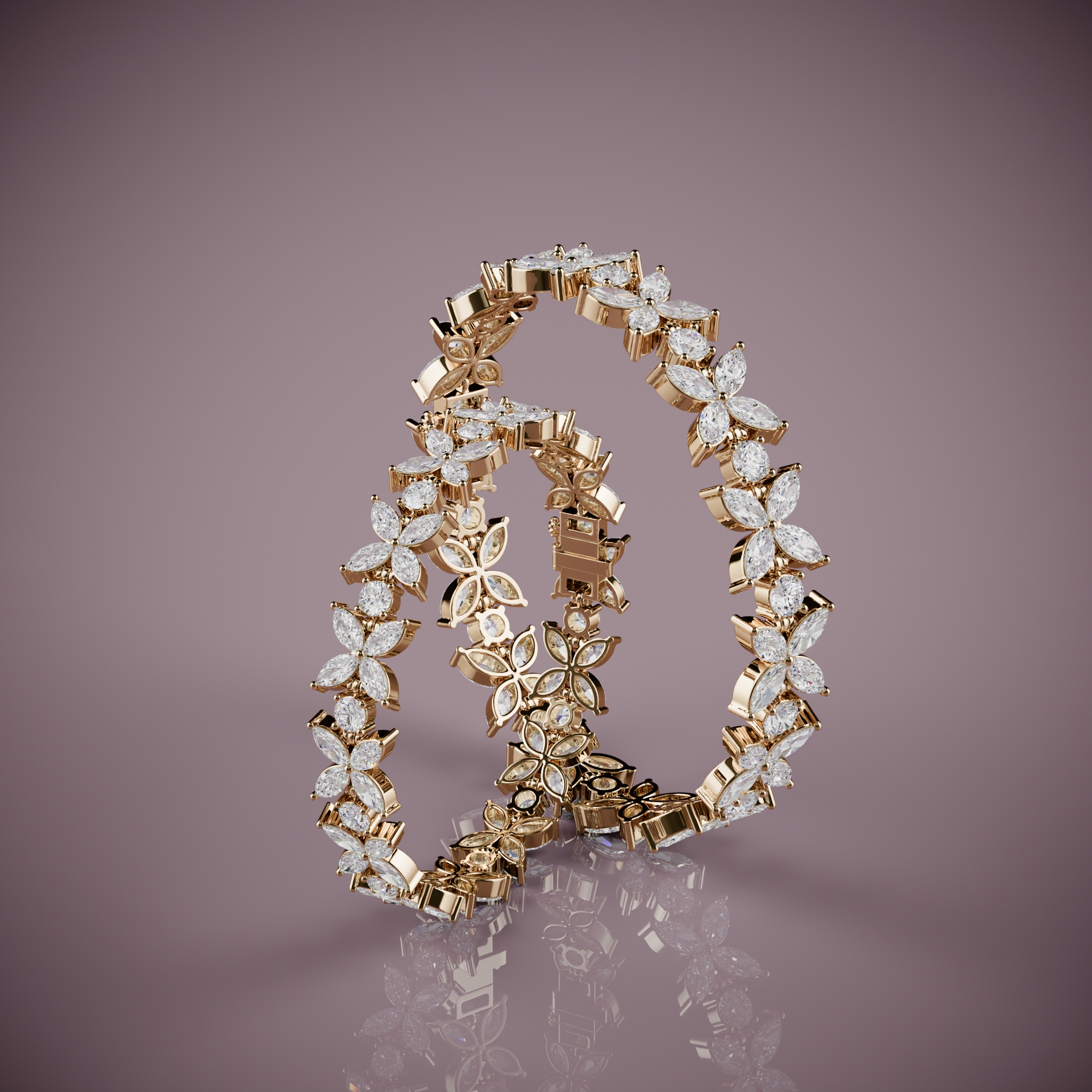
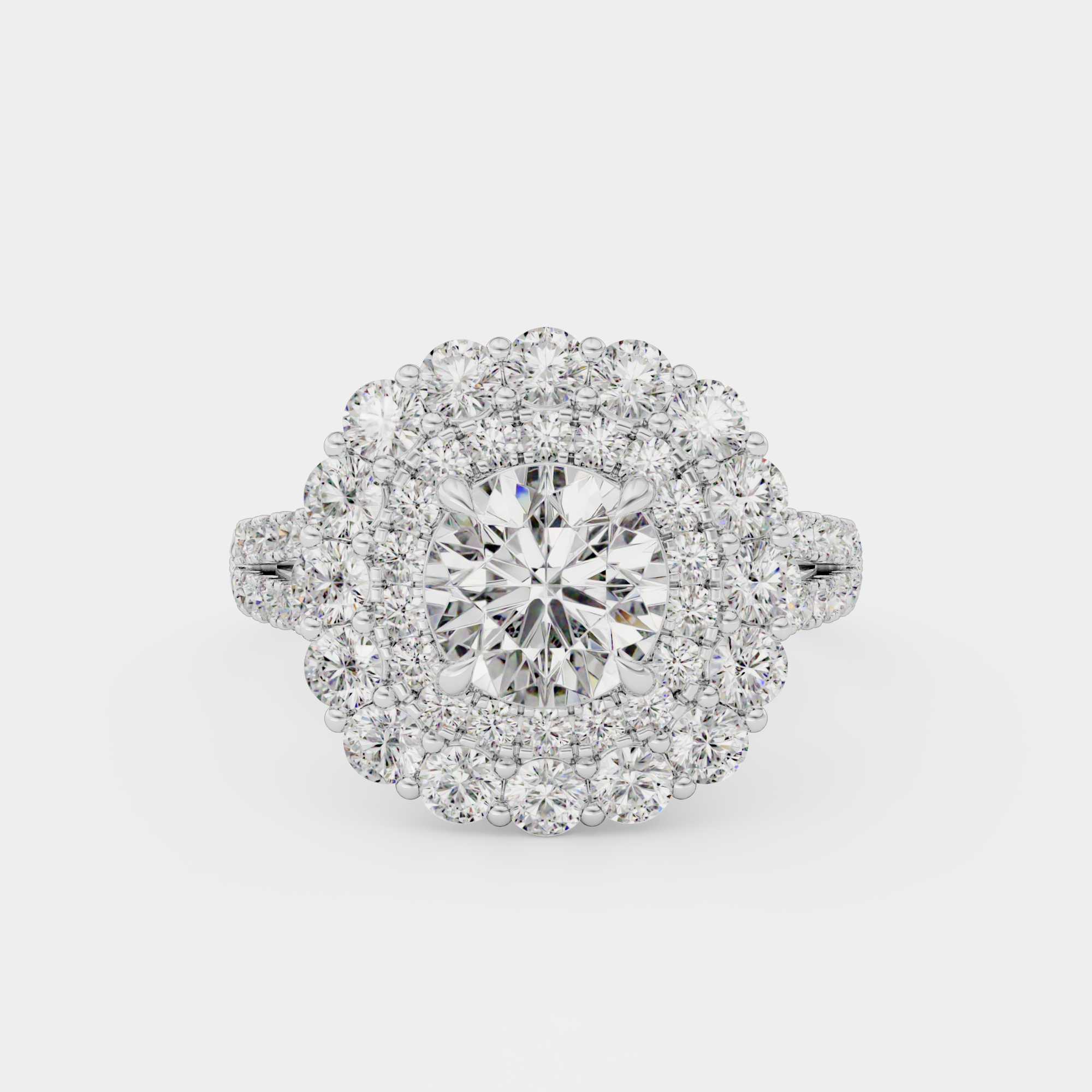
Ask for the quote against the stone count, not against the piece. A plain solitaire and a 240-stone pave cuff can look like comparable drawings on paper and are nothing alike to build. Heavy pave adds 20 to 40 percent to what a piece costs to render, and modeling responds to stone count for the same reason: every stone needs a seat, and someone places each one.
Ask whether a file already exists before you commission a new one. Brands routinely pay to have a piece modeled that their caster or their last CAD supplier already has sitting on a drive. Ask before you buy. The design is yours, and so, usually, is the file.
If the render is what closes the commission before anything is cast, rendering for jewelry designers is the page for that case.
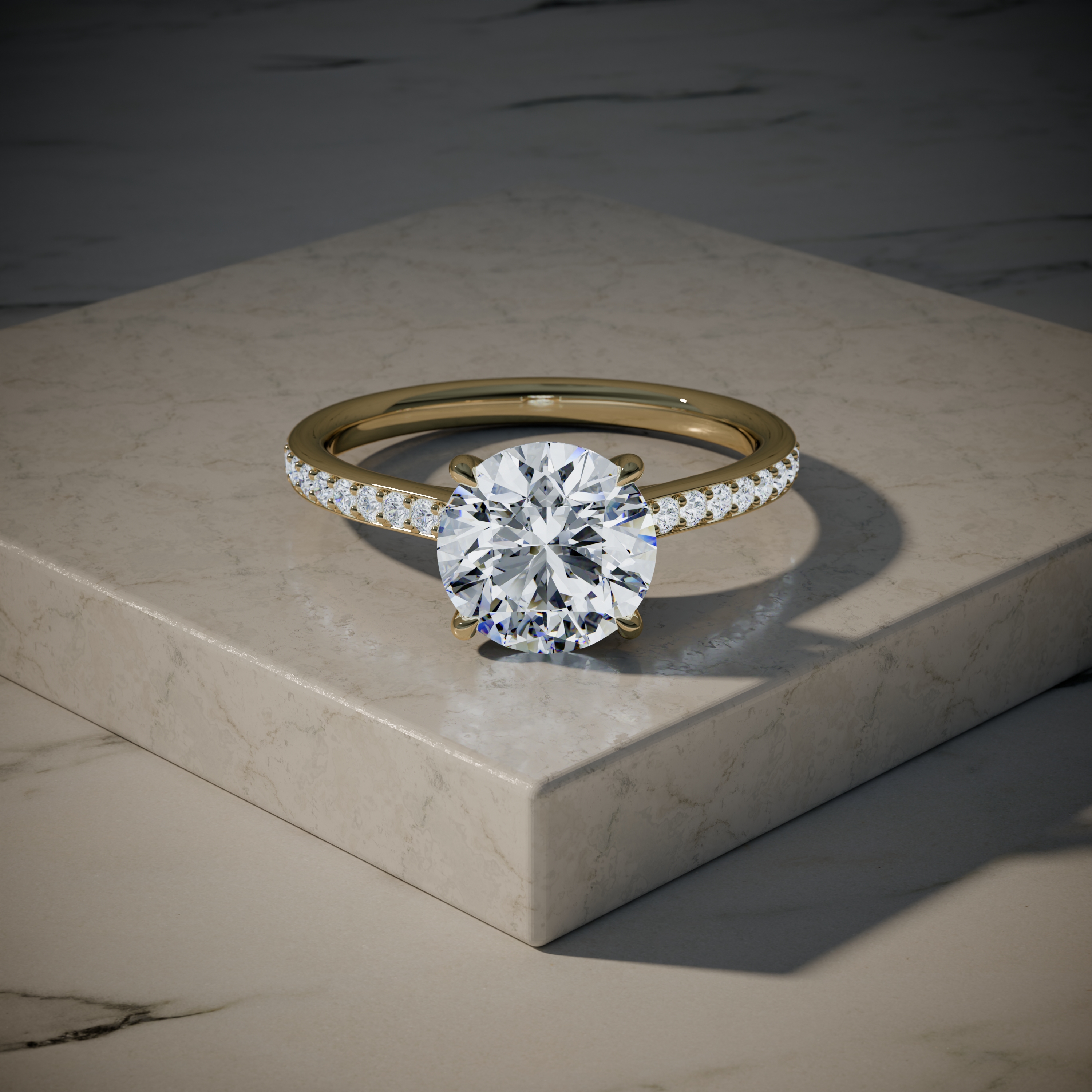
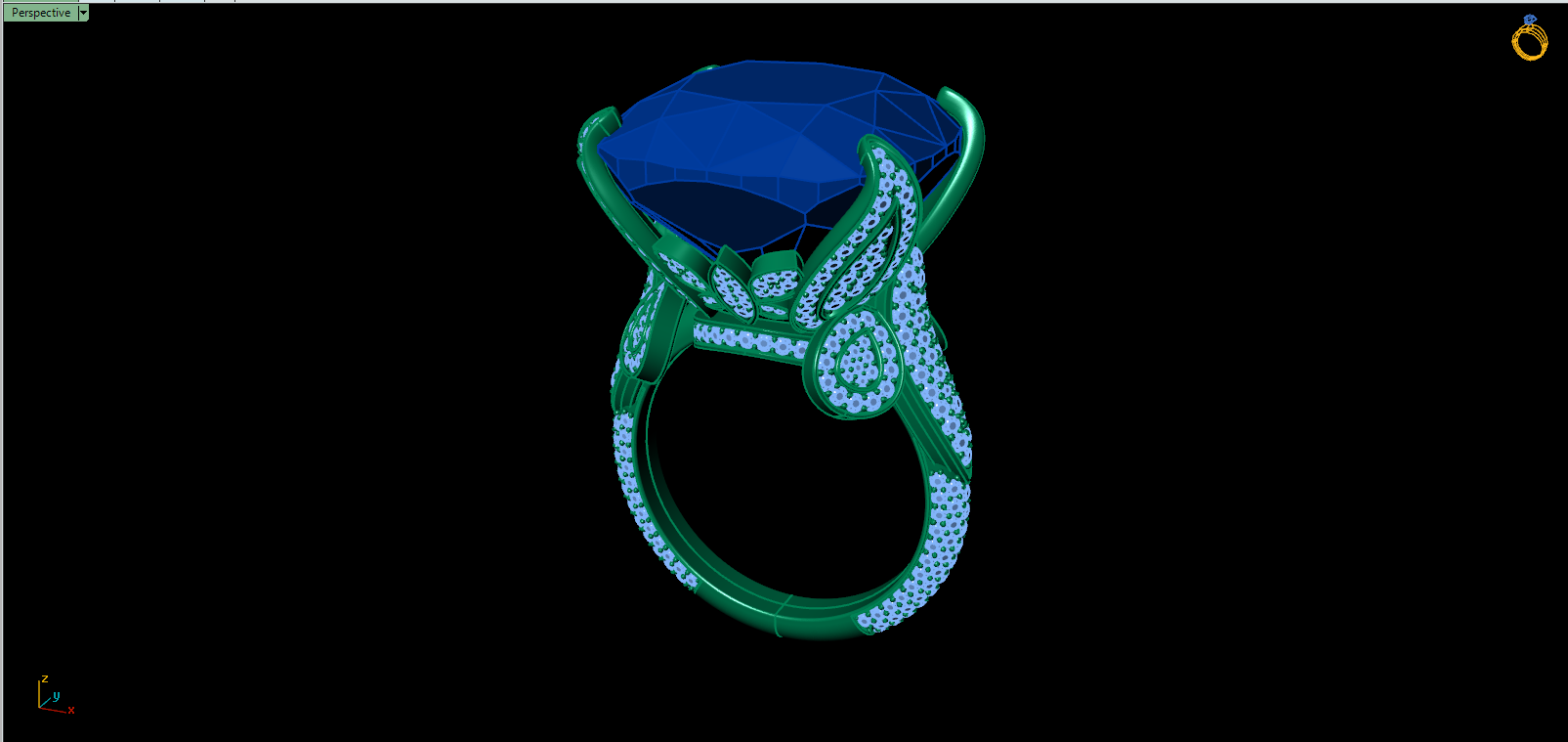
Every one of those stones is a seat someone placed. That is what a stone count means on a modeling quote.
The piece that already exists is where we usually say no
If you can put the piece on a table, the case for modeling it collapses.
Nine years and more than 12,000 renders in, this is the recommendation we make against ourselves most often. Modeling an existing piece from photographs is billable hours that a camera does not charge, and the result is an approximation of a piece anyone could otherwise photograph directly.
Estate and one-off pieces. No CAD file exists and none is coming. Modeling one purely so it can be rendered usually costs more than shooting it.
Hand engraving and hammered texture. Both can be modeled and rendered. Capturing their exact character takes modeling time a camera gets for free, because the camera is not approximating the surface. It is recording it.
Anything worn. Rendering human skin convincingly costs more than photographing a human. For on-body and campaign images, book a photographer. That one is not close.
There is a third route we do not sell. Scanning gives you geometry from a physical piece without anyone modeling it by hand, and Artec 3D publishes accuracy figures down to 0.005 mm on its jewelry scanners. It earns its setup cost across a catalog of existing pieces rather than across one ring, which is its honest limit. We mention it because it is the option a modeling shop has no reason to raise.
For the wider version of that trade-off, how rendering compares with photography goes through it properly.
What to ask before you pay for modeling
For most brands the CAD modeling vs rendering decision is settled by three questions.
- Does a file already exist? Ask your manufacturer, your caster, and whoever last did CAD work for you, before you pay anyone to rebuild it.
- Is the quote written against the stone count? A quote that prices a pave cuff like a solitaire will be revised later, and not in your favor.
- Does the piece already exist in metal? If it does, price a photographer before you price a modeler.
Then send one file and look at what comes back. We render one CAD file at full quality as a free sample render, with no payment details asked, which is the only test that tells you anything. Ask the same of whoever else you are considering. A studio confident in its output will render one piece to prove it.
Curious how this works in practice? See the process, browse the portfolio, check pricing, or see every service we run.
.png)