
Normal Map
Also called bump map, normal texture
A normal map is a texture that fakes small surface relief by changing the direction a surface appears to face, without adding any real geometry. Light reacts as though the bumps are there, so fine detail costs almost nothing in render time.
How the trick works
Every point on a surface has a direction it faces, called its normal, and that direction decides how light bounces off it. A normal map stores a different direction per pixel, usually as an odd-looking purple and blue image.
The renderer reads that map and lights the surface as if it were bumpy. The geometry stays perfectly flat, so nothing is added to the mesh, but the surface reads as textured.
The limit is the silhouette. Because there is no real relief, the outline of the object stays smooth. At a steep angle or a close crop, faked bumps flatten out and give themselves away.
Using it on jewelry
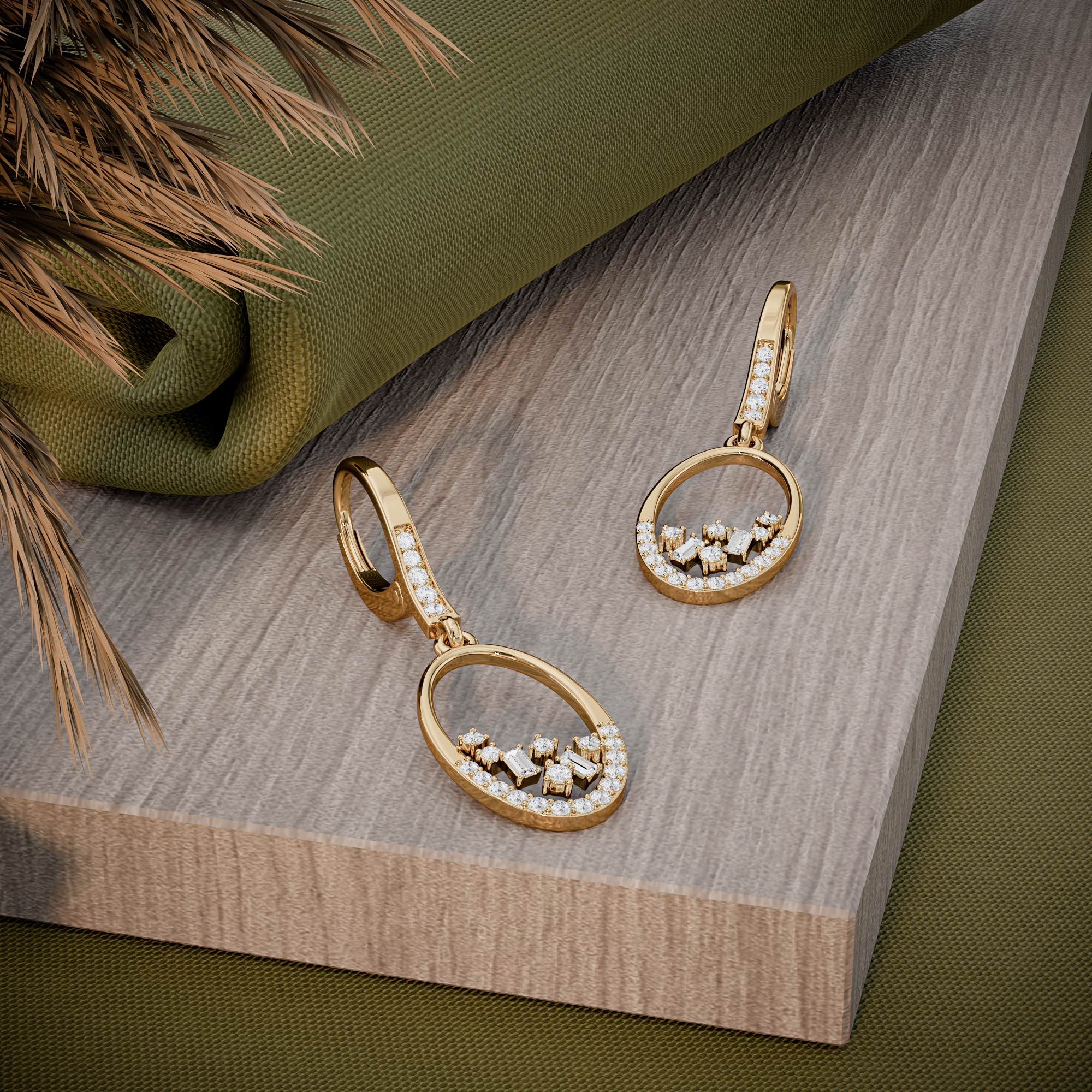
It suits shallow, repeating surface texture: hammered finishes, sandblasting, brushed grain, fine leather or fabric on a box or a display prop.
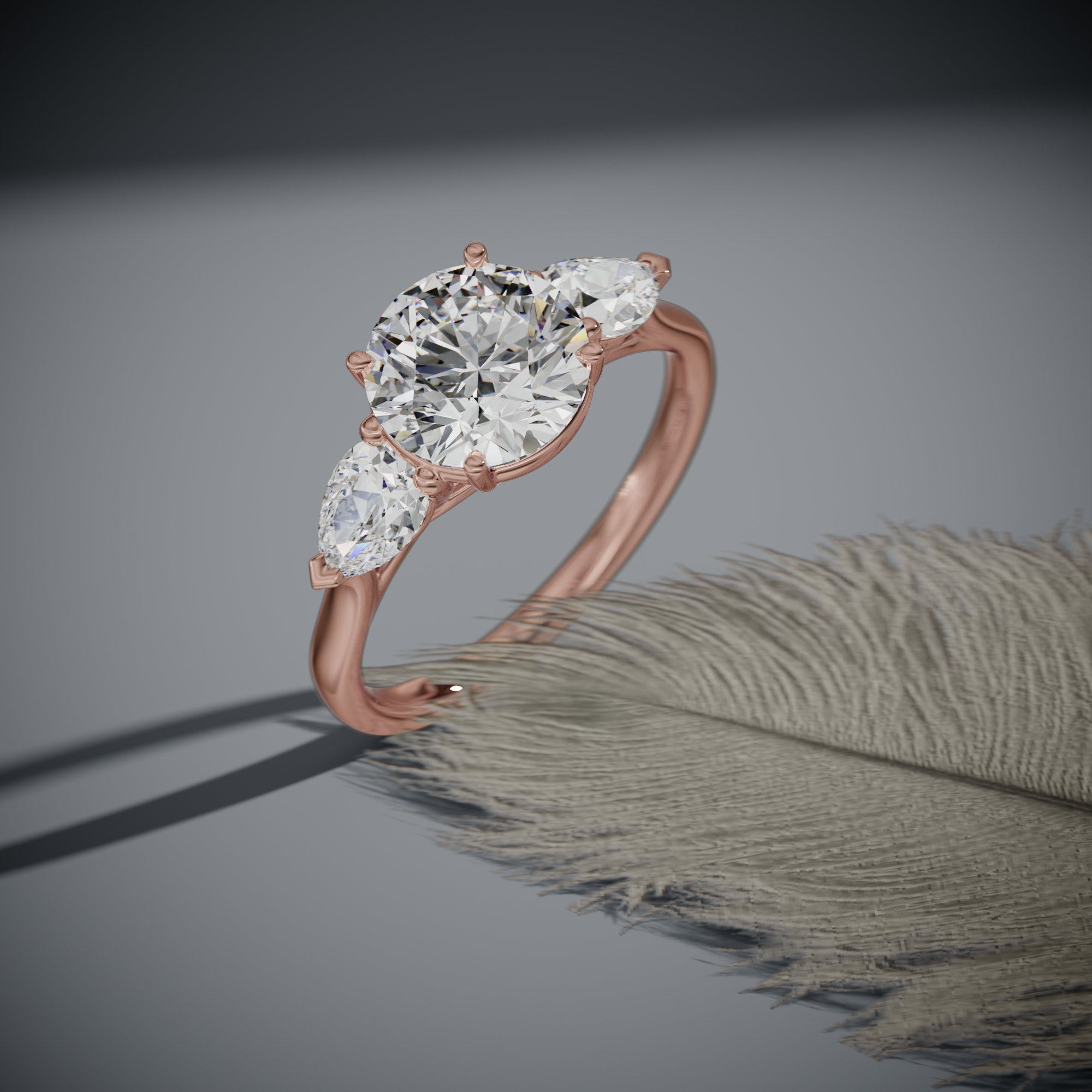
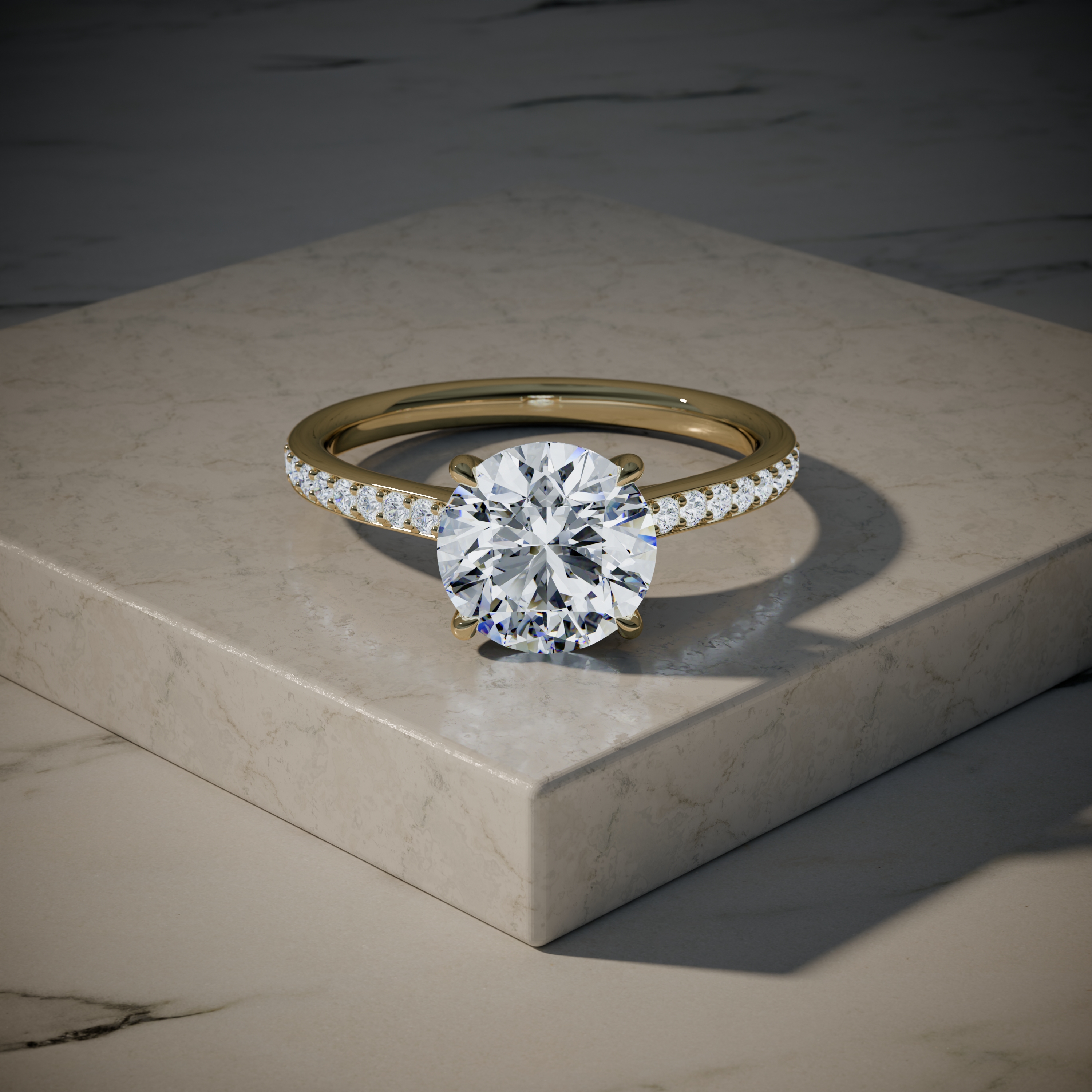
It does not suit anything that must hold up in a close crop or break the outline. Milgrain beading, engraving, and prong tips need real geometry, because product photography of jewelry lives in close-ups and a faked bead falls apart there.
If a detail matters to the sale, model it. If it is background texture, a normal map does the job faster.
Questions about Normal Map
What is the difference between a normal map and real geometry?
A normal map only changes how light hits a flat surface. Real geometry changes the shape itself, so it holds up in close-ups and shows in the outline of the piece.
Should milgrain be a normal map or modelled?
Modelled. Milgrain sits on edges, and edges are where a normal map fails. Faked beading looks flat at the close crops jewelry listings rely on.