

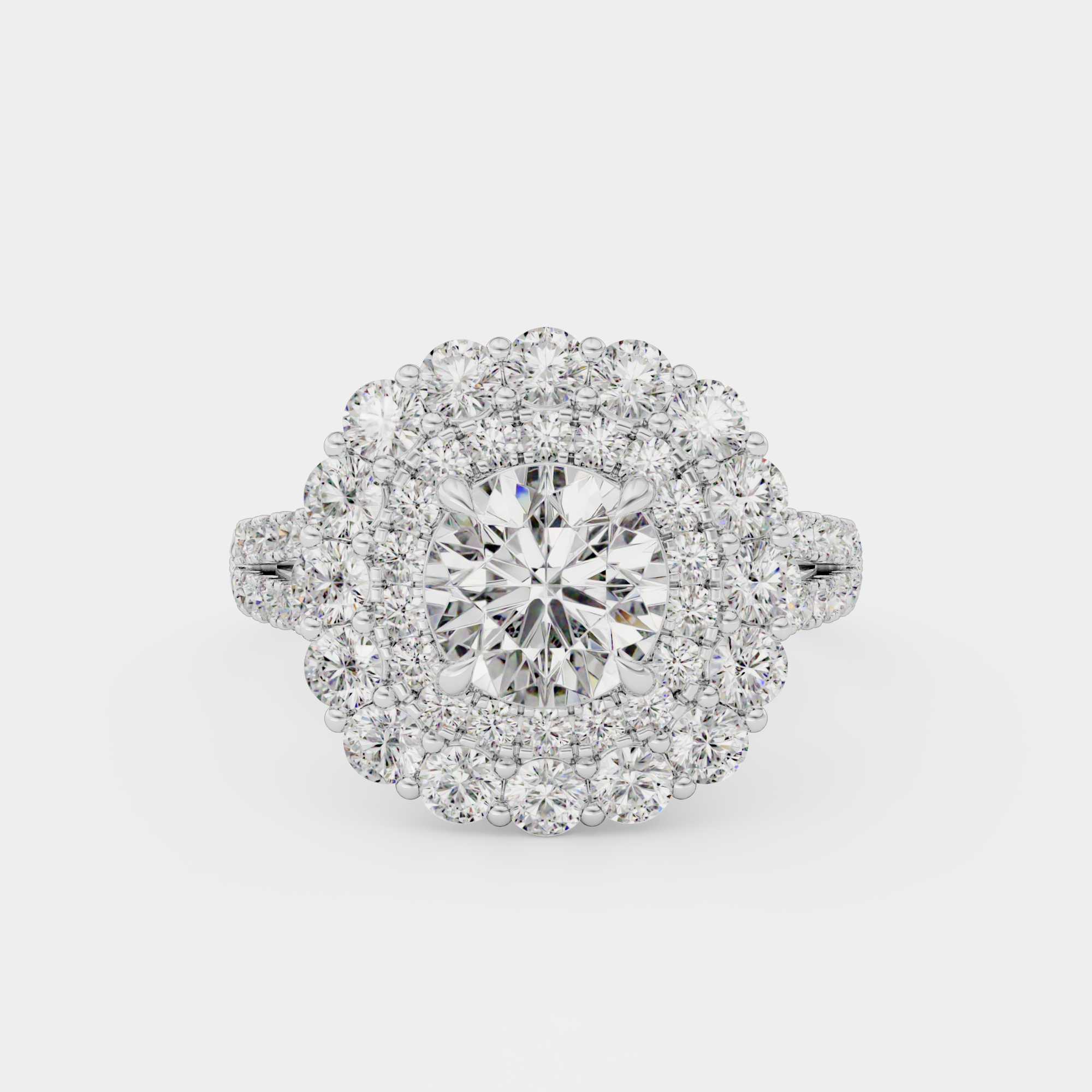

OBJ File
Also called .obj, wavefront obj
An OBJ file is a 3D mesh format that stores the shape of a design and can also carry basic colour, texture, and material assignments. It is more informative than an STL, which makes it a useful format to send a render studio.
In other words, it is a mesh file that can remember a bit about surfaces, not just the form, so parts of the piece can arrive already labelled.
What an OBJ carries
Like an STL, an OBJ stores geometry as a mesh, usually triangles or four-sided faces. Unlike an STL, it can also store UV coordinates, named groups, and a link to a companion MTL file that describes materials.
That MTL file is a separate document. If it is missing, the OBJ still opens, it just loses the material assignments and comes through as bare geometry.
- The .obj file itself, holding the mesh
- An optional .mtl file, holding material definitions
- Optional texture images the .mtl points at
Why it matters for rendering
Named groups are the real benefit. If your OBJ separates the shank, the head, the centre stone, and the pave, we can assign metal and stone materials straight to those parts instead of selecting them by hand.
That helps most on complicated pieces. A two-tone ring or a piece with three different stone types goes faster and lands closer on the first draft when the file already tells us which surface is which.
Send the MTL and any texture images with the OBJ. Zip the whole folder together so nothing arrives orphaned.
Questions about OBJ File
Is OBJ or STL better for jewelry rendering?
OBJ, in most cases. It can carry material names, groups, and texture data that STL cannot, so less has to be rebuilt by hand. Both are accepted.
Do I need to send the MTL file with my OBJ?
Yes, if you want the material assignments to survive. Without it the OBJ still opens, but arrives as plain untextured geometry.